راهنمای انتخاب روش مناسب برای راه اندازی موتور سه فاز با برق تک فاز

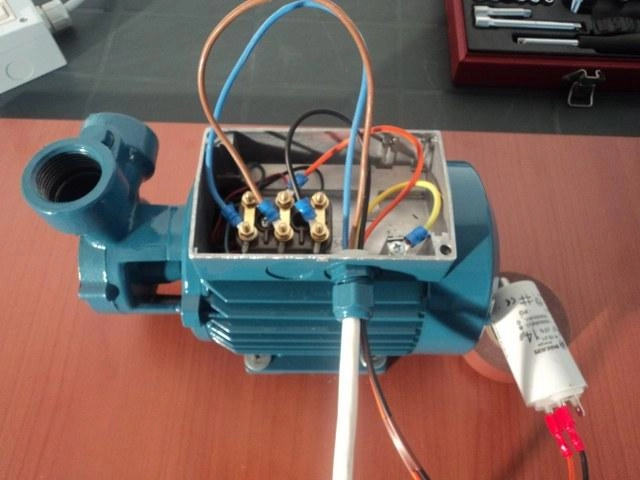
راه اندازی موتور سه فاز با برق تک فاز؛ خازن، درایو یا مبدل فاز؟
اگر یک موتور سه فاز در اختیار دارید اما در محل نصب فقط برق تک فاز ۲۲۰ یا ۲۳۰ ولت در دسترس است، در بسیاری از موارد میتوان موتور را بدون دسترسی مستقیم به شبکه سه فاز راه اندازی کرد. بااینحال، انتخاب روش مناسب به عواملی مانند ولتاژ درجشده روی پلاک موتور، نوع اتصال سیمپیچها، جریان نامی، توان موتور، نوع بار و شرایط کاری بستگی دارد.
برای راه اندازی موتور سه فاز با برق تک فاز، سه روش رایج وجود دارد:
- استفاده از خازن و اتصال Steinmetz
- استفاده از درایو فرکانس متغیر یا VFD که در بازار با نام اینورتر نیز شناخته میشود
- استفاده از مبدل فاز، بهویژه مبدل فاز دوار یا Rotary Phase Converter
در بسیاری از کاربردهایی که قرار است تنها یک موتور راه اندازی شود، استفاده از درایو گزینه کاملتری است؛ زیرا علاوه بر ایجاد خروجی سه فاز، امکان کنترل دور، استارت نرم، تغییر جهت و تنظیم پارامترهای موتور را نیز فراهم میکند.
روش خازنی هزینه اولیه کمتری دارد، اما معمولاً با کاهش توان و گشتاور همراه است و برای همه موتورها و همه انواع بار مناسب نیست. مبدل فاز دوار نیز بیشتر در کارگاههایی کاربرد دارد که چند موتور یا دستگاه سه فاز باید از یک منبع مشترک تغذیه شوند.
پیش از انتخاب هر یک از این روشها، باید ابتدا پلاک موتور بررسی شود؛ زیرا ولتاژ نامی سیمپیچ و نوع اتصال موتور مشخص میکنند چه روشی برای راه اندازی آن مناسب است.
نکته ایمنی: برق شهر، مدار قدرت و خازن موتور میتوانند باعث برقگرفتگی شدید، آتشسوزی یا آسیب به تجهیزات شوند. خازن نیز ممکن است حتی پس از قطع برق، انرژی الکتریکی در خود نگه دارد. اجرای سیمکشی، حفاظت و تست نهایی مدار باید توسط فرد متخصص انجام شود.
آیا میتوان موتور سه فاز را با برق تک فاز راه اندازی کرد؟
بله. در شرایط مناسب میتوان موتور سه فاز را با برق تک فاز راه اندازی کرد، اما اتصال مستقیم برق تک فاز به دو ترمینال یک موتور سه فاز، روش صحیحی برای بهرهبرداری عادی از موتور نیست.
موتور سه فاز برای ایجاد میدان مغناطیسی دوار مناسب، به سه جریان با اختلاف فاز نیاز دارد. زمانی که تنها برق تک فاز در دسترس است، باید این شرایط با استفاده از خازن، درایو یا مبدل فاز ایجاد شود.
در روش خازنی، خازن باعث ایجاد اختلاف فاز در بخشی از مدار موتور میشود. این اختلاف فاز کاملاً مشابه برق سه فاز متعادل نیست؛ بنابراین موتور معمولاً نمیتواند همان توان و گشتاوری را تولید کند که در شرایط سه فاز واقعی در اختیار دارد.
در روش استفاده از درایو، برق تک فاز ابتدا در داخل دستگاه به DC تبدیل میشود و سپس مدار اینورتر داخلی، خروجی سه فاز با ولتاژ و فرکانس قابل کنترل ایجاد میکند.
در مبدل فاز دوار نیز با استفاده از یک ماشین الکتریکی دوار، فاز سوم ایجاد میشود تا امکان تغذیه تجهیزات سه فاز فراهم شود.
قبل از راه اندازی موتور، پلاک آن را بررسی کنید
مهمترین مرحله پیش از انتخاب روش راه اندازی، خواندن صحیح پلاک موتور است.
روی بسیاری از موتورهای سه فاز عباراتی مانند موارد زیر دیده میشود:
۲۳۰/۴۰۰ ولت Δ/Y
یا:
۲۲۰/۳۸۰ ولت Δ/Y
یا:
۴۰۰/۶۹۰ ولت Δ/Y
این اعداد نشان میدهند سیمپیچ موتور برای چه ولتاژی طراحی شده و در هر سطح ولتاژ باید بهصورت مثلث یا ستاره متصل شود.
برای مثال، در موتوری با پلاک:
۲۳۰/۴۰۰ ولت Δ/Y
اتصال موتور بهصورت زیر است:
- در ولتاژ ۲۳۰ ولت: اتصال مثلث یا Delta
- در ولتاژ ۴۰۰ ولت: اتصال ستاره یا Star
بنابراین اگر یک درایو با ورودی تک فاز ۲۳۰ ولت، خروجی سه فاز ۲۳۰ ولت ایجاد کند، یک موتور ۲۳۰/۴۰۰ ولت معمولاً باید مطابق اطلاعات پلاک در حالت مثلث قرار گیرد.
موتور ۲۳۰/۴۰۰ ولت برای برق تک فاز مناسب است؟
در بسیاری از موارد بله.
اگر موتور دارای پلاک:
۲۳۰/۴۰۰ ولت Δ/Y
باشد، سیمپیچهای آن برای کار با ۲۳۰ ولت در حالت مثلث طراحی شدهاند.
در این شرایط میتوان از یک درایو مناسب با مشخصات زیر استفاده کرد:
ورودی: تک فاز ۲۲۰ تا ۲۴۰ ولت
خروجی: سه فاز ۲۲۰ تا ۲۴۰ ولت
در این حالت، موتور مطابق پلاک در اتصال مثلث قرار میگیرد.
همین موضوع درباره بسیاری از موتورهای دارای پلاک ۲۲۰/۳۸۰ ولت Δ/Y نیز صدق میکند.
اگر موتور ۴۰۰/۶۹۰ ولت باشد چه؟
شرایط موتورهای ۴۰۰/۶۹۰ ولت متفاوت است.
در این نوع موتور، سیمپیچ برای کار در حالت مثلث به حدود ۴۰۰ ولت سه فاز نیاز دارد.
یک درایو معمولی کلاس ۲۲۰ یا ۲۳۰ ولت که از برق تک فاز تغذیه میشود، معمولاً خروجی سه فاز در همان محدوده ۲۲۰ یا ۲۳۰ ولت ایجاد میکند. بنابراین چنین درایوی نمیتواند ولتاژ نامی موردنیاز یک موتور ۴۰۰/۶۹۰ ولت را تأمین کند.
برخی تجهیزات خاص ممکن است قابلیت افزایش ولتاژ داشته باشند، اما این ویژگی باید بهطور مشخص در اطلاعات فنی همان دستگاه ذکر شده باشد.
بنابراین صرفاً دیدن عبارت «درایو تک فاز به سه فاز» برای انتخاب دستگاه کافی نیست. ولتاژ خروجی درایو باید با ولتاژ موردنیاز سیمپیچ موتور مطابقت داشته باشد.
انتخاب سریع روش مناسب
| شرایط کاری | روش مناسبتر |
|---|---|
| یک موتور ۲۳۰/۴۰۰ ولت دارید و عملکرد مناسب اهمیت دارد | درایو |
| به کنترل دور موتور نیاز دارید | درایو |
| استارت نرم و توقف کنترلشده نیاز دارید | درایو |
| موتور کوچک و بار سبک است و هزینه اولویت دارد | روش خازنی |
| بار هنگام استارت گشتاور زیادی میخواهد | درایو متناسب با بار |
| چند موتور یا ماشین سه فاز دارید | مبدل فاز دوار یا راهکار مرکزی |
| موتور ۴۰۰/۶۹۰ ولت دارید و برق ورودی ۲۳۰ ولت است | ابتدا باید راهکار تأمین ولتاژ مناسب بررسی شود |
| دستگاه علاوه بر موتور، تجهیزات سه فاز دیگری دارد | کل سیستم برق دستگاه باید بررسی شود |
روش اول: راه اندازی موتور سه فاز با برق تک فاز با خازن
یکی از سادهترین روشهای راه اندازی موتور سه فاز با برق تک فاز، استفاده از خازن در اتصال معروف به Steinmetz است.
در این روش، خازن با ایجاد اختلاف فاز در یکی از مسیرهای تغذیه موتور، امکان تشکیل میدان مغناطیسی دوار را فراهم میکند.
بااینحال، میدان ایجادشده در این روش کاملاً متقارن نیست و با شرایطی که موتور مستقیماً از شبکه سه فاز تغذیه میشود تفاوت دارد.
به همین دلیل، موتور در روش خازنی معمولاً توان و گشتاور کمتری نسبت به حالت سه فاز واقعی در اختیار خواهد داشت.
مزایای راه اندازی موتور سه فاز با خازن
روش خازنی به دلیل ساختار نسبتاً ساده و هزینه پایین، در برخی کاربردها گزینه مناسبی است.
مهمترین مزایای آن عبارتاند از:
- هزینه اولیه پایین
- مدار سادهتر نسبت به درایو
- مناسب برای برخی موتورهای کوچک
- عدم نیاز به تنظیمات الکترونیکی پیچیده
- امکان تغییر جهت چرخش با تغییر آرایش مدار
بااینحال، این روش بیشتر برای کاربردهایی مناسب است که کاهش توان و گشتاور موتور قابل قبول باشد.
معایب راه اندازی موتور سه فاز با خازن
مهمترین محدودیت روش خازنی، کاهش توان قابل استفاده موتور است.
در بسیاری از کاربردهای Steinmetz، توان قابل استفاده موتور میتواند به حدود دو سوم توان آن در شرایط سه فاز برسد. این مقدار ثابت نیست و به نوع موتور، ظرفیت خازن، بار مکانیکی و شرایط بهرهبرداری بستگی دارد.
گشتاور راه اندازی نیز در این روش کاهش پیدا میکند.
بنابراین روش خازنی برای بارهایی که از همان لحظه شروع حرکت به گشتاور زیادی نیاز دارند، معمولاً انتخاب مناسبی نیست.
برای مثال، برخی فنها یا پمپهایی که هنگام استارت بار نسبتاً سبکی دارند، شرایط مناسبتری برای استفاده از خازن دارند.
در مقابل، کمپرسور تحت فشار، بالابر یا ماشینی که در لحظه شروع به گشتاور زیادی نیاز دارد، میتواند برای روش خازنی نامناسب باشد.
محاسبه خازن برای راه اندازی موتور سه فاز با برق تک فاز
یکی از مهمترین مراحل در روش Steinmetz، انتخاب ظرفیت مناسب خازن است.
برای شبکه حدود ۲۳۰ ولت و فرکانس ۵۰ هرتز، یک رابطه تجربی رایج برای تخمین اولیه ظرفیت خازن دائمکار به شکل زیر است:
C ≈ 70 × P
در این رابطه:
- C ظرفیت تقریبی خازن بر حسب میکروفاراد است.
- P توان نامی موتور بر حسب کیلووات است.
برای مثال، اگر توان موتور ۱ کیلووات باشد، ظرفیت اولیه خازن تقریباً ۷۰ میکروفاراد در نظر گرفته میشود.
این رابطه یک مقدار تقریبی برای شروع انتخاب است و نباید بدون بررسی شرایط واقعی موتور بهعنوان مقدار قطعی در نظر گرفته شود.
جدول تقریبی خازن موتور سه فاز با برق تک فاز
| توان موتور | ظرفیت تقریبی اولیه خازن |
|---|---|
| ۰.۱۸ کیلووات | حدود ۱۳ µF |
| ۰.۳۷ کیلووات | حدود ۲۶ µF |
| ۰.۵۵ کیلووات | حدود ۳۹ µF |
| ۰.۷۵ کیلووات | حدود ۵۳ µF |
| ۱.۱ کیلووات | حدود ۷۷ µF |
| ۱.۵ کیلووات | حدود ۱۰۵ µF |
| ۲.۲ کیلووات | حدود ۱۵۴ µF |
برای مثال، در یک موتور ۱.۱ کیلووات:
C ≈ 70 × 1.1
بنابراین ظرفیت اولیه حدود:
۷۷ میکروفاراد
خواهد بود.
پس از انتخاب اولیه، جریان موتور، دمای سیمپیچ و عملکرد آن در بار واقعی باید بررسی شوند.
چرا مقدار خازن در منابع مختلف متفاوت است؟
ممکن است هنگام جستوجوی ظرفیت خازن موتور با اعداد متفاوتی روبهرو شوید.
این اختلاف دلایل مختلفی دارد.
بعضی جداول مربوط به موتورهای تک فاز خازنی هستند، درحالیکه برخی دیگر برای موتور سه فازی ارائه شدهاند که با اتصال Steinmetz از برق تک فاز تغذیه میشود.
علاوه بر این، ولتاژ شبکه، فرکانس، توان موتور، طراحی سیمپیچ و نوع بار نیز بر ظرفیت مناسب خازن تأثیر دارند.
بنابراین استفاده از یک عدد ثابت برای همه موتورها روش دقیقی نیست.
چه نوع خازنی برای موتور سه فاز مناسب است؟
خازنی که در زمان کار موتور دائماً در مدار باقی میماند باید از نوع خازن دائمکار موتور یا Motor Run Capacitor باشد.
خازن دائمکار با خازن استارت متفاوت است.
خازن استارت برای مدت کوتاهی در مدار قرار میگیرد و نباید بدون طراحی مناسب بهطور دائم در مدار باقی بماند.
علاوه بر ظرفیت خازن، ولتاژ نامی آن نیز اهمیت دارد.
در بسیاری از کاربردهای ۲۳۰ ولت از خازنهای دائمکار با ولتاژ نامی ۴۰۰ یا ۴۵۰ ولت AC استفاده میشود، اما انتخاب نهایی باید بر اساس شرایط واقعی مدار و مشخصات سازنده انجام شود.
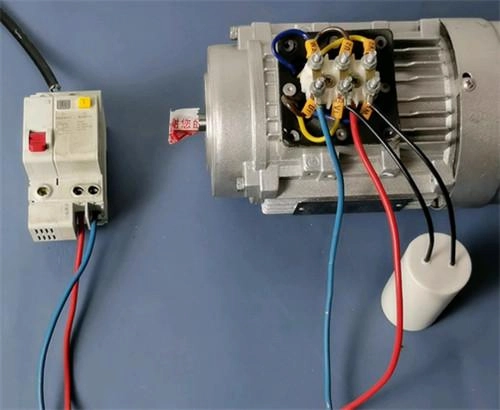
راه اندازی موتور سه فاز با برق تک فاز با دو خازن
در برخی مدارهای خازنی از دو خازن استفاده میشود:
- خازن دائمکار
- خازن استارت
خازن دائمکار در طول فعالیت موتور در مدار باقی میماند.
خازن استارت فقط در لحظه شروع حرکت وارد مدار میشود تا گشتاور بیشتری برای راه اندازی ایجاد کند.
پس از رسیدن موتور به سرعت مناسب، خازن استارت باید توسط مدار مناسب از مدار خارج شود.
باقی ماندن خازن استارت در مدار برای مدت طولانی میتواند باعث افزایش دما و خرابی آن شود.
اگر موتور برای شروع حرکت به گشتاور زیادی نیاز دارد، بهتر است پیش از طراحی یک مدار خازنی پیچیده، استفاده از درایو نیز بررسی شود.
آیا روش خازنی برای موتورهای ۲ یا ۳ کیلووات مناسب است؟
برای روش خازنی نمیتوان یک مرز توان ثابت برای همه موتورها تعیین کرد.
با افزایش توان موتور، جریان ورودی تک فاز، ظرفیت موردنیاز خازن، تنش حرارتی و محدودیتهای مربوط به گشتاور راه اندازی نیز افزایش پیدا میکنند.
به همین دلیل، روش Steinmetz معمولاً در موتورهای کوچک و بارهای سبک کاربرد مناسبتری دارد.
اینکه موتور با خازن شروع به چرخش کند، بهتنهایی به معنی مناسب بودن سیستم برای کار دائم نیست.
جریان موتور، دمای سیمپیچ و عملکرد آن در بیشترین بار کاری باید بررسی شوند.
روش دوم: راه اندازی موتور سه فاز با درایو
در بسیاری از کاربردها، استفاده از درایو یکی از بهترین روشها برای راه اندازی موتور سه فاز با برق تک فاز است.
درایو فرکانس متغیر یا VFD که در بازار ایران معمولاً با نام اینورتر نیز شناخته میشود، ابتدا برق AC ورودی را به DC تبدیل میکند. سپس مدار قدرت دستگاه، خروجی سه فاز با ولتاژ و فرکانس کنترلشده ایجاد میکند.
این روش علاوه بر راه اندازی موتور، امکانات دیگری نیز در اختیار کاربر قرار میدهد:
- کنترل دور موتور
- تنظیم زمان شتابگیری
- تنظیم زمان کاهش سرعت
- تغییر جهت چرخش
- محدود کردن جریان
- استارت نرم
- توقف کنترلشده
- اعمال برخی حفاظتهای الکتریکی موتور و درایو
به همین دلیل، درایو در بسیاری از کاربردهای صنعتی نسبت به روش خازنی عملکرد قابلکنترلتر و کاملتری دارد.
آیا هر درایوی با برق تک فاز کار میکند؟
خیر.
در مشخصات فنی درایو باید بهطور مشخص ذکر شده باشد که دستگاه قابلیت کار با ورودی تک فاز را دارد.
برای مثال، مشخصات یک درایو مناسب ممکن است بهصورت زیر باشد:
ورودی: تک فاز ۲۲۰ تا ۲۴۰ ولت
خروجی: سه فاز ۲۲۰ تا ۲۴۰ ولت
صرف اینکه یک دستگاه خروجی سه فاز دارد، به این معنی نیست که ورودی آن نیز میتواند تک فاز باشد.
برخی درایوها فقط برای ورودی سه فاز طراحی شدهاند و استفاده از برق تک فاز در آنها ممکن است مجاز نباشد یا نیاز به کاهش ظرفیت دستگاه داشته باشد.
آیا درایو ۲۲۰ ولت تک فاز، خروجی ۳۸۰ ولت سه فاز میدهد؟
در حالت معمول، خیر.
بیشتر درایوهای کلاس ۲۲۰ یا ۲۳۰ ولت که با برق تک فاز کار میکنند، خروجی سه فاز در همان محدوده ولتاژ تولید میکنند.
به بیان ساده:
ورودی: تک فاز ۲۲۰ ولت
خروجی: سه فاز حدود ۲۲۰ ولت
این حالت با تبدیل ۲۲۰ ولت تک فاز به ۳۸۰ ولت سه فاز تفاوت دارد.
برخی درایوها یا مبدلهای خاص ممکن است دارای مدار افزایش ولتاژ باشند و خروجی ۳۸۰ یا ۴۰۰ ولت ایجاد کنند، اما این قابلیت باید بهطور مشخص در دیتاشیت دستگاه ذکر شده باشد.
بنابراین هنگام خرید درایو، باید علاوه بر تعداد فاز ورودی و خروجی، مقدار ولتاژ خروجی نیز بررسی شود.
انتخاب درایو تک فاز به سه فاز برای موتور سه فاز
برای انتخاب درایو، نباید فقط توان موتور را با توان درجشده روی درایو مقایسه کرد.
چند پارامتر اصلی باید همزمان بررسی شوند.
ولتاژ ورودی درایو
درایو باید برای برق موجود در محل طراحی شده باشد.
برای مثال:
ورودی: تک فاز ۲۳۰ ولت
ولتاژ خروجی درایو
ولتاژ خروجی باید با ولتاژ موردنیاز موتور در نوع اتصال انتخابشده سازگار باشد.
برای یک موتور:
۲۳۰/۴۰۰ ولت Δ/Y
خروجی سه فاز ۲۳۰ ولت در کنار اتصال مثلث، معمولاً ترکیب مناسبی خواهد بود.
جریان نامی موتور
جریان خروجی نامی درایو باید نیاز موتور را پوشش دهد.
به همین دلیل، انتخاب درایو صرفاً بر اساس تطابق عدد توان صحیح نیست.
دو موتور با توان یکسان میتوانند جریان نامی و شرایط کاری متفاوتی داشته باشند.
نوع بار
نوع بار مکانیکی در انتخاب درایو اهمیت زیادی دارد.
فن، پمپ، نوار نقاله، کمپرسور، بالابر و اسپیندل از نظر گشتاور موردنیاز در لحظه استارت و هنگام کار شرایط یکسانی ندارند.
برای بارهای سنگین باید ظرفیت اضافهبار درایو و نوع کنترل موتور نیز بررسی شوند.
آیا میتوان درایو سه فاز ورودی را با برق تک فاز استفاده کرد؟
تنها در صورتی که سازنده این کار را مجاز بداند.
برخی درایوهایی که برای ورودی سه فاز طراحی شدهاند ممکن است در شرایط خاص با برق تک فاز نیز کار کنند، اما معمولاً باید ظرفیت آنها کاهش داده شود یا یک سایز بزرگتر انتخاب شود.
علت این موضوع افزایش فشار روی بخش یکسوساز و باس DC دستگاه است.
بنابراین اتصال برق تک فاز به دو ترمینال ورودی یک درایو سه فاز، بدون بررسی دفترچه فنی دستگاه، روش قابل اعتمادی نیست.
چه پارامترهایی باید در درایو تنظیم شوند؟
پس از انتخاب درایو مناسب، لازم است مشخصات اصلی موتور مطابق اطلاعات درجشده روی پلاک، در تنظیمات درایو وارد شوند.
مهمترین پارامترها معمولاً عبارتاند از:
- ولتاژ نامی موتور
- جریان نامی موتور
- فرکانس نامی
- توان موتور
- سرعت نامی
- زمان شتابگیری
- زمان کاهش سرعت
- حداقل فرکانس
- حداکثر فرکانس
تنظیم صحیح این پارامترها به عملکرد بهتر موتور و حفاظت مناسبتر از آن کمک میکند.
برای مثال، افزایش فرکانس یک موتور ۵۰ هرتز به مقدار بالاتر، بدون بررسی محدودیتهای موتور و تجهیز مکانیکی متصل به آن، میتواند باعث آسیب شود.
حداکثر دور مجاز روتور، وضعیت بلبرینگها، سیستم خنککاری و محدودیتهای ماشین متصل به موتور نیز باید در نظر گرفته شوند.
خروجی درایو را بهعنوان برق سه فاز عمومی استفاده نکنید
یکی از اشتباهات رایج این است که خروجی درایو به ورودی برق کل یک دستگاه سه فاز متصل شود.
خروجی درایو در درجه اول برای تغذیه موتور طراحی شده است.
اگر یک دستگاه شامل تجهیزاتی مانند موارد زیر باشد:
- ترانس کنترل
- رله
- کنتاکتور
- المنت
- چراغ
- منبع تغذیه
- مدار الکترونیکی
نباید بدون بررسی تخصصی، همه این تجهیزات از خروجی درایو تغذیه شوند.
اگر هدف، راه اندازی یک ماشین کامل سه فاز با برق تک فاز است، باید سیستم برق کل دستگاه بررسی شود، نه فقط موتور.
روش سوم: مبدل فاز دوار یا RPC
Rotary Phase Converter یا RPC یکی دیگر از روشهای تبدیل برق تک فاز به شرایط مناسب برای تجهیزات سه فاز است.
در این سیستم معمولاً از یک ماشین القایی دوار بهعنوان بخش اصلی تولید فاز سوم استفاده میشود.
مبدل فاز دوار بیشتر در کارگاههایی کاربرد دارد که چند موتور یا ماشین سه فاز وجود دارد و استفاده از یک درایو جداگانه برای هر موتور مقرونبهصرفه یا عملی نیست.
مزیت اصلی RPC این است که میتواند یک منبع سه فاز مشترک برای چند مصرفکننده ایجاد کند.
بااینحال، کیفیت ولتاژ و میزان بالانس فازها به طراحی مبدل، ظرفیت آن و مقدار بار بستگی دارد.
درایو بهتر است یا RPC؟
اگر تنها یک موتور دارید، درایو در بسیاری از موارد انتخاب کاملتری است؛ زیرا علاوه بر ایجاد خروجی سه فاز، قابلیت کنترل سرعت، استارت نرم و تغییر جهت موتور را نیز فراهم میکند.
اگر یک کارگاه دارای چند دستگاه سه فاز است و چند موتور باید از یک منبع مشترک استفاده کنند، RPC میتواند گزینه مناسبتری باشد.
در دستگاههای CNC، تجهیزات دارای مدارهای الکترونیکی حساس یا ماشینهایی که چند نوع بار سه فاز دارند، باید کیفیت برق خروجی و معماری الکتریکی دستگاه با دقت بیشتری بررسی شود.
مقایسه خازن، درایو و مبدل فاز
| ویژگی | خازن Steinmetz | درایو | RPC |
|---|---|---|---|
| هزینه اولیه | کم | متوسط | متوسط تا زیاد |
| کیفیت تغذیه موتور | نامتعادلتر | کنترلشده | وابسته به طراحی |
| کنترل دور | ندارد | دارد | ندارد |
| استارت نرم | محدود | دارد | معمولاً مانند درایو نیست |
| کاهش توان موتور | محسوس | در انتخاب صحیح بسیار کمتر | معمولاً کمتر از روش خازنی |
| مناسب بار سنگین در استارت | محدود | مناسب با انتخاب صحیح | وابسته به ظرفیت |
| مناسب چند موتور | خیر | معمولاً برای هر موتور بهصورت مستقل | بله |
| تغییر جهت | با مدار مناسب | ساده | با مدار قدرت |
| حفاظت الکترونیکی | نیازمند تجهیزات جداگانه | بخشی در داخل درایو | نیازمند حفاظت جداگانه |
بهترین روش راه اندازی موتور سه فاز با برق تک فاز کدام است؟
بهترین روش برای همه موتورها یکسان نیست.
اگر موتور دارای پلاک ۲۲۰/۳۸۰ یا ۲۳۰/۴۰۰ ولت است، کارکرد دائم دارد و مواردی مانند کنترل سرعت، استارت نرم و عملکرد پایدار اهمیت دارند، استفاده از درایو تک فاز به سه فاز معمولاً انتخاب مناسبی است.
اگر موتور کوچک است، بار اولیه سبک است و کاهش توان مشکلی ایجاد نمیکند، روش خازنی میتواند گزینه اقتصادیتری باشد.
اگر چند دستگاه یا موتور سه فاز باید از یک منبع مشترک تغذیه شوند، مبدل فاز دوار یا یک سیستم مرکزی تأمین برق سه فاز میتواند منطقیتر باشد.
در هر حالت، ابتدا باید ولتاژ نامی سیمپیچ، نوع اتصال و جریان موتور مشخص شود. سپس میتوان تجهیزی را انتخاب کرد که خروجی آن با مشخصات واقعی موتور سازگار باشد.
راه اندازی موتور سه فاز با برق تک فاز بدون خازن
اگر منظور از راه اندازی بدون خازن، حذف مدار خازنی خارجی باشد، استفاده از درایو رایجترین راهکار است.
درایو برق تک فاز را دریافت کرده و خروجی سه فاز موردنیاز موتور را ایجاد میکند.
البته در ساختار داخلی درایو از خازن و سایر قطعات الکترونیکی استفاده میشود، اما کاربر نیازی به طراحی و تنظیم خازن خارجی برای موتور ندارد.
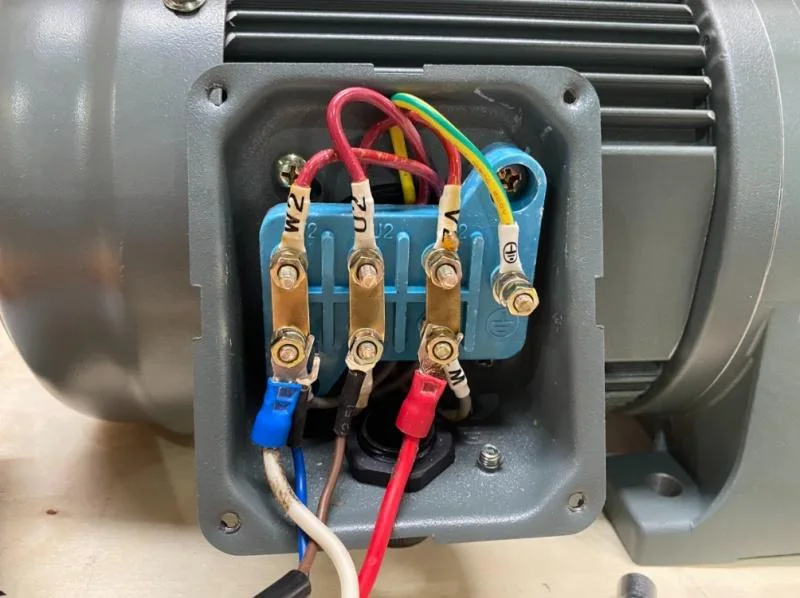
آیا موتور سه فاز ۳۸۰ ولت با برق تک فاز کار میکند؟
پاسخ این سؤال به اطلاعات کامل پلاک موتور بستگی دارد.
اگر پلاک موتور به شکل زیر باشد:
۲۲۰/۳۸۰ ولت Δ/Y
یا:
۲۳۰/۴۰۰ ولت Δ/Y
موتور برای کار در ولتاژ پایینتر میتواند در حالت مثلث قرار گیرد. بنابراین در بسیاری از موارد امکان استفاده از درایو تک فاز به سه فاز ۲۲۰ یا ۲۳۰ ولت وجود دارد.
اما اگر پلاک موتور:
۴۰۰/۶۹۰ ولت Δ/Y
باشد، موتور برای کار در حالت مثلث به حدود ۴۰۰ ولت نیاز دارد و یک درایو معمولی ۲۳۰ ولت نمیتواند شرایط نامی موتور را تأمین کند.
به همین دلیل، عبارت «موتور ۳۸۰ ولت» بهتنهایی اطلاعات کافی برای انتخاب درایو یا روش راه اندازی در اختیار نمیگذارد.
اگر موتور فقط سه سیم داشته باشد چه باید کرد؟
بسیاری از موتورهای سه فاز استاندارد دارای شش ترمینال هستند و امکان تغییر اتصال ستاره و مثلث در جعبه ترمینال آنها وجود دارد.
در برخی موتورها فقط سه سر سیم در دسترس است و نقطه ستاره یا اتصال سیمپیچها در داخل موتور بسته شده است.
در این شرایط نمیتوان تنها با جابهجایی جامپرها، اتصال موتور را تغییر داد.
ابتدا باید مشخص شود سیمپیچ داخلی موتور چگونه متصل شده و برای چه ولتاژی طراحی شده است.
اگر تغییر سربندی داخلی لازم باشد، این کار باید توسط تعمیرکار متخصص الکتروموتور انجام شود.
تغییر جهت موتور سه فاز با برق تک فاز چگونه انجام میشود؟
روش تغییر جهت موتور به نحوه تغذیه آن بستگی دارد.
در صورت استفاده از درایو، معمولاً فرمان Forward و Reverse برای تغییر جهت چرخش در دسترس است.
در تغذیه سه فاز معمولی، جابهجا کردن دو فاز باعث تغییر جهت چرخش میشود.
در اتصال Steinmetz نیز با تغییر آرایش شاخه خازنی میتوان جهت میدان و در نتیجه جهت گردش موتور را تغییر داد.
هرگونه تغییر سیمبندی باید پس از قطع کامل برق انجام شود.
چرا موتور سه فاز با خازن وزوز میکند اما راه نمیافتد؟
اگر موتور صدا تولید میکند اما محور آن نمیچرخد، نباید برای مدت طولانی در همین وضعیت روشن بماند.
این حالت میتواند باعث افزایش شدید جریان و داغ شدن سریع سیمپیچ شود.
مهمترین دلایل احتمالی عبارتاند از:
- ظرفیت نامناسب خازن
- خرابی خازن
- اشتباه در سربندی
- ناسازگاری ولتاژ موتور با اتصال انتخابشده
- بار مکانیکی زیاد هنگام استارت
- گیر کردن محور
- افت ولتاژ شبکه
- خرابی سیمپیچ
- نامناسب بودن روش خازنی برای نوع بار
موتوری که در حالت توقف جریان زیادی میکشد، میتواند در مدت کوتاهی آسیب ببیند.
چرا موتور پس از تبدیل سه فاز به تک فاز داغ میشود؟
افزایش غیرعادی دمای موتور یکی از نشانههایی است که باید جدی گرفته شود.
در روش خازنی، چند عامل میتوانند باعث داغ شدن موتور شوند.
ظرفیت خازن بیش از حد زیاد است
خازن بزرگتر از مقدار مناسب میتواند جریان یکی از شاخههای موتور را افزایش دهد و باعث بالا رفتن دما شود.
ظرفیت خازن کمتر از مقدار مناسب است
در این شرایط میدان ایجادشده ممکن است برای بار موتور کافی نباشد و موتور برای تولید گشتاور موردنیاز، در شرایط نامناسبتری کار کند.
بار موتور بیش از توان قابل استفاده است
موتوری که در شرایط سه فاز توان مشخصی دارد، در اتصال Steinmetz معمولاً نمیتواند همان توان مکانیکی را ارائه دهد.
اگر بار کاهش پیدا نکند، احتمال افزایش دمای موتور وجود دارد.
سربندی موتور اشتباه است
اگر اتصال موتور با ولتاژ اعمالشده سازگار نباشد، جریان و دمای موتور میتوانند از محدوده مجاز خارج شوند.
در سیستم دارای درایو نیز تنظیم نادرست جریان، ولتاژ، فرکانس پایه یا کار طولانی در دور پایین میتواند باعث افزایش دمای موتور شود.
آیا استفاده از درایو باعث کاهش توان موتور میشود؟
اگر موتور و درایو بهدرستی انتخاب شوند و موتور در محدوده ولتاژ و فرکانس طراحیشده خود کار کند، کاهش توان مانند روش Steinmetz وجود نخواهد داشت.
بااینحال، درایو نمیتواند محدودیت ولتاژ موتور را از بین ببرد.
برای مثال، اگر موتور برای تولید گشتاور نامی در اتصال موردنظر به ۴۰۰ ولت نیاز داشته باشد اما تنها ۲۳۰ ولت دریافت کند، نمیتوان انتظار عملکرد نامی داشت.
همچنین در سرعتهای بالاتر از فرکانس پایه، زمانی که دیگر امکان افزایش متناسب ولتاژ وجود ندارد، موتور وارد محدوده تضعیف میدان یا Field Weakening میشود و توانایی تولید گشتاور آن کاهش پیدا میکند.
آیا درایو جریان راه اندازی موتور را کاهش میدهد؟
یکی از مزایای مهم درایو، امکان راه اندازی تدریجی موتور است.
در راه اندازی مستقیم، موتور القایی میتواند در لحظه استارت چند برابر جریان نامی خود جریان بکشد.
درایو با افزایش کنترلشده فرکانس و ولتاژ، موتور را بهتدریج به سرعت موردنظر میرساند.
این موضوع میتواند علاوه بر کاهش جریان راه اندازی، تنش مکانیکی واردشده به موتور و دستگاه را نیز کاهش دهد.
بااینحال، درایو باید همچنان متناسب با جریان موتور و ظرفیت اضافهبار موردنیاز انتخاب شود.
حفاظت موتور را جدی بگیرید
راه اندازی موتور سه فاز با برق تک فاز فقط به روشن شدن موتور محدود نمیشود.
یک سیستم اصولی باید حفاظتهای مناسب نیز داشته باشد.
موارد مهم عبارتاند از:
- حفاظت اتصال کوتاه
- حفاظت اضافهبار
- اتصال زمین یا ارت مناسب
- کلید و قطعکننده مناسب
- کابل با سطح مقطع صحیح
- تهویه مناسب درایو
- حفاظت حرارتی در صورت نیاز
- رعایت مشخصات سازنده برای طول و نوع کابل موتور
در سیستم دارای درایو، جریان ورودی دستگاه لزوماً با جریان خروجی موتور یکسان نیست.
بنابراین فیوز، بریکر و کابل ورودی باید بر اساس اطلاعات فنی همان مدل درایو انتخاب شوند.
مثال اول: موتور ۰.۷۵ کیلووات با پلاک ۲۳۰/۴۰۰ ولت
فرض کنید موتور دارای مشخصات زیر است:
- توان: ۰.۷۵ کیلووات
- فرکانس: ۵۰ هرتز
- ولتاژ: ۲۳۰/۴۰۰ ولت Δ/Y
راه اندازی با درایو
درایوی باید انتخاب شود که:
- ورودی تک فاز ۲۳۰ ولت را پشتیبانی کند.
- خروجی سه فاز ۲۳۰ ولت داشته باشد.
- جریان خروجی آن برای جریان نامی موتور مناسب باشد.
موتور مطابق پلاک در حالت مثلث قرار میگیرد.
برای کار دائم، کنترل دور و استارت نرم، این روش معمولاً گزینه مناسبتری است.
راه اندازی با خازن
برای تخمین اولیه ظرفیت خازن:
C ≈ 70 × 0.75
بنابراین:
C ≈ 52.5 µF
در نتیجه میتوان ظرفیت حدود ۵۰ تا ۵۵ میکروفاراد را بهعنوان مقدار اولیه در نظر گرفت.
سپس جریان و دمای موتور باید در شرایط واقعی بار بررسی شوند.
مثال دوم: موتور ۱.۵ کیلووات با پلاک ۴۰۰/۶۹۰ ولت
فرض کنید موتور دارای پلاک:
۴۰۰/۶۹۰ ولت Δ/Y
است.
در این موتور، سیمپیچ برای کار در حالت مثلث به حدود ۴۰۰ ولت سه فاز نیاز دارد.
اگر درایوی دارای مشخصات زیر باشد:
ورودی: تک فاز ۲۳۰ ولت
خروجی: سه فاز ۲۳۰ ولت
این دستگاه نمیتواند ولتاژ لازم برای عملکرد نامی موتور را فراهم کند.
در چنین شرایطی باید از راهکاری استفاده شود که واقعاً ولتاژ موردنیاز موتور را تأمین کند.
۷ اشتباه رایج در راه اندازی موتور سه فاز با برق تک فاز
۱. انتخاب خازن فقط بر اساس توان موتور
توان موتور تنها یکی از پارامترهای انتخاب خازن است. ولتاژ، فرکانس، نوع بار و جریان موتور نیز اهمیت دارند.
۲. استفاده از هر خازنی با ظرفیت مشابه
خازن استارت و خازن دائمکار برای شرایط متفاوتی طراحی شدهاند و نمیتوان آنها را بدون توجه به نوع کاربرد جایگزین یکدیگر کرد.
۳. اتصال همه موتورهای سه فاز بهصورت مثلث
نوع اتصال باید بر اساس اطلاعات پلاک و ولتاژ تغذیه تعیین شود.
۴. تصور اینکه هر درایو ۲۲۰ ولت، خروجی ۳۸۰ ولت ایجاد میکند
در درایوهای معمولی چنین تبدیلی انجام نمیشود، مگر اینکه قابلیت افزایش ولتاژ بهطور مشخص در اطلاعات فنی دستگاه ذکر شده باشد.
۵. انتخاب درایو فقط بر اساس کیلووات
جریان نامی موتور، نوع بار و ظرفیت اضافهبار درایو نیز باید بررسی شوند.
۶. استفاده از خروجی درایو برای تغذیه کل دستگاه
خروجی درایو معمولاً برای تغذیه موتور طراحی شده است و نباید بدون بررسی فنی، برق تجهیزات دیگر دستگاه از آن تأمین شود.
۷. ادامه کار موتور با صدای غیرعادی یا دمای بالا
گرمای بیش از حد، صدای غیرطبیعی یا افزایش جریان میتوانند نشانه سربندی اشتباه، بار زیاد یا انتخاب نادرست خازن و درایو باشند.
سوالات متداول درباره راه اندازی موتور سه فاز با برق تک فاز
آیا موتور سه فاز با برق خانگی کار میکند؟
بله. در صورت سازگاری مشخصات موتور میتوان از درایو تک فاز به سه فاز، اتصال خازنی یا مبدل فاز استفاده کرد.
ارزانترین روش راه اندازی موتور سه فاز با برق تک فاز چیست؟
در بسیاری از کاربردها، روش خازنی هزینه اولیه کمتری دارد. بااینحال، کاهش توان و گشتاور موتور باید در انتخاب این روش در نظر گرفته شود.
بهترین روش راه اندازی موتور سه فاز با برق ۲۲۰ ولت چیست؟
برای یک موتور ۲۲۰/۳۸۰ یا ۲۳۰/۴۰۰ ولت که عملکرد مناسب، کنترل دور یا استارت نرم اهمیت دارد، استفاده از درایو دارای ورودی تک فاز و خروجی سه فاز ۲۲۰ یا ۲۳۰ ولت معمولاً گزینه مناسبتری است.
برای موتور یک اسب چه خازنی لازم است؟
یک اسب بخار تقریباً معادل ۰.۷۵ کیلووات است.
با استفاده از رابطه تجربی حدود ۷۰ میکروفاراد به ازای هر کیلووات، ظرفیت اولیه تقریباً ۵۲ میکروفاراد به دست میآید.
این مقدار تقریبی است و باید در شرایط واقعی موتور بررسی شود.
آیا میتوان موتور ۳ اسب را با برق تک فاز راه اندازی کرد؟
در بسیاری از موارد بله.
برای چنین موتوری میتوان از درایو تک فاز به سه فاز مناسب استفاده کرد، به شرط آنکه ولتاژ خروجی، جریان نامی و ظرفیت اضافهبار درایو با موتور و نوع بار سازگار باشند.
آیا خازن سرعت موتور را کم میکند؟
سرعت موتور القایی عمدتاً به فرکانس تغذیه و تعداد قطبهای موتور بستگی دارد.
بااینحال، در روش خازنی به دلیل کاهش گشتاور و افزایش Slip در بار، سرعت واقعی موتور ممکن است نسبت به حالت تغذیه سه فاز کمی بیشتر افت کند.
خازن ابزار مناسبی برای کنترل دور موتور نیست.
برای کنترل دور موتور سه فاز با برق تک فاز چه روشی مناسب است؟
استفاده از درایو مناسبترین روش متداول است؛ زیرا سرعت موتور را با کنترل فرکانس و ولتاژ تنظیم میکند.
آیا میتوان خروجی درایو را با کنتاکتور قطع و وصل کرد؟
روش صحیح به طراحی سیستم و دستورالعمل سازنده درایو بستگی دارد.
در بسیاری از کاربردها بهتر است فرمان Start و Stop از طریق ورودیهای کنترلی خود درایو انجام شود و خروجی درایو در حال کار بهطور مکرر توسط کنتاکتور قطع و وصل نشود.
آیا میتوان فرکانس موتور را بیشتر از ۵۰ هرتز تنظیم کرد؟
بسیاری از درایوها امکان ایجاد فرکانس بیشتر از ۵۰ هرتز را دارند، اما مجاز بودن این کار به مشخصات موتور و دستگاه متصل به آن بستگی دارد.
حداکثر دور مکانیکی موتور، یاتاقانها، سیستم خنککاری و محدودیتهای ماشین باید بررسی شوند.
آیا راه اندازی موتور سه فاز با برق تک فاز بدون خازن امکانپذیر است؟
بله. استفاده از درایو تک فاز به سه فاز یکی از رایجترین روشهای راه اندازی موتور سه فاز بدون مدار خازنی خارجی است.
آیا میتوان موتور سه فاز ۳۸۰ ولت را مستقیماً با برق ۲۲۰ ولت راه اندازی کرد؟
پاسخ به مشخصات کامل پلاک موتور بستگی دارد.
اگر موتور ۲۲۰/۳۸۰ یا ۲۳۰/۴۰۰ ولت باشد، معمولاً امکان کار در ولتاژ پایینتر با اتصال مثلث وجود دارد.
اما یک موتور ۴۰۰/۶۹۰ ولت برای عملکرد نامی به ولتاژ بالاتری نیاز دارد و شرایط آن متفاوت است.
جمعبندی
راه اندازی موتور سه فاز با برق تک فاز امکانپذیر است، اما انتخاب روش مناسب باید بر اساس مشخصات واقعی موتور و شرایط کاری انجام شود.
برای موتورهای ۲۲۰/۳۸۰ یا ۲۳۰/۴۰۰ ولت، استفاده از درایو تک فاز به سه فاز در بسیاری از کاربردها راهکار مناسبی است؛ بهخصوص زمانی که کنترل دور، استارت نرم و عملکرد پایدار اهمیت دارند.
در موتورهای کوچک با بار سبک، روش خازنی میتواند انتخاب اقتصادیتری باشد، اما کاهش توان و گشتاور موتور در این روش باید در نظر گرفته شود.
در کارگاههایی که چند موتور یا دستگاه سه فاز وجود دارد، مبدل فاز دوار یا سایر روشهای مرکزی تأمین برق سه فاز میتوانند گزینه مناسبتری باشند.
پیش از انتخاب خازن، درایو یا مبدل فاز، باید ولتاژ درجشده روی پلاک، نوع اتصال ستاره یا مثلث، جریان نامی و نوع بار موتور بررسی شوند. زمانی که مشخصات منبع تغذیه و تجهیز تبدیل با مشخصات واقعی موتور هماهنگ باشند، موتور میتواند با عملکرد مطمئنتر، دمای مناسبتر و گشتاور قابل پیشبینیتری کار کند.
How to Run a Three-Phase Motor on Single-Phase Power
If you have a three-phase motor but only 220 or 230 V single-phase power is available at the installation site, you can often operate the motor without a direct three-phase supply.
However, there is no single solution that works for every motor. The correct method depends on several factors, including the voltage shown on the motor nameplate, the winding configuration, rated current, motor power, load type, and operating conditions.
There are three common ways to run a three-phase motor on single-phase power:
- Using a capacitor with a Steinmetz connection
- Using a single-phase to three-phase inverter or motor drive
- Using a rotary phase converter
For applications involving only one motor, an inverter is often the most practical and flexible option. A suitable variable frequency drive, or VFD, converts the incoming single-phase supply into a controlled three-phase output. In addition to powering the motor, it can provide speed control, soft starting, controlled stopping, direction control, and motor parameter settings.
The capacitor method has a lower initial cost, but it normally reduces the motor’s available power and torque. It is also unsuitable for many high-torque loads.
A rotary phase converter is generally more useful in workshops where several three-phase motors or machines need to operate from a shared power source.
Before choosing any method, always check the motor nameplate. The rated winding voltage and Star/Delta configuration are critical when deciding how the motor should be powered.
Safety Notice: Mains electricity, motor power circuits, and capacitors can cause severe electric shock, fire, or equipment damage. A capacitor may retain a dangerous electrical charge even after the power supply has been disconnected. Wiring, protection devices, commissioning, and final testing should be handled by a qualified professional.
Can You Run a Three-Phase Motor on Single-Phase Power?
Yes. In many cases, a three-phase motor can run from a single-phase supply when a suitable conversion method is used.
However, simply connecting single-phase power to two terminals of a three-phase motor is not a correct method for normal operation.
A three-phase induction motor is designed to operate with three currents that are electrically displaced from one another. Together, these currents create the rotating magnetic field required to start and run the motor efficiently.
When only single-phase electricity is available, the missing phase relationship must be created artificially. This can be achieved with:
- A capacitor
- A single-phase to three-phase inverter
- A rotary phase converter
With a capacitor connection, the capacitor creates a phase shift in one section of the motor circuit. The resulting supply is not as balanced as a true three-phase supply, so the motor usually produces less power and torque.
With an inverter, the incoming single-phase AC supply is first converted internally to DC. The drive then generates a controlled three-phase AC output for the motor.
A rotary phase converter uses a rotating electrical machine to help create the additional phase required to operate three-phase equipment.
Check the Motor Nameplate First
Before attempting to run a three-phase motor from single-phase power, the first step is to read the motor nameplate carefully.
Three-phase motors commonly have voltage markings such as:
230/400 V Δ/Y
or:
220/380 V Δ/Y
or:
400/690 V Δ/Y
These values indicate the winding voltage and the required connection at each supply voltage.
For example, a motor marked:
230/400 V Δ/Y
is normally connected as follows:
- 230 V: Delta connection
- 400 V: Star connection
Therefore, if a single-phase to three-phase inverter accepts 230 V single-phase input and produces 230 V three-phase output, a 230/400 V motor would normally be connected in Delta.
This distinction is extremely important when selecting a drive.
Can a 230/400 V Three-Phase Motor Run on Single-Phase Power?
In many cases, yes.
A motor marked:
230/400 V Δ/Y
has windings designed to operate at approximately 230 V when connected in Delta.
A suitable inverter may therefore have specifications such as:
Input: 220–240 V single-phase
Output: 220–240 V three-phase
The motor is then connected in Delta according to the nameplate.
The same principle applies to many motors rated:
220/380 V Δ/Y
This is one of the most common situations in which a single-phase to three-phase drive can be used successfully.
What About a 400/690 V Three-Phase Motor?
A 400/690 V motor is different.
When connected in Delta, its windings require approximately 400 V three-phase power.
A standard 220 or 230 V class inverter supplied from single-phase mains will normally produce a three-phase output in approximately the same voltage range.
For example:
Input: 230 V single-phase
Output: approximately 230 V three-phase
This means a standard 230 V drive cannot provide the rated voltage required by a 400/690 V motor.
Some specialized inverters and converters include voltage-boosting circuitry and can generate a higher output voltage. However, this capability must be explicitly stated in the manufacturer’s technical documentation.
Therefore, the description “single-phase to three-phase inverter” alone is not enough to determine whether a drive is suitable.
You must also check its output voltage.
Quick Guide: Which Method Should You Choose?
| Application | Recommended Method |
|---|---|
| One 230/400 V three-phase motor | Inverter / drive |
| Motor speed control is required | Inverter |
| Soft start and controlled stop are required | Inverter |
| Small motor with a light starting load | Capacitor |
| Low initial cost is the main priority | Capacitor |
| High starting torque is required | Properly sized drive |
| Several three-phase motors or machines | Rotary phase converter |
| 400/690 V motor with only 230 V input available | A suitable voltage-conversion solution must be evaluated |
| Complete machine with motors and other three-phase loads | Evaluate the entire electrical system |
Method 1: Running a Three-Phase Motor on Single-Phase Power with a Capacitor
One of the simplest ways to run a three-phase motor from single-phase electricity is the Steinmetz connection.
In this arrangement, a capacitor is used to create a phase shift in one of the motor windings.
This phase shift helps produce a rotating magnetic field, allowing the motor to start and continue running.
However, the resulting electrical conditions are not equivalent to a balanced three-phase supply.
For this reason, a motor operating with a Steinmetz capacitor normally produces less usable power and lower torque than it would when connected to a proper three-phase source.
Advantages of Using a Capacitor
The capacitor method is attractive mainly because of its simplicity and relatively low cost.
Its main advantages include:
- Low initial cost
- Relatively simple circuit
- Suitable for some small motors
- No complicated electronic programming
- Rotation direction can be changed with an appropriate circuit arrangement
For light-duty applications, this method may be sufficient.
However, the reduction in motor output must always be taken into account.
Disadvantages of the Capacitor Method
The biggest disadvantage of using a capacitor is the reduction in usable motor power.
In many Steinmetz applications, the available motor output may be around two-thirds of the original three-phase rating.
This figure is only approximate. Actual performance depends on:
- Motor design
- Capacitor value
- Motor current
- Supply voltage
- Mechanical load
- Operating conditions
Starting torque is also reduced.
As a result, the capacitor method is usually unsuitable for machines that require significant torque during startup.
Applications with relatively light starting loads, such as some fans and pumps, are more likely to operate successfully.
By contrast, the capacitor method may not be suitable for:
- Compressors starting under pressure
- Hoists
- Lifting systems
- Heavily loaded conveyors
- Machines with high breakaway torque
How to Calculate the Capacitor for a Three-Phase Motor
Selecting the correct capacitor is one of the most important parts of a Steinmetz connection.
For a supply of approximately 230 V at 50 Hz, a commonly used empirical formula for estimating the initial run capacitor value is:
C ≈ 70 × P
where:
- C = approximate capacitance in microfarads (µF)
- P = motor power in kilowatts (kW)
For example, for a 1 kW motor:
C ≈ 70 × 1
Therefore:
C ≈ 70 µF
This is only an approximate starting value.
The final capacitor selection should be verified by checking motor current, operating temperature, torque, and performance under actual load conditions.
Approximate Capacitor Size Chart
| Motor Power | Approximate Run Capacitor |
|---|---|
| 0.18 kW | 13 µF |
| 0.37 kW | 26 µF |
| 0.55 kW | 39 µF |
| 0.75 kW | 53 µF |
| 1.1 kW | 77 µF |
| 1.5 kW | 105 µF |
| 2.2 kW | 154 µF |
For a 1.1 kW motor:
C ≈ 70 × 1.1
Therefore:
C ≈ 77 µF
A capacitor close to this value can be used as an initial reference, after which the motor should be tested under real operating conditions.
Why Do Different Sources Recommend Different Capacitor Sizes?
Capacitor recommendations can vary considerably between different tables and technical sources.
There are several reasons for this.
Some capacitor charts are intended for single-phase capacitor motors, while others specifically apply to three-phase motors running on a single-phase supply through a Steinmetz connection.
The correct capacitor size can also be affected by:
- Supply voltage
- Supply frequency
- Motor power
- Motor winding design
- Rated current
- Mechanical load
- Required starting torque
For this reason, one fixed capacitor value should not be applied to every motor.
What Type of Capacitor Should Be Used?
A capacitor that remains permanently connected while the motor is running should be a Motor Run Capacitor.
A motor run capacitor is different from a start capacitor.
A start capacitor is designed for short-duration operation and should not remain connected continuously unless the circuit is specifically designed for it.
The capacitor voltage rating is also important.
In many 230 V motor applications, run capacitors rated at 400 or 450 VAC are used.
However, the final selection should always take the actual circuit conditions and capacitor manufacturer’s specifications into account.
Running a Three-Phase Motor on Single-Phase Power
Running a Three-Phase Motor with Two Capacitors
Some single-phase capacitor arrangements use two separate capacitors:
- A run capacitor
- A start capacitor
The run capacitor remains connected during normal operation.
The start capacitor is temporarily connected during startup to increase starting torque.
Once the motor has reached a suitable speed, the start capacitor must be disconnected by an appropriate switching mechanism.
Leaving a start capacitor permanently connected can cause excessive heating and capacitor failure.
If the motor requires significant starting torque, it is often better to consider a properly sized inverter rather than designing a more complex capacitor-start system.
Is the Capacitor Method Suitable for 2 kW or 3 kW Motors?
There is no universal motor power limit for a Steinmetz connection.
However, as motor power increases, several practical problems become more significant:
- Higher single-phase input current
- Larger capacitor requirements
- Greater thermal stress
- Reduced starting performance
- Increased voltage drop
- Greater importance of phase imbalance
For these reasons, capacitor conversion is generally more practical for smaller motors with relatively light loads.
A motor starting successfully does not necessarily mean that the installation is suitable for continuous operation.
Motor current and temperature should always be checked at the highest expected load.
Method 2: Running a Three-Phase Motor with a Single-Phase to Three-Phase Inverter
For many applications, using an inverter is the most practical way to run a three-phase motor from a single-phase power supply.
The drive first converts incoming AC power to DC. Its internal inverter stage then generates a controlled three-phase AC output.
This allows the motor to operate with a much more controlled supply than a simple capacitor connection.
A suitable drive can also provide:
- Motor speed control
- Adjustable acceleration
- Adjustable deceleration
- Forward and reverse operation
- Current limiting
- Soft starting
- Controlled stopping
- Motor and drive protection functions
For many industrial and workshop applications, these features make an inverter a more versatile solution than a capacitor.
Can Every Inverter Run from Single-Phase Power?
No.
The technical specifications must clearly state that the drive supports single-phase input.
For example:
Input: 220–240 V single-phase
Output: 220–240 V three-phase
The fact that a drive produces three-phase output does not automatically mean that it can accept single-phase input.
Some models are designed exclusively for three-phase input.
In certain cases, a three-phase-input drive may be permitted to operate from a single-phase supply, but the manufacturer may require derating or the use of a larger drive size.
Always follow the manufacturer’s instructions.
Does a 220 V Single-Phase Inverter Produce 380 V Three-Phase Output?
Normally, no.
Most standard 220 or 230 V drives supplied from single-phase electricity generate approximately 220 or 230 V three-phase output.
In other words:
Input: 220 V single-phase
Output: approximately 220 V three-phase
This should not be confused with a converter that produces 380 or 400 V three-phase power from a 220 V single-phase supply.
Specialized drives with voltage-boosting circuitry do exist, but the higher output voltage must be specifically listed in the product datasheet.
Therefore, when buying an inverter, check both:
- Input phase and voltage
- Output phase and voltage
How to Choose a Single-Phase to Three-Phase Drive
A motor drive should not be selected only by comparing the kW rating printed on the motor and the inverter.
Several parameters must be checked together.
1. Input Voltage
The inverter must be compatible with the available supply voltage.
For example:
Input: 230 V single-phase
2. Output Voltage
The three-phase output voltage must match the voltage required by the motor windings in the selected connection.
For a:
230/400 V Δ/Y
motor, a 230 V three-phase drive output combined with a Delta motor connection is generally appropriate.
3. Motor Rated Current
The rated output current of the inverter must meet or exceed the motor’s requirements.
This is why choosing a drive based only on motor power can be misleading.
Two motors with the same kW rating can have different rated currents.
4. Type of Mechanical Load
Load characteristics are extremely important when selecting a motor drive.
For example, the following loads have very different torque requirements:
- Fans
- Pumps
- Conveyors
- Compressors
- Hoists
- Spindles
For heavy-duty loads, the inverter’s overload capacity and motor control method must also be evaluated.
Can a Three-Phase Input Drive Be Connected to Single-Phase Power?
Only when the manufacturer allows it.
Some drives designed for three-phase input can operate from single-phase electricity under specific conditions.
However, they may need to be derated or replaced with a higher-capacity model.
The reason is that single-phase operation can place additional electrical stress on the rectifier and DC bus sections of the drive.
Connecting single-phase power to two input terminals of a three-phase drive without checking the technical manual is therefore not recommended.
Which Motor Parameters Should Be Entered into the Drive?
After selecting the correct inverter, the main motor parameters should be configured according to the motor nameplate.
These parameters typically include:
- Rated motor voltage
- Rated motor current
- Rated frequency
- Motor power
- Rated speed
- Acceleration time
- Deceleration time
- Minimum operating frequency
- Maximum operating frequency
Correct motor parameter settings help the drive control the motor more accurately and provide more effective protection.
For example, setting a 50 Hz motor to operate substantially above 50 Hz without considering its mechanical limitations can create problems.
You should also consider:
- Maximum permissible motor speed
- Bearing limitations
- Cooling performance
- Rotor speed
- Limits of the driven machine
Do Not Use a Motor Drive as a General Three-Phase Power Supply
A common mistake is connecting the output of an inverter directly to the main electrical input of an entire three-phase machine.
The output of a motor drive is primarily designed to supply an electric motor.
If the machine also contains components such as:
- Control transformers
- Relays
- Contactors
- Heating elements
- Lamps
- Power supplies
- Electronic control circuits
these devices should not automatically be connected to the inverter output.
If you need to run an entire three-phase machine from single-phase power, the complete electrical system should be evaluated.
In some cases, a phase converter or a different power-conversion solution may be more appropriate.
Method 3: Rotary Phase Converter
A Rotary Phase Converter, commonly abbreviated as RPC, is another way to operate three-phase equipment from a single-phase supply.
A rotary phase converter normally uses an induction machine as part of the system that generates the additional phase.
This approach is particularly common in workshops containing several three-phase machines.
Instead of installing a separate inverter for every motor, a properly designed rotary phase converter can provide a shared three-phase power source.
The main advantage is its ability to supply multiple compatible loads.
However, output voltage quality and phase balance depend on factors such as:
- Converter design
- Converter capacity
- Total connected load
- Distribution of load between phases
Inverter vs Rotary Phase Converter: Which Is Better?
If you need to run only one three-phase motor, an inverter is generally the more flexible solution.
It provides three-phase output while also offering functions such as:
- Speed control
- Soft starting
- Direction control
- Controlled acceleration
- Controlled stopping
If a workshop contains several three-phase machines that need to operate from one shared source, a rotary phase converter may be more practical.
Special care is required with:
- CNC machines
- Machines with sensitive electronics
- Equipment containing multiple three-phase loads
- Machines with complex control circuits
In these applications, the complete electrical architecture of the machine must be considered.
Capacitor vs Inverter vs Rotary Phase Converter
| Feature | Steinmetz Capacitor | Inverter / Drive | Rotary Phase Converter |
|---|---|---|---|
| Initial cost | Low | Medium | Medium to high |
| Motor supply quality | Less balanced | Controlled | Depends on design |
| Speed control | No | Yes | No |
| Soft starting | Limited | Yes | Limited |
| Reduction in available motor power | Significant | Much lower when correctly selected | Usually lower than capacitor method |
| Suitable for high starting torque | Limited | Yes, when correctly sized | Depends on capacity |
| Suitable for multiple motors | No | Usually one drive per motor | Yes |
| Direction control | Requires circuit changes | Easy | Requires switching |
| Built-in electronic protection | No | Partially | Usually requires separate protection |
What Is the Best Way to Run a Three-Phase Motor on Single-Phase Power?
The best method depends on the motor and the application.
If you have a 220/380 V or 230/400 V motor and require reliable operation, speed control, or soft starting, a properly selected single-phase to three-phase inverter is usually the most practical solution.
If the motor is small, the mechanical load is light, and reduced torque is acceptable, a capacitor can be a lower-cost option.
If several three-phase motors or machines must operate from the same source, a rotary phase converter or another centralized three-phase power solution may be more suitable.
Before choosing any solution, identify:
- Motor voltage
- Delta or Star connection
- Rated motor current
- Motor power
- Load type
- Starting torque requirement
The conversion equipment should then be matched to these actual requirements.
How to Run a Three-Phase Motor on Single-Phase Power Without a Capacitor
If you want to run a three-phase motor from single-phase power without using an external motor capacitor, an inverter is the most common solution.
The drive receives the single-phase input and generates the three-phase output required by the motor.
Although the inverter itself contains capacitors and other electronic components internally, no external phase-shifting capacitor needs to be selected or adjusted by the user.
Running a Three-Phase Motor on Single-Phase Power
Can a 380 V Three-Phase Motor Run on 220 V Single-Phase Power?
It depends on the complete motor nameplate.
A motor marked:
220/380 V Δ/Y
or:
230/400 V Δ/Y
can normally operate at the lower voltage when connected in Delta.
Therefore, a 220 or 230 V single-phase to three-phase inverter may be suitable.
However, a motor marked:
400/690 V Δ/Y
requires approximately 400 V three-phase when operating in Delta.
A standard 230 V drive cannot provide the rated voltage required by this motor.
Therefore, the phrase “380 V motor” alone does not provide enough information to choose the correct inverter or conversion method.
Always read the full nameplate.
What If the Three-Phase Motor Has Only Three Wires?
Many standard three-phase motors have six terminals inside the terminal box.
This allows the user to configure the windings in either Star or Delta.
Some motors, however, provide access to only three wires.
In these motors, the Star point or winding connection may be permanently connected inside the motor.
If only three wires are accessible, you cannot change the winding connection simply by moving terminal links.
The internal winding configuration and rated voltage must first be identified.
If the winding connection needs to be modified internally, the work should be carried out by a qualified electric motor repair technician.
How Do You Reverse a Three-Phase Motor Running from Single-Phase Power?
The method depends on how the motor is being powered.
With an inverter, Forward and Reverse commands are usually available through the control terminals or keypad.
With a conventional three-phase supply, reversing any two phases changes the direction of rotation.
In a Steinmetz circuit, the capacitor branch can also be rearranged to reverse the direction of the rotating field.
Always disconnect the power completely before making any wiring changes.
Why Does the Motor Hum but Fail to Start with a Capacitor?
If the motor hums but the shaft does not begin to rotate, it should not remain energized for an extended period.
A stalled motor can draw excessive current and overheat very quickly.
Possible causes include:
- Incorrect capacitor value
- Failed capacitor
- Incorrect wiring
- Wrong Star/Delta connection
- Motor voltage incompatible with the supply
- Excessive starting load
- Jammed shaft
- Low supply voltage
- Damaged motor winding
- Capacitor method unsuitable for the load
If the motor cannot accelerate normally, disconnect the power and identify the cause before trying again.
Why Does a Three-Phase Motor Overheat on Single-Phase Power?
Motor overheating is a warning sign that should never be ignored.
Several problems can cause excessive temperature when using a capacitor.
Capacitor Value Is Too High
An oversized capacitor may increase the current in one motor winding and cause excessive heating.
Capacitor Value Is Too Low
If the capacitor is too small, the phase shift may be insufficient for the actual load.
The motor may then operate inefficiently and draw excessive current.
Mechanical Load Is Too High
A motor running with a Steinmetz connection cannot normally deliver the same mechanical output as it can on a balanced three-phase supply.
If the load is not reduced, overheating may occur.
Incorrect Motor Connection
An incorrect Delta or Star connection can cause excessive current and high winding temperature.
In inverter-driven motors, overheating can also result from:
- Incorrect rated current setting
- Incorrect base frequency
- Incorrect voltage settings
- Extended operation at very low speed
- Insufficient motor cooling
Does an Inverter Reduce Motor Power?
When the motor and drive are correctly matched and the motor operates within its designed voltage and frequency range, the significant power reduction associated with the Steinmetz capacitor method generally does not occur.
However, an inverter cannot overcome the motor’s voltage requirements.
For example, if a motor requires approximately 400 V to produce rated torque but receives only 230 V, you cannot expect full rated performance.
Motor performance can also change above its base frequency.
Once the drive reaches its maximum available output voltage, increasing the frequency further causes the motor to enter the field-weakening region.
In this region, available torque decreases as speed increases.
Does an Inverter Reduce Motor Starting Current?
Yes, one of the major advantages of a drive is controlled motor acceleration.
When an induction motor is started directly from the mains, it can draw several times its rated current during startup.
An inverter gradually increases motor frequency and voltage, allowing the motor to accelerate more smoothly.
This can reduce:
- Starting current
- Mechanical shock
- Stress on couplings
- Stress on belts
- Stress on gearboxes
- Sudden load changes
The drive must still be sized correctly for the rated motor current and required overload capacity.
Motor Protection Is Essential
Successfully making the motor rotate is only one part of a safe installation.
A properly designed system should include suitable electrical and thermal protection.
Important considerations include:
- Short-circuit protection
- Overload protection
- Proper grounding or earthing
- Suitable circuit breaker or disconnect
- Correct cable size
- Adequate inverter ventilation
- Thermal protection where necessary
- Correct motor cable type
- Compliance with manufacturer limits on motor cable length
When using a drive, remember that its single-phase input current may be significantly different from its three-phase motor output current.
Input cables, fuses, and circuit breakers should therefore be selected according to the specifications of the inverter itself.
Example 1: 0.75 kW, 230/400 V Three-Phase Motor
Assume a motor has the following specifications:
- Power: 0.75 kW
- Frequency: 50 Hz
- Voltage: 230/400 V Δ/Y
Using an Inverter
Choose a drive that:
- Supports 230 V single-phase input
- Produces approximately 230 V three-phase output
- Has sufficient output current for the motor
The motor is connected in Delta.
For continuous operation, speed control, and soft starting, this is generally the better solution.
Using a Capacitor
Using the approximate formula:
C ≈ 70 × 0.75
gives:
C ≈ 52.5 µF
An initial value of approximately 50–55 µF can therefore be considered.
Motor current, winding temperature, and performance should then be checked under actual load.
Example 2: 1.5 kW, 400/690 V Three-Phase Motor
Now consider a motor marked:
400/690 V Δ/Y
When connected in Delta, this motor requires approximately 400 V three-phase.
Suppose the available inverter is rated:
Input: 230 V single-phase
Output: 230 V three-phase
This drive cannot provide the voltage required for the motor to deliver its rated performance.
A different solution capable of supplying the required motor voltage must therefore be used.
7 Common Mistakes When Running a Three-Phase Motor on Single-Phase Power
1. Choosing a Capacitor Based Only on Motor Power
Motor power is only one factor.
Supply voltage, frequency, rated current, motor design, and load type also affect the correct capacitor value.
2. Using Any Capacitor with the Same Capacitance
A start capacitor and a run capacitor are designed for different operating conditions.
They should not be treated as interchangeable components.
3. Connecting Every Three-Phase Motor in Delta
Delta is not automatically correct for every motor.
The winding connection must be selected according to the nameplate voltage and actual supply voltage.
4. Assuming Every 220 V Inverter Produces 380 V Three-Phase Power
Most standard 220 or 230 V drives do not produce 380 or 400 V output.
A voltage-boosting function must be specifically stated in the technical specifications.
5. Selecting a Drive Based Only on Motor kW
Rated current, load type, starting torque, and overload capacity must also be considered.
6. Using the Inverter Output to Power the Entire Machine
The output is normally intended for the motor.
Other machine components should not be connected to it without a proper electrical assessment.
7. Ignoring Abnormal Noise, High Current, or Overheating
Excessive temperature, unusual noise, or high current may indicate:
- Incorrect wiring
- Incorrect capacitor sizing
- Excessive mechanical load
- Wrong motor connection
- Incorrect drive configuration
These symptoms should be investigated immediately.
Frequently Asked Questions
Can a Three-Phase Motor Run on Household Single-Phase Power?
Yes, provided the motor voltage and connection are compatible with the conversion method.
Common solutions include a single-phase to three-phase inverter, a Steinmetz capacitor connection, or a rotary phase converter.
What Is the Cheapest Way to Run a Three-Phase Motor on Single-Phase Power?
The capacitor method often has the lowest initial cost.
However, it usually reduces available motor torque and power, so it is not always the most economical solution in the long term.
What Is the Best Way to Run a Three-Phase Motor on 220 V Single-Phase Power?
For a 220/380 V or 230/400 V motor, a suitable single-phase to three-phase inverter is often the preferred solution when reliable performance, speed control, or soft starting is required.
What Capacitor Is Needed for a 1 HP Three-Phase Motor?
One horsepower is approximately 0.75 kW.
Using the approximate rule:
C ≈ 70 × P
gives:
C ≈ 70 × 0.75 ≈ 52.5 µF
A value of approximately 50–55 µF can therefore be used as an initial estimate.
The final value should be verified under actual operating conditions.
Can a 3 HP Three-Phase Motor Run on Single-Phase Power?
In many cases, yes.
A correctly selected single-phase to three-phase drive can be used if:
- The output voltage matches the motor
- The output current is sufficient
- The overload capacity is appropriate
- The motor connection is correct
- The load requirements are taken into account
Does a Capacitor Reduce Motor Speed?
Induction motor speed is primarily determined by supply frequency and the number of motor poles.
However, when the motor operates with reduced torque using a capacitor, slip may increase under load.
This can cause the actual shaft speed to drop slightly more than it would with a balanced three-phase supply.
A capacitor should not be used as a method of motor speed control.
What Is the Best Way to Control the Speed of a Three-Phase Motor from Single-Phase Power?
A motor inverter is the most common solution.
It controls motor speed by varying the output frequency and voltage.
Can a Contactor Be Installed Between the Drive and Motor?
The correct arrangement depends on the drive manufacturer’s instructions and the design of the system.
In many applications, it is preferable to use the inverter’s Start and Stop control inputs rather than repeatedly disconnecting the motor from the drive output while the inverter is operating.
Can a 50 Hz Motor Run Above 50 Hz?
Many drives can produce frequencies above 50 Hz.
However, this does not mean that every motor or machine can safely operate at a higher speed.
Before increasing the frequency, check:
- Maximum motor speed
- Bearing limits
- Rotor limits
- Cooling performance
- Mechanical balance
- Maximum speed of the driven machine
Can You Run a Three-Phase Motor on Single-Phase Power Without a Capacitor?
Yes.
Using a single-phase to three-phase inverter is one of the most common ways to run a three-phase motor without an external capacitor circuit.
Can a 380 V Three-Phase Motor Run Directly on 220 V?
The full nameplate must be checked.
A 220/380 V or 230/400 V motor can normally operate at the lower voltage when connected in Delta.
A 400/690 V motor is different because it requires approximately 400 V in Delta for rated operation.
Therefore, the term “380 V motor” by itself is not enough to determine whether the motor can operate from a 220 V source.
Conclusion
It is possible to run a three-phase motor on single-phase power, but the correct method depends on the motor nameplate, winding configuration, rated current, load type, and required performance.
For 220/380 V and 230/400 V motors, a properly selected single-phase to three-phase inverter is often the most practical solution, especially when speed control, soft starting, reliable torque, and continuous operation are important.
For smaller motors with light starting loads, a Steinmetz capacitor connection may provide a lower-cost solution, although reduced power and torque should be expected.
For workshops with several three-phase motors or machines, a rotary phase converter or another centralized three-phase power solution may be more appropriate.
Before selecting a capacitor, inverter, or phase converter, always check:
- The motor nameplate voltage
- Delta and Star connection requirements
- Rated motor current
- Motor power
- Supply voltage
- Load characteristics
- Starting torque requirements
Correctly matching the motor, power supply, and conversion equipment is the key to reliable operation, acceptable motor temperature, predictable torque, and longer equipment life.
محصولات
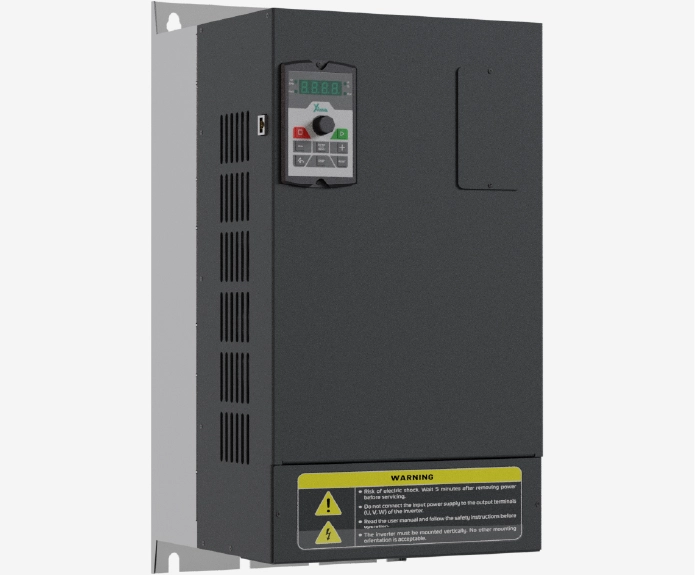
اینورتر 55 کیلووات سه فاز سری صنعتی
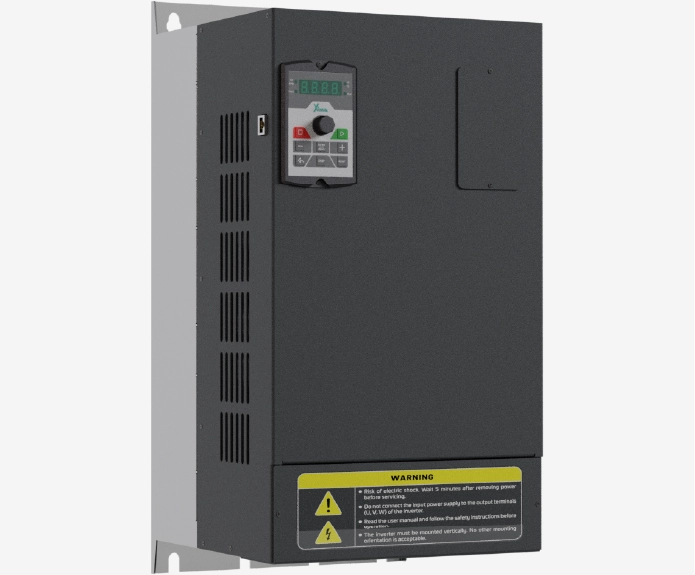
اینورتر 45 کیلووات سه فاز سری صنعتی
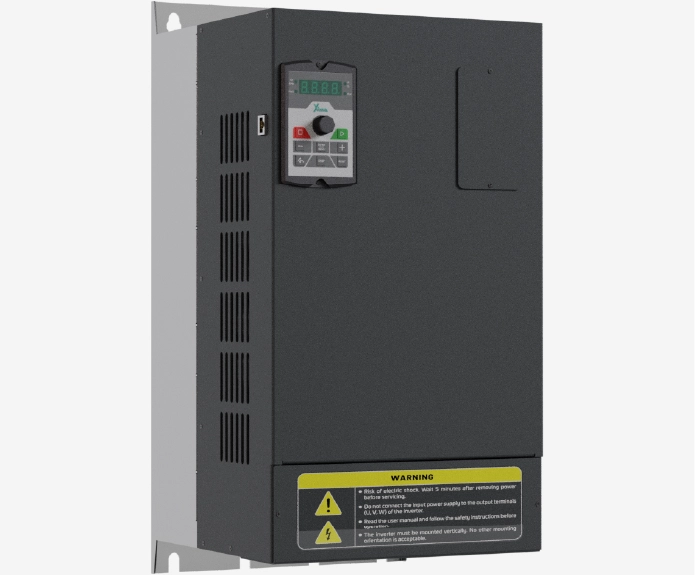
اینورتر 37 کیلووات سه فاز سری صنعتی
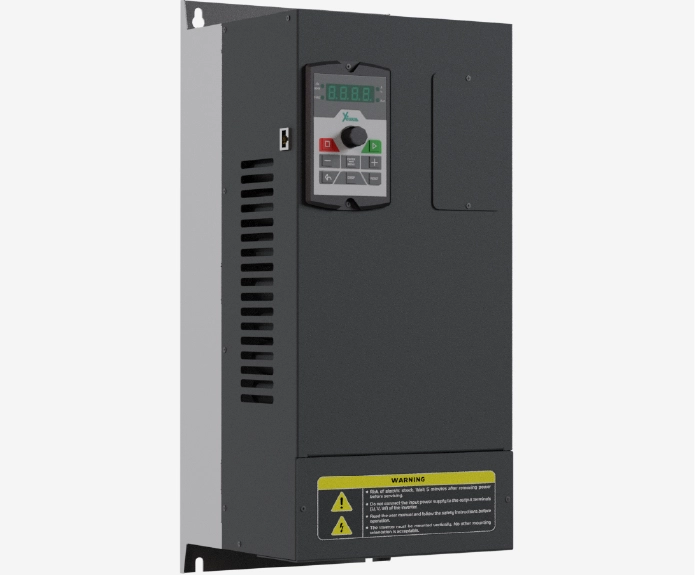
اینورتر 30 کیلووات سه فاز سری صنعتی
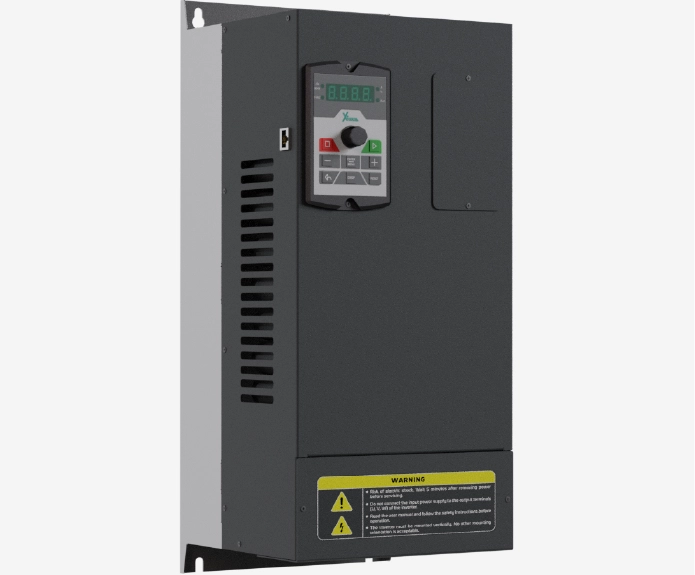
اینورتر 22 کیلووات سه فاز سری صنعتی
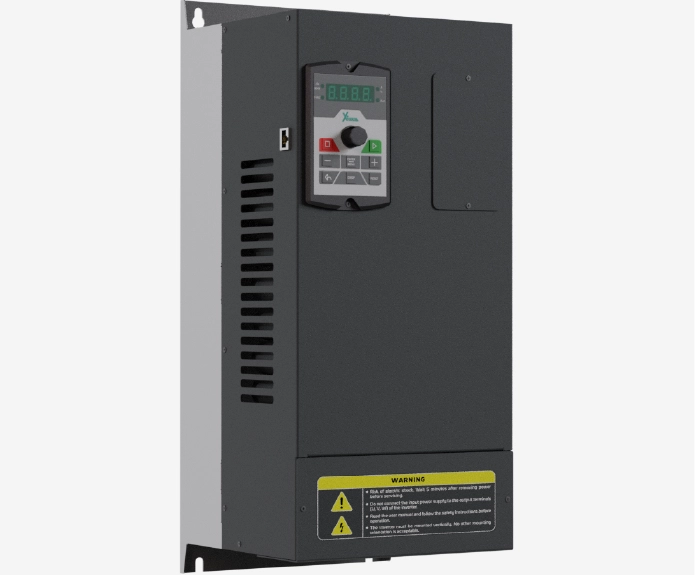
اینورتر 18.5 کیلووات سه فاز سری صنعتی
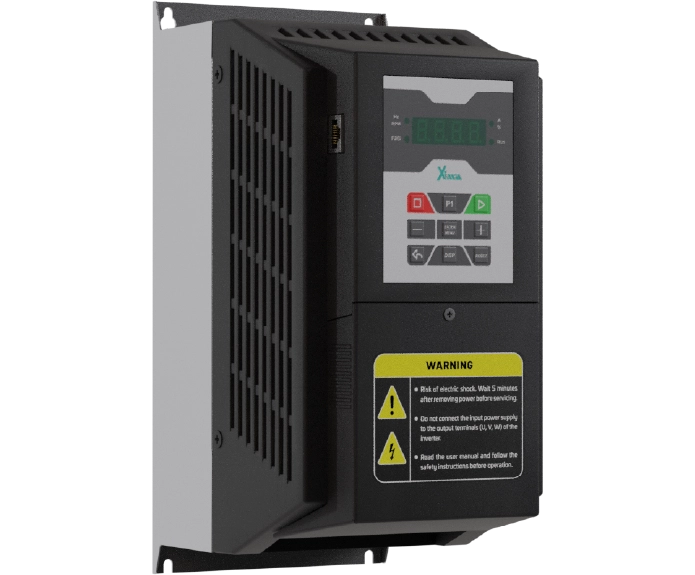
اینورتر 15 کیلووات سه فاز سری صنعتی
نظرات کاربران
دیدگاهها
هنوز دیدگاهی ثبت نشده است.