چرا فشار آب بوسترپمپ نوسان دارد؟ ۷ علت و راهکار رفع مشکل با اینورتر

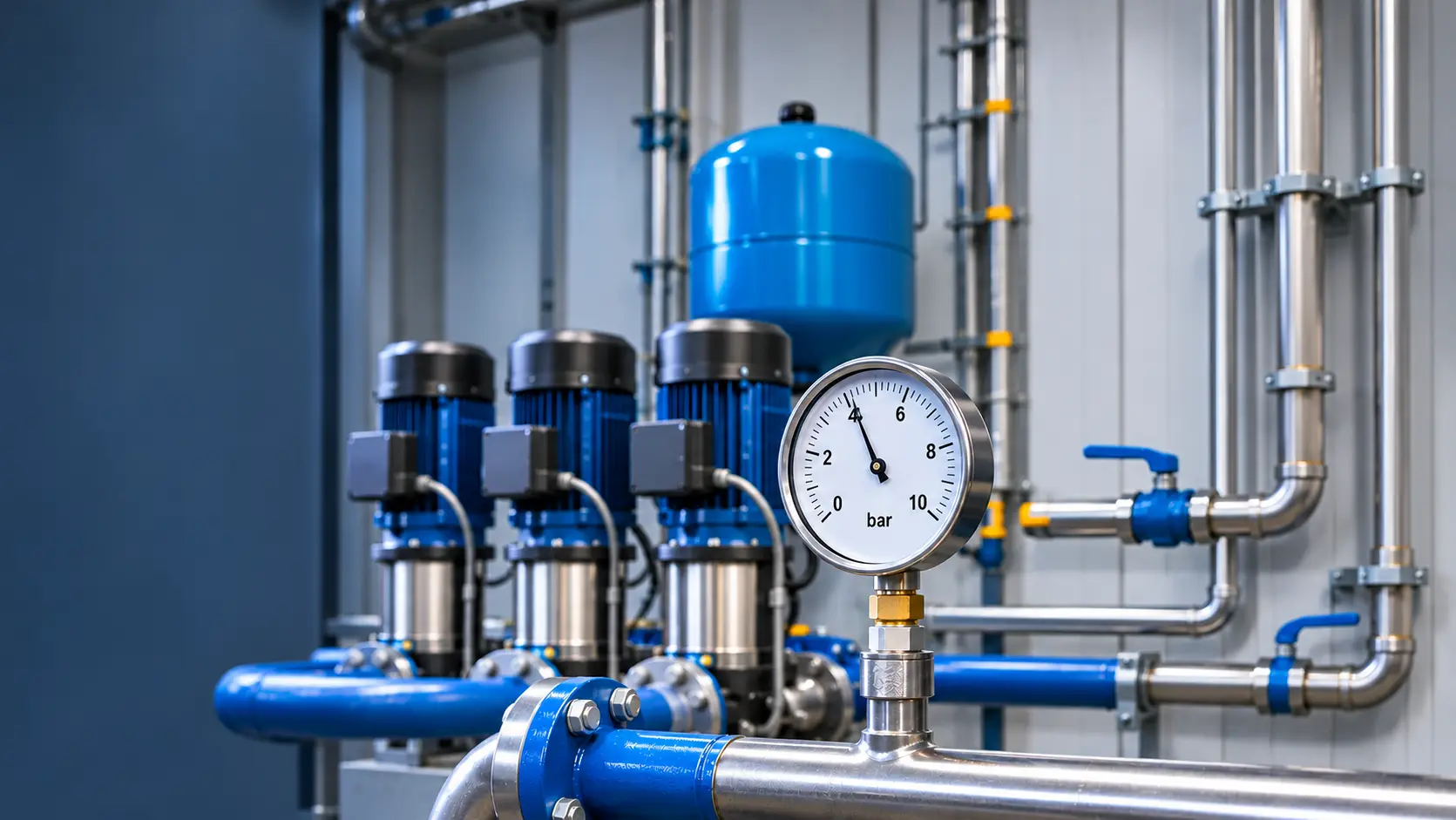
علت نوسان فشار بوسترپمپ چیست؟ ۷ علت رایج و روش رفع مشکل
نوسان فشار بوسترپمپ معمولاً به دلیل اختلال در سنسور فشار، تنظیمات نامناسب اینورتر، مشکل منبع تحت فشار یا عملکرد نادرست پمپها اتفاق میافتد. در سیستمهای چندپمپه، تأخیر در ورود پمپ کمکی نیز میتواند باعث افت فشار شود.
برای تشخیص سریع مشکل، سه مقدار را همزمان بررسی کنید: فشار گیج مکانیکی، فشار نمایشدادهشده در اینورتر و فرکانس خروجی موتور. مقایسه این مقادیر کمک میکند مشخص شود ایراد از اندازهگیری فشار، تنظیمات کنترل یا سیستم هیدرولیکی است.
جدول عیبیابی سریع نوسان فشار بوسترپمپ
| نشانه خرابی | علت احتمالی | اقدام پیشنهادی |
|---|---|---|
| فشار گیج ثابت است، اما فشار نمایشگر نوسان دارد | سنسور یا نویز سیگنال | بررسی فیدبک و کابل سنسور |
| فشار و دور موتور مرتب بالا و پایین میروند | تنظیم نامناسب PID | بررسی ضرایب P و I |
| پمپ بیشازحد روشن و خاموش میشود | Sleep/Wake یا مشکل مخزن | بررسی هیسترزیس و منبع تحت فشار |
| فشار هنگام افزایش مصرف افت میکند | کمبود ظرفیت یا مشکل مکش | بررسی فرکانس و فشار ورودی |
| فشار بدون مصرف کاهش مییابد | نشتی یا خرابی شیر یکطرفه | آزمایش افت فشار سیستم |
| ورود پمپ دوم باعث افت یا جهش فشار میشود | مشکل مرحلهبندی پمپها | بررسی فرمانها و زمان تأخیر |
نکته فنی: نوسان کوتاهمدت فشار هنگام تغییر ناگهانی مصرف، لزوماً خرابی محسوب نمیشود. مشکل زمانی است که فشار به مقدار تنظیمشده بازنگردد یا نوسان در مصرف ثابت ادامه داشته باشد.
۷ علت اصلی نوسان فشار بوسترپمپ و روش رفع آن
۱. خرابی سنسور فشار یا اختلال در سیگنال آن
سنسور فشار، مقدار واقعی فشار شبکه را به اینورتر ارسال میکند. اگر سیگنال سنسور ناپایدار یا مقیاس اندازهگیری اشتباه باشد، کنترلر ممکن است حتی در شرایط فشار ثابت، دور موتور را تغییر دهد.
روش تشخیص:
- فشار نمایشگر اینورتر را با گیج سالم در همان نقطه هیدرولیکی مقایسه کنید.
- اتصالات، تغذیه سنسور و مسیر کابل فرمان را بررسی کنید.
- مطمئن شوید نوع خروجی سنسور با ورودی تنظیمشده در اینورتر مطابقت دارد.
در اینورتر سری P زیما، پارامتر E11 محدوده اندازهگیری سنسور و E12 نوع سیگنال آن را تعیین میکند.
برای نمونه، اگر از سنسور ۰ تا ۱۰ بار با خروجی ۴ تا ۲۰ میلیآمپر استفاده میکنید، جریان ۱۲ میلیآمپر معادل فشار تقریبی ۵ بار است. اختلاف قابلتوجه بین این مقدار و فشار نمایشگر میتواند نشانه تنظیم اشتباه رنج یا مشکل اندازهگیری باشد.
۲. تنظیم نامناسب کنترل PID اینورتر
در بوسترپمپ دورمتغیر، کنترلر PID تلاش میکند با تغییر فرکانس موتور، فشار خروجی را نزدیک فشار مرجع (Setpoint) نگه دارد.
اگر پاسخ کنترلر بیشازحد تند یا کند باشد، فشار ممکن است از مقدار هدف عبور کند یا با تأخیر به آن برسد.
روش تشخیص: در مصرف تقریباً ثابت، فشار و فرکانس خروجی را زیر نظر بگیرید. نوسان پیوسته هر دو مقدار، در صورت سالم بودن سنسور و بخش هیدرولیکی، میتواند نشانه تنظیم نامناسب کنترلر باشد.
در سری P زیما:
- E23: ضریب تناسبی P
- E24: ضریب انتگرالی I
ضرایب کنترل باید بر اساس رفتار واقعی سیستم تنظیم شوند. تغییر همزمان آنها بدون ثبت پاسخ فشار میتواند نوسان را تشدید کند.
۳. تنظیم اشتباه Sleep و Wake اینورتر
در مصرف کم، قابلیت Sleep میتواند پمپ را متوقف کند تا از کارکرد غیرضروری موتور جلوگیری شود. با افت فشار، پمپ مجدداً راهاندازی میشود.
اگر فاصله فشار توقف و راهاندازی مناسب نباشد، پمپ ممکن است در مدت کوتاه چندین بار روشن و خاموش شود.
سه پارامتر مؤثر در سری P زیما عبارتاند از:
| پارامتر | کاربرد |
|---|---|
| E02 | هیسترزیس فشار |
| E25 | بازه زمانی بررسی فشار برای تغییر وضعیت Sleep/Run |
| E32 | هیسترزیس راهاندازی مجدد |
در حالت Sleep، آستانه راهاندازی مجدد بر اساس فشار مرجع و مجموع هیسترزیسهای E02 و E32 تعیین میشود.
مثال: اگر فشار هدف ۴ بار، E02 برابر ۰٫۳ بار و E32 برابر ۰٫۲ بار باشد، آستانه فشار راهاندازی مجدد حدود ۳٫۵ بار خواهد بود. این مثال صرفاً برای توضیح عملکرد است و مقدار تنظیمی پیشنهادی برای همه سیستمها نیست.
راهکار: تعداد دفعات استارت، فاصله زمانی روشن و خاموش شدن و میزان افت فشار در حالت بیمصرف را بررسی کنید. سپس تنظیمات را با شرایط واقعی شبکه هماهنگ کنید.
۴. خرابی یا تنظیم نبودن منبع تحت فشار
منبع تحت فشار در سیستمهای مجهز به مخزن دیافراگمی، به کاهش تغییرات سریع فشار و تعداد استارت پمپ کمک میکند.
کمبود فشار باد، آسیب دیافراگم یا ظرفیت نامناسب مخزن ممکن است باعث روشن و خاموش شدن مکرر بوسترپمپ شود.
روش تشخیص: در حالت کممصرف، سرعت افت فشار و تعداد استارتها را بررسی کنید. سپس پس از توقف ایمن سیستم و تخلیه فشار آب، وضعیت دیافراگم و فشار باد مخزن را کنترل کنید.
فشار باد اولیه باید بر اساس شرایط سیستم و مشخصات مخزن تنظیم شود، نه یک عدد ثابت برای تمام بوسترپمپها.
۵. نشتی شبکه یا خرابی شیر یکطرفه
اگر هیچ مصرفکنندهای فعال نیست اما فشار شبکه بهتدریج افت میکند، احتمال نشتی یا برگشت آب از شیر یکطرفه وجود دارد.
این مشکل باعث میشود اینورتر افت فشار را بهعنوان تقاضای مصرف تشخیص دهد و پمپ مجدداً روشن شود.
راهکار: پس از اطمینان از نبود مصرف واقعی، میزان افت فشار را بررسی کنید. سپس مسیر لولهکشی، اتصالات و آببندی شیر یکطرفه را آزمایش کنید.
۶. ظرفیت ناکافی پمپ یا مشکل در مسیر مکش
اگر فشار خروجی به Setpoint نمیرسد و فرکانس موتور به حداکثر مقدار مجاز نزدیک شده، ممکن است پمپ توان تأمین دبی و هد موردنیاز را نداشته باشد.
گرفتگی صافی، کاهش فشار مکش، ورود هوا و افت سطح آب نیز میتوانند عملکرد پمپ را مختل کنند.
روش تشخیص: همزمان فشار خروجی، فرکانس، جریان موتور و فشار ورودی پمپ را بررسی کنید.
اگر موتور با حداکثر فرکانس کار میکند اما فشار همچنان پایین است، پیش از تغییر PID باید ظرفیت پمپ و شرایط هیدرولیکی بررسی شود.
در سری P زیما، پارامتر E15 حداکثر فرکانس خروجی را مشخص میکند.
۷. تأخیر یا اختلال در ورود پمپ دوم به مدار
در بوسترپمپ چندپمپه، وقتی پمپ اول به ظرفیت مؤثر خود میرسد، پمپ کمکی باید مطابق منطق کنترل وارد مدار شود.
اگر ورود پمپ دوم با تأخیر نامناسب انجام شود، فشار شبکه افت میکند. ورود یا خروج نامناسب پمپ نیز میتواند باعث جهش فشار شود.
روش عیبیابی به نوع آرایش بوسترپمپ بستگی دارد:
- پمپ کمکی دورثابت: وضعیت رله خروجی، کنتاکتور و پارامترهای E19 و E34 بررسی شود.
- سیستم چنددرایوه شبکهای: آدرس درایوها، تعداد پمپها و تنظیمات مرحلهبندی شامل E27، E28، E29 و E38 کنترل شود.
- سیستم مجهز به رلهکارت بوسترپمپ: تنظیمات گروه Pb و فرمان رلهها بررسی شود.
در سیستم دارای پمپ دوم دورثابت، E34 زمان تأخیر ورود پمپ کمکی را پس از تحقق شرایط تعیینشده مشخص میکند.
تنظیمات مهم اینورتر زیما برای رفع نوسان فشار آب بوسترپمپ
اگر بخش مکانیکی و سنسور سالم هستند، پارامترهای زیر در عیبیابی سری P اهمیت بیشتری دارند.
| پارامتر | عملکرد | زمان بررسی |
|---|---|---|
| E11 / E12 | رنج و نوع سنسور فشار | اختلاف فشار واقعی و نمایشگر |
| E23 / E24 | ضرایب کنترل P و I | نوسان مداوم فشار و فرکانس |
| E02 / E25 / E32 | کنترل شرایط توقف و راهاندازی | روشن و خاموش شدن مکرر |
| E03 / E04 | زمان شتابگیری و کاهش سرعت | پاسخ نامناسب هنگام تغییر دور |
| E15 | حداکثر فرکانس موتور | نرسیدن فشار به مقدار هدف |
| E19 / E34 | کنترل ورود پمپ کمکی دورثابت | تأخیر در ورود پمپ دوم |
مهم: قبل از تغییر پارامترها، مقادیر اولیه را ثبت کنید. تغییر تنظیمات باید متناسب با ظرفیت موتور، پمپ و محدودیت فشار تجهیزات انجام شود.
چکلیست عملی رفع نوسان فشار بوسترپمپ
برای تشخیص سریع، این پنج مرحله را به ترتیب انجام دهید:
- بررسی فشار: فشار گیج و نمایشگر درایو را مقایسه کنید. در نوسانات سریع، تأخیر پاسخ گیج مکانیکی را نیز در نظر بگیرید.
- بررسی فرکانس: مشخص کنید فرکانس پیوسته نوسان میکند، ثابت است یا به حداکثر مجاز میرسد.
- بررسی هیدرولیکی: وضعیت مکش، نشتی، شیر یکطرفه و مخزن تحت فشار را کنترل کنید.
- بررسی تنظیمات: فشار مرجع، فیدبک، ضرایب کنترل و شرایط Sleep/Run را بررسی کنید.
- تست در سه وضعیت مصرف: عملکرد سیستم را در مصرف کم، مصرف معمولی و مصرف بالا آزمایش کنید.
در صورت مشاهده خطای SEns، ابتدا سنسور و سیگنال آن را بررسی کنید. خطای Dry نیز نیازمند بررسی شرایط تأمین آب و منطق حفاظت بیآبی است و بهتنهایی اثبات نمیکند که آب ورودی کاملاً قطع شده است.
این بررسیها باید توسط تکنسین صلاحیتدار انجام شوند. پیش از کار روی اتصالات برقی یا تجهیزات تحت فشار، سیستم را بهطور کامل ایمن کنید.
سؤالات متداول درباره نوسان فشار بوسترپمپ
چرا بوسترپمپ با وجود اینورتر فشار ثابتی ندارد؟
اینورتر برای کنترل دقیق فشار به سنسور سالم، تنظیمات مناسب و ظرفیت کافی پمپ نیاز دارد. اختلال در هرکدام از این بخشها یا مشکلات هیدرولیکی میتواند باعث نوسان شود.
علت روشن و خاموش شدن مکرر بوسترپمپ چیست؟
تنظیم نامناسب Sleep/Wake، مشکل منبع تحت فشار، نشتی شبکه یا اختلال سنسور از علتهای رایج است. ابتدا رفتار فشار در حالت بدون مصرف بررسی شود.
چرا فشار بوسترپمپ هنگام مصرف زیاد افت میکند؟
احتمال کمبود ظرفیت پمپ، مشکل مکش، محدودیت فرکانس یا تأخیر در ورود پمپ دوم وجود دارد. اگر موتور به حداکثر دور مجاز رسیده است، بررسی ظرفیت و عملکرد پمپ در اولویت قرار دارد.
آیا با تغییر PID میتوان نوسان فشار را برطرف کرد؟
اگر نوسان ناشی از تنظیمات کنترلر باشد، بله؛ اما تغییر PID نمیتواند خرابی سنسور، نشتی، مشکل مکش یا ظرفیت ناکافی پمپ را برطرف کند.
جمعبندی
برای رفع نوسان فشار آب بوسترپمپ ابتدا فشار واقعی، سیگنال سنسور و فرکانس موتور را بررسی کنید. اگر اندازهگیری صحیح است، وضعیت هیدرولیکی و سپس تنظیمات کنترل فشار را ارزیابی کنید.
تشخیص صحیح علت نوسان، از تغییر پارامترهای غیرضروری، استارتهای مکرر و فشار اضافی به تجهیزات جلوگیری میکند.
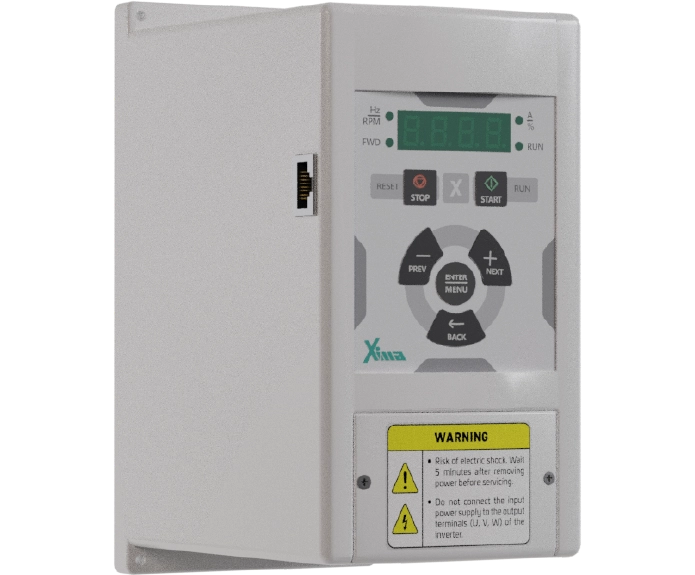
درایو پمپی سری P زیما با قابلیت کنترل فشار، مدیریت وضعیت Sleep/Run و پشتیبانی از آرایشهای مختلف بوسترپمپ، برای کنترل سیستمهای آبرسانی طراحی شده است.
برای آشنایی با انواع مدلها و انتخاب اینورتر مناسب، درایوهای پمپ و بوسترپمپ سری P زیما را مشاهده کنید.
Booster pump pressure fluctuations are commonly caused by faulty pressure sensors, incorrect VFD settings, expansion tank problems, or poor pump performance. In multi-pump systems, delayed activation of an additional pump can also cause noticeable pressure drops.
For a quick diagnosis, check three readings at the same time: the mechanical pressure gauge, the pressure displayed on the VFD, and the motor’s output frequency. Comparing these values helps determine whether the problem is related to pressure measurement, drive control, or the hydraulic system.
Quick Troubleshooting: Booster Pump Pressure Problems
Before adjusting any VFD parameters, identify the symptom that best matches your system.
- The pressure gauge is steady, but the VFD reading fluctuates. Possible cause: a faulty pressure transmitter or electrical noise. Check the sensor signal, wiring, and connections.
- Water pressure and motor speed continuously rise and fall. Possible cause: unstable PID control. Check the proportional and integral control settings.
- The pump starts and stops too frequently. Possible cause: incorrect Sleep/Wake settings or a problem with the pressure tank. Check the pressure hysteresis and tank condition.
- Pressure drops when water demand increases. Possible cause: insufficient pump capacity or poor suction conditions. Check the output frequency and inlet pressure.
- Pressure falls even when no water is being used. Possible cause: a system leak or a faulty check valve. Perform a pressure-loss test.
- Pressure drops or spikes when the second pump starts. Possible cause: incorrect pump staging. Check the control signals and pump activation delay.
Technical note: A brief pressure drop or overshoot during a sudden change in water demand is not necessarily a fault. Troubleshooting becomes necessary when pressure fails to recover to its setpoint or continues oscillating under steady operating conditions.
7 Common Causes of Booster Pump Pressure Fluctuation
1. Faulty Pressure Sensor or Unstable Feedback Signal
The pressure transmitter measures the system pressure and sends a feedback signal to the variable frequency drive (VFD). If this signal is unstable or incorrectly scaled, the controller may continuously adjust motor speed even when the actual water pressure is steady.
How to diagnose the problem:
- Compare the pressure displayed on the VFD with a reliable mechanical gauge installed at the same hydraulic measuring point.
- Inspect the transmitter wiring, power supply, and signal connections.
- Check whether the transmitter’s output type matches the configured VFD input.
- Look for electrical interference, particularly where sensor cables run close to motor power cables.
On the XIMA P Series Pump Drive, parameter E11 defines the pressure sensor measurement range, while E12 selects the sensor signal type.
Practical example: Consider a pressure transmitter with a 0–10 bar measuring range and a 4–20 mA output. At 5 bar, the expected signal is approximately 12 mA.
If the drive displays a significantly different pressure, check the sensor scaling, signal quality, and transmitter calibration before changing the control settings.
2. Incorrect PID Control Settings
In a variable-speed booster pump system, PID control adjusts the motor frequency to maintain the desired discharge pressure, also known as the pressure setpoint.
Poorly tuned control parameters can cause the pump to respond too aggressively or too slowly to changes in water demand. The result may be continuous pressure oscillation, overshoot, or delayed pressure recovery.
How to diagnose the problem:
Monitor the discharge pressure and output frequency while water demand remains relatively constant.
If both values continuously rise and fall, and the sensor and hydraulic components are operating correctly, the PID settings may require adjustment.
For XIMA P Series drives:
- E23 – Proportional (P): Controls the proportional response to pressure error.
- E24 – Integral (I): Provides integral action to help eliminate sustained pressure error.
The correct settings depend on the pump characteristics, pipework, pressure sensor, and system response.
Recommended action: Adjust the control parameters systematically while observing pressure and frequency changes. Avoid changing multiple parameters simultaneously, as this makes it difficult to identify which adjustment improves or worsens stability.
3. Incorrect Sleep and Wake Settings
The Sleep function allows the VFD to stop the pump when water demand is very low or absent. When system pressure falls to the restart threshold, the drive starts the pump again.
If the stop and restart conditions are not configured correctly, the pump may cycle repeatedly within short intervals.
On XIMA P Series drives, three important parameters affect this behavior:
- E02 – Pressure Hysteresis: Defines the pressure hysteresis used by the control logic.
- E25 – Oscillation Time: Sets the pressure evaluation interval associated with Sleep/Run transitions.
- E32 – Start Hysteresis: Defines the additional hysteresis used for restarting.
During Sleep, the restart threshold is determined by the pressure setpoint and the combined hysteresis values of E02 and E32.
Example:
Assume the following settings:
- Pressure setpoint: 4 bar
- E02: 0.3 bar
- E32: 0.2 bar
The restart pressure threshold would be approximately 3.5 bar.
These values illustrate the control logic and are not universal recommended settings.
Recommended action: Monitor the number of starts, the time between cycles, and the rate of pressure loss when water demand is low. Adjust the Sleep/Run settings according to the actual system behavior.
4. Faulty or Incorrectly Charged Pressure Tank
A diaphragm pressure tank helps absorb short-term pressure changes and reduce unnecessary pump starts.
However, insufficient air pre-charge, a damaged diaphragm, or an undersized tank can lead to rapid pressure changes and frequent pump cycling.
How to diagnose the problem:
Observe how quickly the system loses pressure during periods of low demand. An unusually high number of pump starts may indicate a pressure tank problem.
After safely isolating the system and relieving the water pressure, inspect the diaphragm and measure the tank’s air pre-charge.
Recommended action: Set the pre-charge according to the tank manufacturer’s requirements and the operating conditions of the booster system. A single pre-charge value is not suitable for every installation.
5. Water Leaks or a Faulty Check Valve
If the system pressure gradually falls while all outlets are closed, water may be escaping through a leak or flowing backward through a defective check valve.
As the pressure decreases, the controller may interpret the pressure loss as new water demand and restart the pump unnecessarily.
How to diagnose the problem:
- Confirm that no water is being consumed.
- Monitor the pressure drop over time.
- Inspect pipe connections, valves, and potential leakage points.
- Check whether the non-return valve is sealing correctly.
Recommended action: Eliminate leakage or backflow before attempting to compensate for the pressure loss through VFD settings.
6. Insufficient Pump Capacity or Poor Suction Conditions
If the discharge pressure remains below the setpoint while the motor frequency approaches its permitted maximum, the pump may be unable to deliver the required flow rate and head.
Other possible causes include clogged strainers, insufficient inlet pressure, air entering the suction line, or a low water level in the supply tank.
How to diagnose the problem:
Check the discharge pressure, VFD output frequency, motor current, and pump inlet pressure under load.
If the motor is already operating at its maximum permitted frequency but cannot maintain the required pressure, investigate the pump performance and hydraulic conditions before adjusting PID parameters.
On XIMA P Series drives, E15 defines the maximum output frequency.
Recommended action: Verify that the pump’s operating curve matches the required flow and head. Increasing the pressure setpoint or PID response cannot compensate for inadequate pump capacity.
7. Delayed or Incorrect Activation of the Second Pump
In multi-pump booster systems, an additional pump should enter operation when the running pump can no longer meet system demand under the configured control conditions.
If the second pump starts too late, the discharge pressure may drop. Incorrect staging or abrupt switching can also cause pressure spikes.
Troubleshooting depends on the pump configuration:
- Fixed-speed auxiliary pump: Check the output relay, contactor operation, and parameters E19 and E34.
- Multiple drives connected through Modbus: Verify drive addressing, the configured number of pumps, and staging parameters E27, E28, E29, and E38.
- Booster system using an external relay card: Check the Pb parameter group and the relay control signals.
In a configuration using a fixed-speed auxiliary pump, E34 determines the activation delay after the relevant staging conditions have been met.
For more information about wiring arrangements and multi-pump control, see XIMA’s booster pump installation and VFD setup guide.
Key XIMA VFD Parameters for Booster Pump Pressure Troubleshooting
If the pressure sensor and hydraulic components are working correctly, the following settings are particularly useful when diagnosing pressure instability on XIMA P Series drives.
- E11 / E12 – Sensor Range and Signal Type: Check when the actual system pressure does not match the VFD reading.
- E23 / E24 – P and I Control Parameters: Check when the pressure and motor frequency continuously oscillate.
- E02 / E25 / E32 – Sleep/Run Control: Check when the pump frequently stops and restarts.
- E03 / E04 – Acceleration and Deceleration Times: Check when pressure responds too abruptly or too slowly to speed changes.
- E15 – Maximum Output Frequency: Check when the pump cannot reach its pressure setpoint under high demand.
- E19 / E34 – Fixed-Speed Auxiliary Pump Control: Check when an additional pump starts late or fails to enter operation as expected.
Important: Record the existing parameter values before making adjustments. All changes must remain within the operating limits of the motor, pump, piping, and pressure-control equipment.
Practical Booster Pump Troubleshooting Checklist
For a faster and more reliable diagnosis, follow these five steps in order.
- Compare pressure readings. Check the mechanical pressure gauge against the VFD display. Keep in mind that mechanical gauges may respond more slowly to rapid pressure changes.
- Monitor motor frequency. Determine whether the frequency is oscillating, holding steady, or reaching its maximum permitted value.
- Inspect the hydraulic system. Check suction conditions, leakage, the check valve, and the pressure tank.
- Review VFD settings. Verify the pressure setpoint, sensor feedback, PID parameters, and Sleep/Run settings.
- Test the system at different flow rates. Observe pressure stability under low, normal, and high water demand.
Check VFD Fault Codes Before Changing Parameters
If a XIMA P Series drive displays a SEns fault, check the pressure transmitter, its wiring, and the configured sensor type.
A Dry fault requires inspection of the water supply conditions and the drive’s dry-running protection logic. This fault does not always mean that the water supply has completely stopped.
For additional fault identification, refer to the XIMA VFD fault code list.
Safety note: Electrical inspections and work on pressurized equipment should only be performed by qualified technicians. Isolate and secure the system before opening electrical enclosures or servicing hydraulic components.
Frequently Asked Questions About Booster Pump Pressure Fluctuations
Why does my booster pump pressure fluctuate even with a VFD?
A VFD can maintain stable pressure only when the sensor feedback is accurate, the control parameters are properly configured, and the pump has sufficient capacity. Sensor faults, hydraulic problems, and incorrect control settings can still cause pressure fluctuations.
What causes a booster pump to start and stop repeatedly?
Common causes include incorrect Sleep/Wake settings, insufficient pressure tank pre-charge, water leaks, and unstable sensor feedback. Start by observing pressure behavior when there is no water demand.
Why does booster pump pressure drop when water demand increases?
Possible causes include insufficient pump capacity, poor suction conditions, output frequency limitations, or delayed activation of an auxiliary pump. If the motor has reached its maximum permitted speed, pump performance should be checked first.
Can PID tuning eliminate booster pump pressure fluctuations?
Yes, if the instability is caused by poorly tuned control parameters. However, PID adjustments cannot fix a faulty pressure sensor, leaking pipework, insufficient suction pressure, or an undersized pump.
Conclusion
The most effective way to resolve booster pump pressure fluctuations is to start with the actual pressure reading, sensor feedback, and motor output frequency. Once these readings are verified, inspect the hydraulic system before adjusting the VFD’s pressure-control settings.
A systematic troubleshooting approach helps prevent unnecessary parameter changes, frequent motor starts, and excessive stress on pumping equipment.
The XIMA P Series is designed for water pumping and booster pump applications, offering closed-loop pressure control, Sleep/Run management, and support for different multi-pump configurations.
Explore the XIMA P Series Pump and Booster Pump Drives to compare available models and find a suitable drive for your pumping system.
محصولات
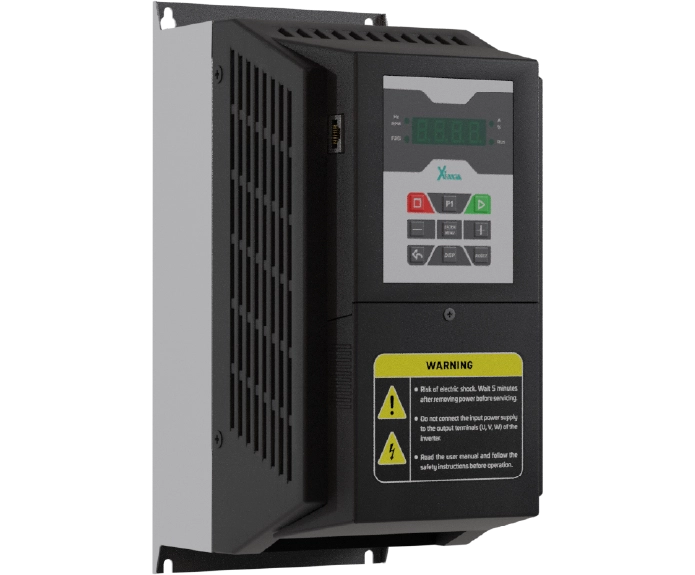
اینورتر 15 کیلووات سه فاز سری پمپ و بوستر پمپ
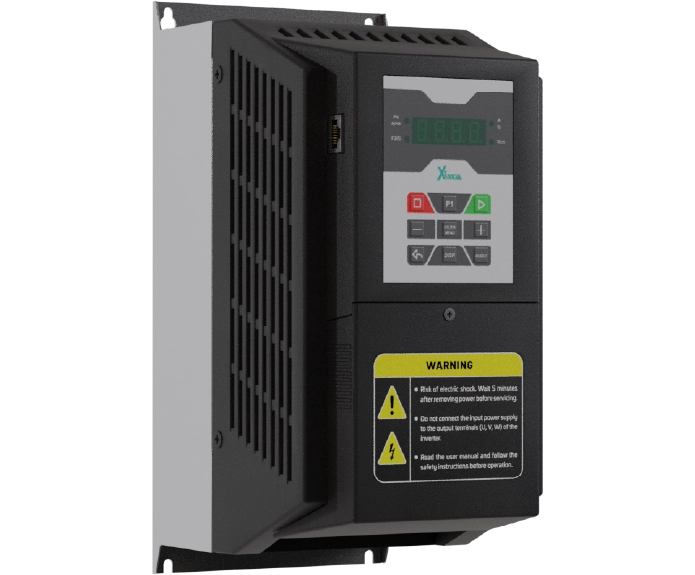
اینورتر 11 کیلووات سه فاز سری پمپ و بوستر پمپ
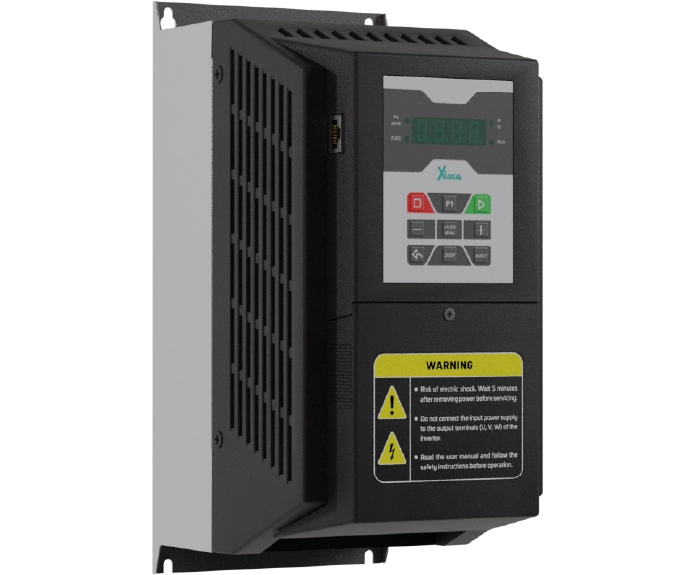
اینورتر 7.5 کیلووات سه فاز سری پمپ و بوستر پمپ
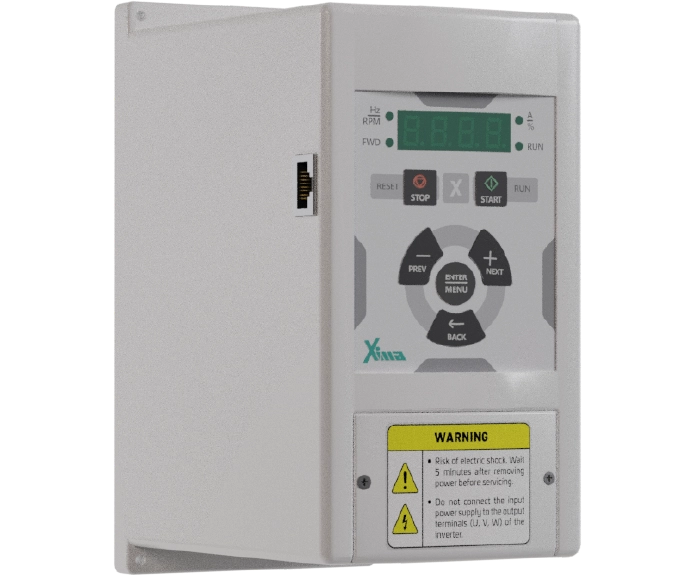
اینورتر 5.5 کیلووات سه فاز سری پمپ و بوستر پمپ
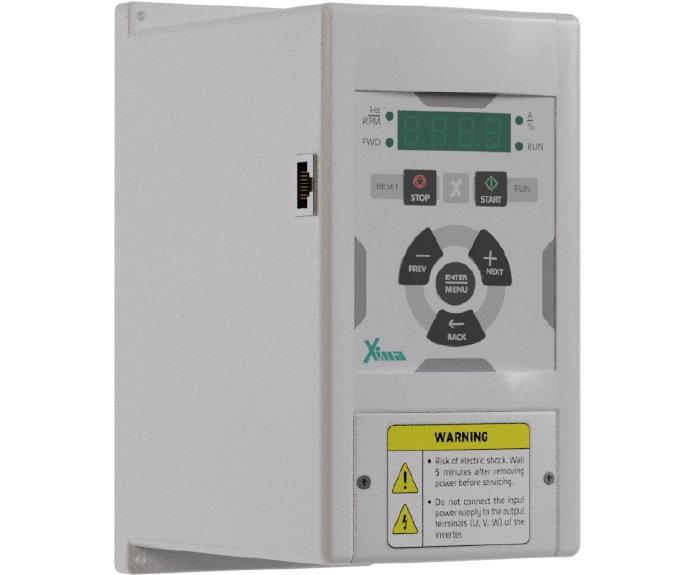
اینورتر 4 کیلووات سه فاز سری پمپ و بوستر پمپ
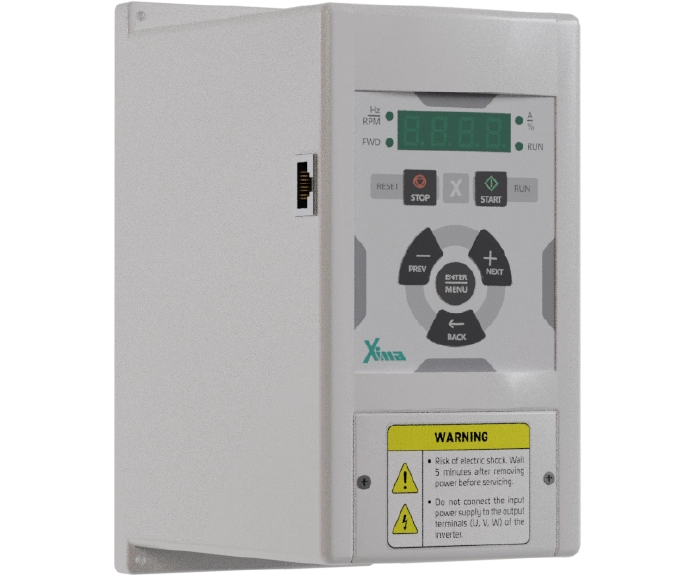
اینورتر 3 کیلووات سه فاز سری پمپ و بوستر پمپ
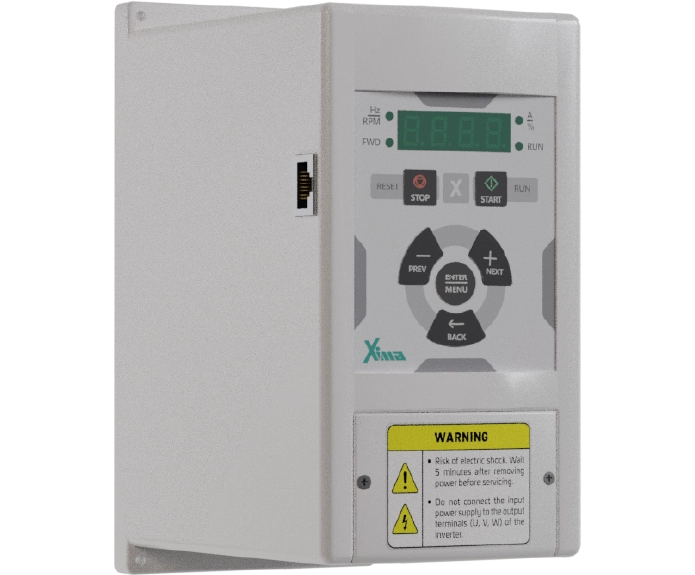
اینورتر 2.2 کیلووات سه فاز سری پمپ و بوستر پمپ
نظرات کاربران
دیدگاهها
هنوز دیدگاهی ثبت نشده است.