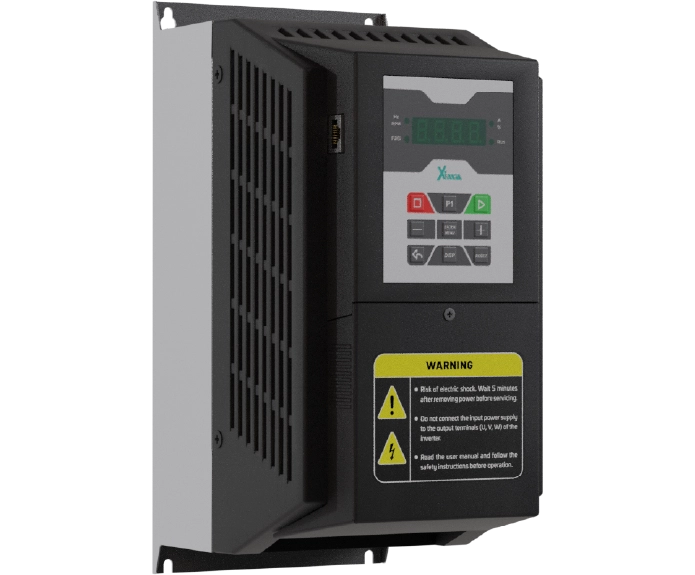
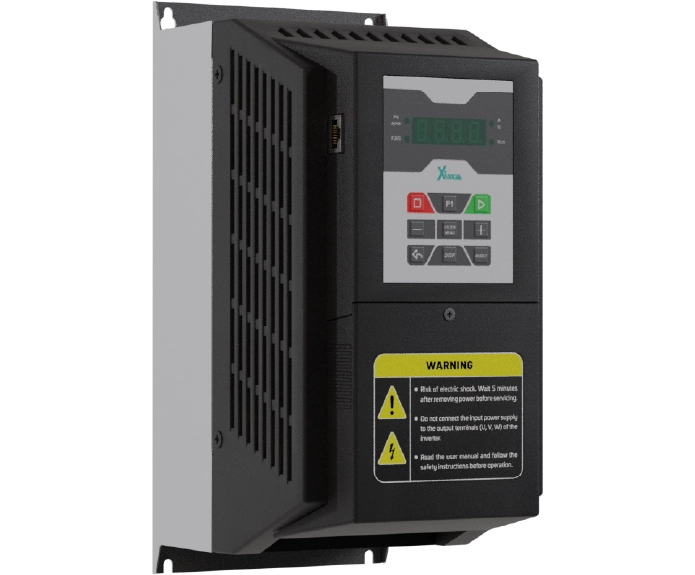
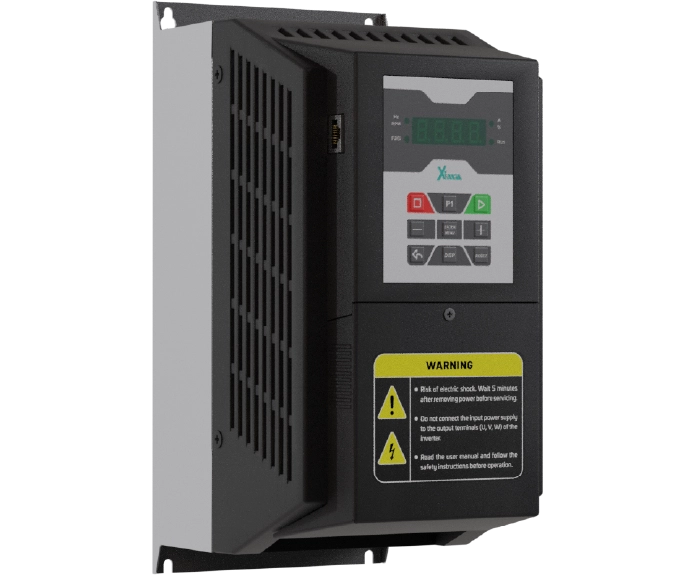
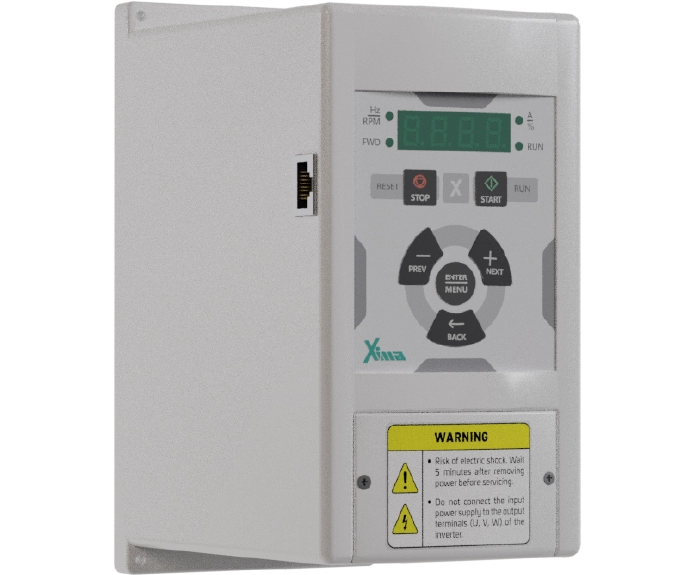
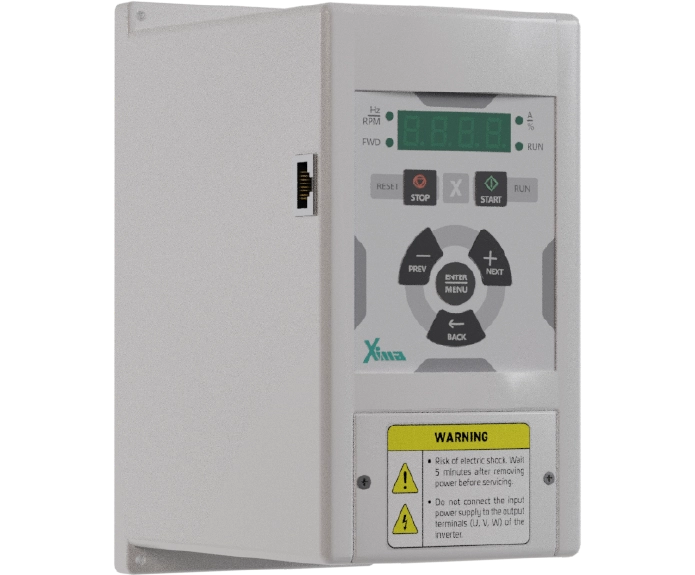
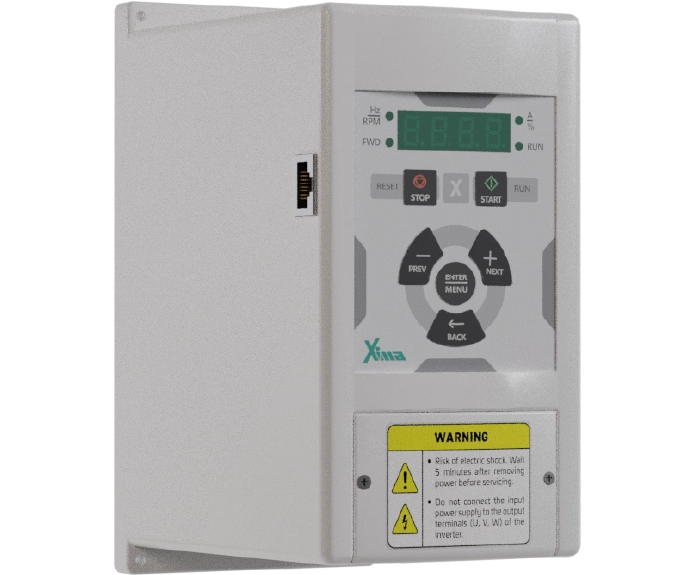
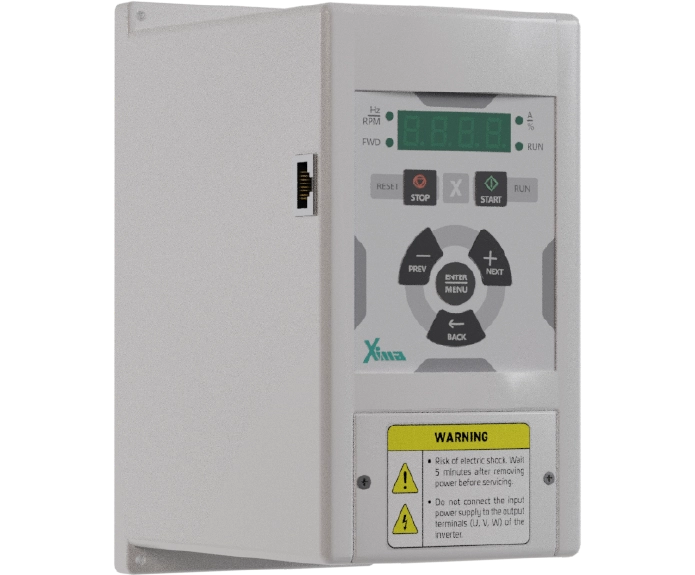
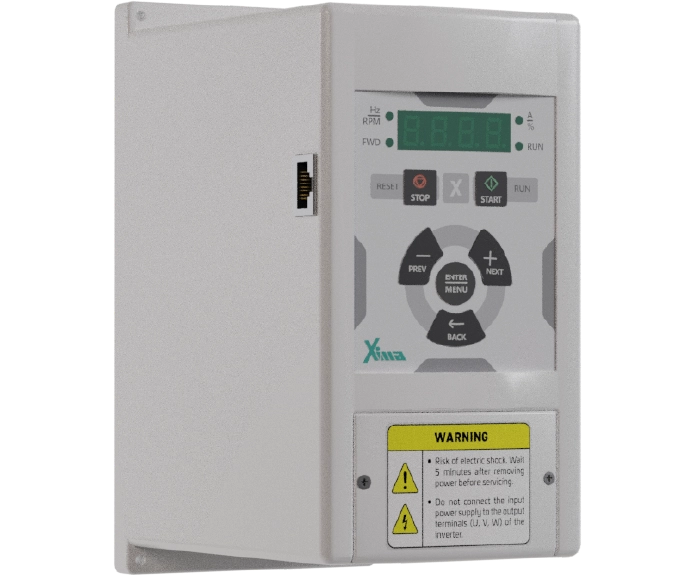
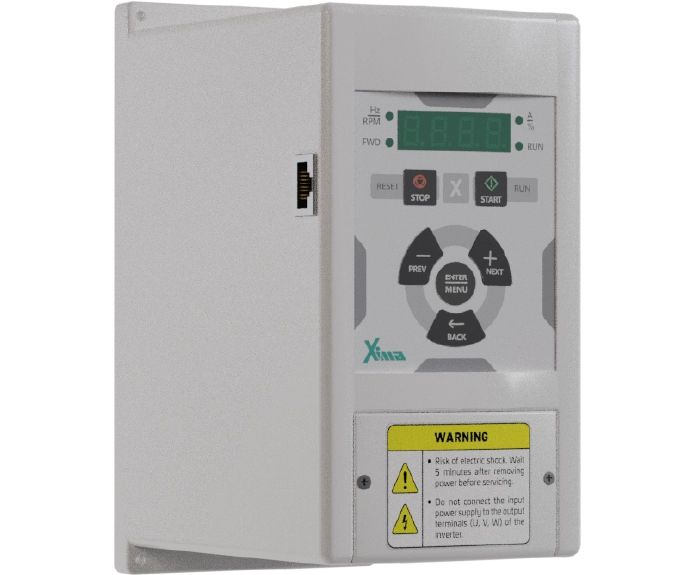
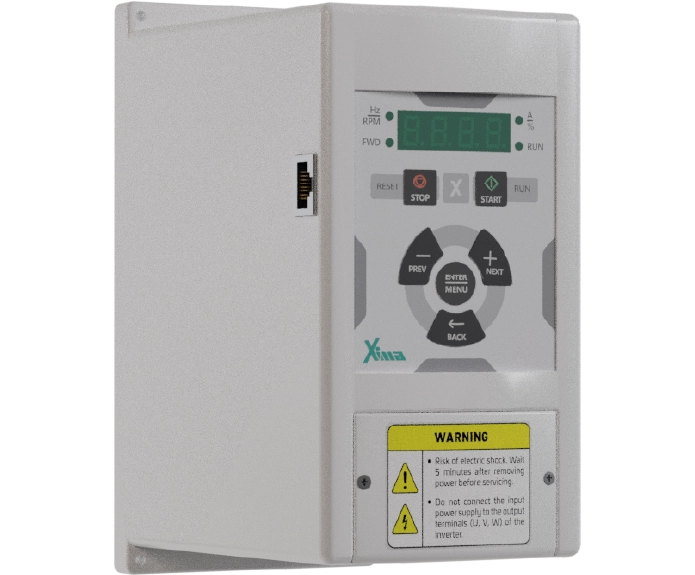
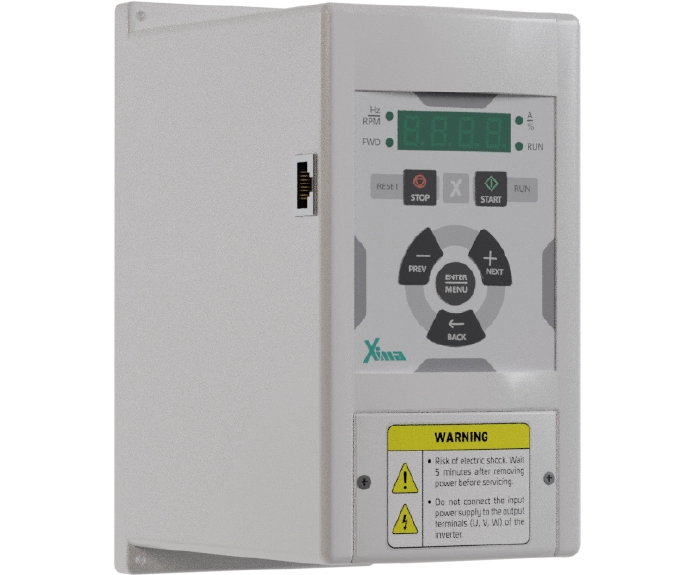
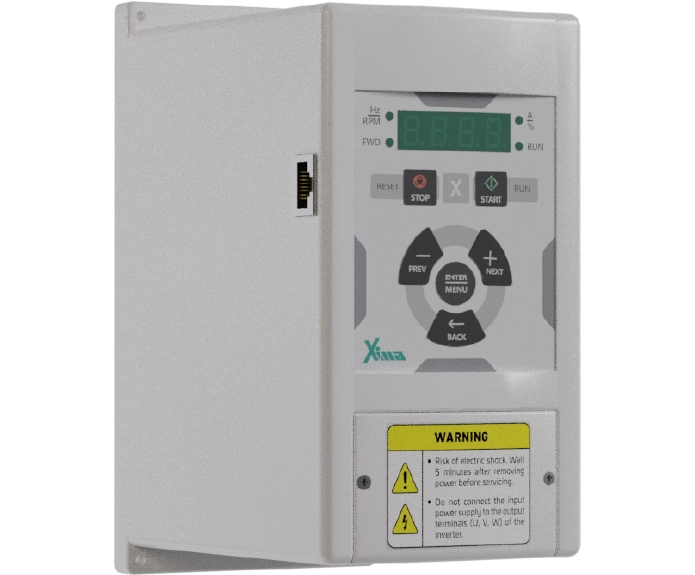
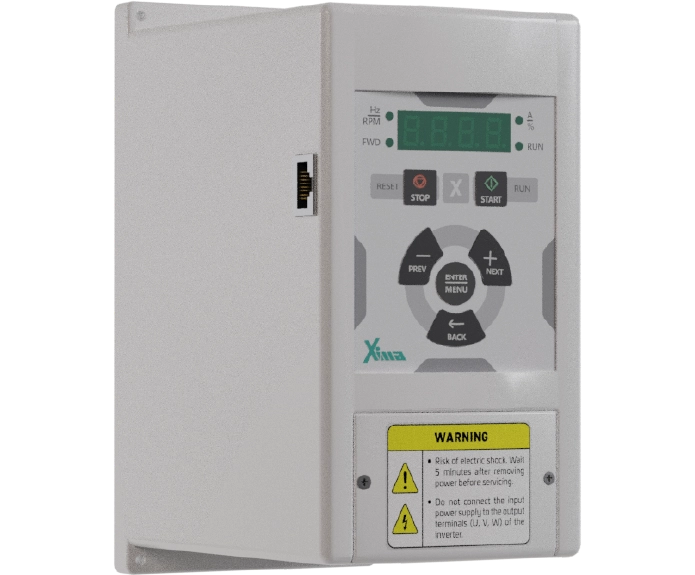
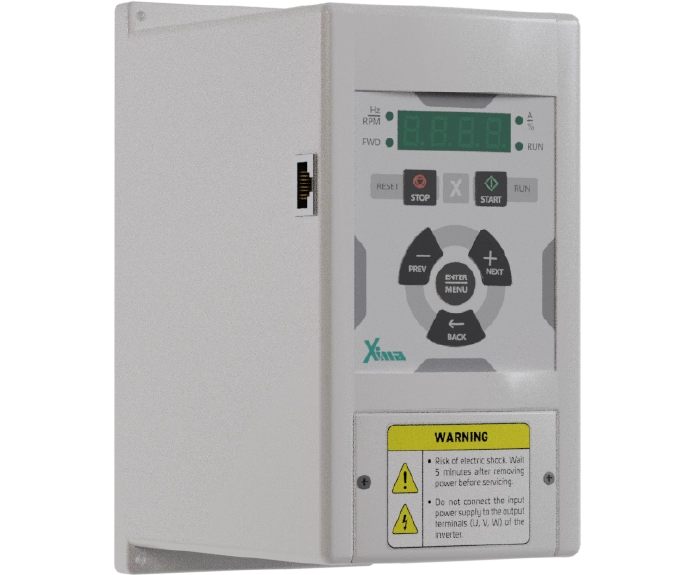
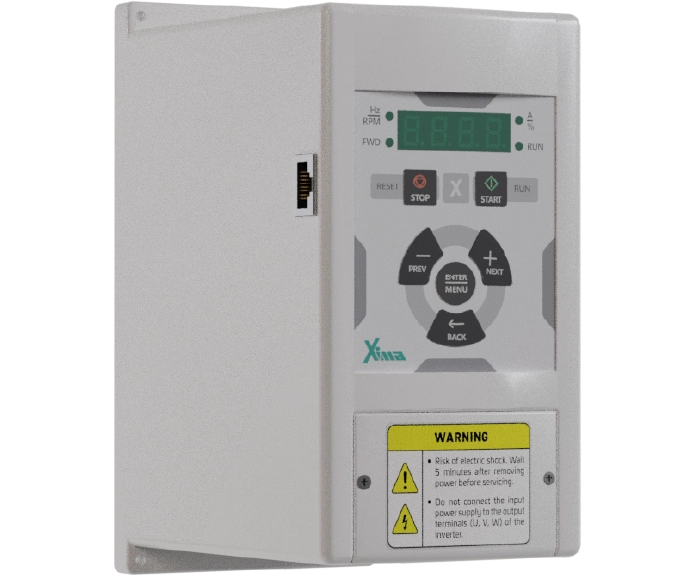
اینورتر پمپ آب زیما سری P؛ راهکار کنترل فشار و دور موتور
درایوهای سری P زیما برای کنترل دور الکتروموتور در سیستمهای پمپ آب، بوسترپمپ و تأسیسات آبرسانی طراحی شدهاند. این خانواده با بهرهگیری از کنترلر PID، دریافت بازخورد سنسور فشار و توابع اختصاصی پمپاژ، امکان تنظیم عملکرد پمپ متناسب با شرایط مصرف و مدیریت سیستمهای تکپمپ و چندپمپه را فراهم میکند.
در این صفحه، مدلهای اینورتر پمپ آب زیما از خانوادههای P100 و P200 در توانهای ۰.۳۷ تا ۱۵ کیلووات، با ورودی تکفاز ۲۲۰ ولت و سهفاز ۳۸۰ ولت ارائه شدهاند. این مدلها را میتوانید بر اساس توان، ولتاژ ورودی و خروجی و مشخصات فنی با یکدیگر مقایسه کنید.
برای انتخاب درایو مناسب، ابتدا مشخصات موتور، برق محل نصب و ساختار سیستم پمپاژ را بررسی کنید. پس از انتخاب مدل، از طریق گزینه «استعلام قیمت» درخواست خود را ثبت کنید. اگر هنوز مدل موردنیاز مشخص نیست، اطلاعات پلاک موتور، تعداد پمپها و نحوه کنترل فشار را برای بررسی فنی در اختیار کارشناسان زیما قرار دهید.
قیمت اینورتر پمپ آب زیما و نحوه استعلام
قیمت درایو پمپ آب زیما به مدل دستگاه، توان نامی، جریان خروجی و ولتاژ ورودی و خروجی بستگی دارد. در سری پمپی P، مدلهای مختلفی برای برق تکفاز ۲۲۰ ولت و سهفاز ۳۸۰ ولت ارائه میشوند که از نظر ظرفیت موتور و مشخصات الکتریکی با یکدیگر تفاوت دارند.
برای مثال، مدلهای P100B022-1 و P100B022-3 هر دو دارای توان ۲.۲ کیلووات هستند، اما مدل اول با ورودی تکفاز ۲۲۰ ولت و خروجی سهفاز ۲۲۰ ولت کار میکند؛ درحالیکه مدل دوم دارای ورودی و خروجی سهفاز ۳۸۰ ولت است. بنابراین، هنگام مقایسه قیمت اینورتر زیما، صرفاً توان یکسان دو دستگاه را مبنای انتخاب قرار ندهید.
برای استعلام قیمت، مدل موردنظر را از فهرست محصولات انتخاب کنید. در خرید پروژهای، اعلام تعداد درایوها، زمان تحویل مورد انتظار و تجهیزات جانبی موردنیاز به بررسی دقیقتر شرایط تأمین کمک میکند.
هنگام بررسی هزینه خرید و راهاندازی، موارد زیر را در نظر بگیرید:
- مشخصات درایو: مدل، توان، جریان خروجی و ولتاژ ورودی و خروجی.
- تجهیزات کنترل فشار: نوع سنسور فشار، محدوده اندازهگیری و سازگاری آن با ورودی درایو.
- تجهیزات بوسترپمپ: تعداد درایوها، کارت رله جانبی و ملزومات ارتباط میان دستگاهها.
- شرایط تأمین: تعداد موردنیاز، موجودی و زمان تحویل اعلامشده.
- خدمات پس از فروش: شرایط گارانتی و دسترسی به راهنمای فنی برای نصب و تنظیم دستگاه.
اگر مدل مناسبی انتخاب کردهاید، درخواست قیمت را از طریق همان محصول ثبت کنید. در غیر این صورت، مشخصات موتور و سیستم آبرسانی را از طریق تماس با زیما ارسال کنید تا مدل و تجهیزات موردنیاز بررسی شوند.
مقایسه مدلهای درایو پمپ زیما سری P
درایوهای سری P زیما با هدف کنترل دور موتورپمپ و استفاده در سیستمهای آبرسانی طراحی شدهاند. در فهرست محصولات این دسته، مدلهای P100 و P200 بر اساس توان و نوع برق ورودی در سه گروه قرار میگیرند.
مدلهای P100 تکفاز در توانهای ۰.۳۷، ۰.۷۵، ۱.۱، ۱.۵، ۲.۲ و ۳ کیلووات ارائه میشوند. این گروه برای شرایطی قابل بررسی است که برق ورودی تکفاز ۲۲۰ ولت و الکتروموتور با خروجی سهفاز ۲۲۰ ولت سازگار باشد.
مدلهای P100 سهفاز در توانهای ۰.۷۵، ۱.۵، ۲.۲، ۳، ۴ و ۵.۵ کیلووات قرار دارند و برای موتورپمپهای سازگار با خروجی سهفاز ۳۸۰ ولت قابل انتخاب هستند.
مدلهای P200 سهفاز شامل توانهای ۷.۵، ۱۱ و ۱۵ کیلووات هستند و محدوده توان بالاتر در فهرست فعلی این دسته را پوشش میدهند.
این تقسیمبندی، محدوده اولیه انتخاب را مشخص میکند. برای انتخاب نهایی باید جریان نامی موتور، ظرفیت جریان خروجی درایو و شرایط کاری سیستم بررسی شود.
انتخاب اینورتر برای پمپ آب تکفاز و سهفاز
در انتخاب اینورتر پمپ آب، ابتدا باید نوع برق موجود در محل نصب و مشخصات الکتروموتور مشخص شود. تکفاز یا سهفاز بودن ورودی درایو، لزوماً به معنی یکسان بودن تعداد فاز ورودی و خروجی آن نیست.
اینورتر پمپ آب با ورودی تکفاز ۲۲۰ ولت
درایوهای P100 با ورودی تکفاز ۲۲۰ ولت، خروجی سهفاز ۲۲۰ ولت دارند. این مدلها برای کنترل دور الکتروموتورهای سهفازی قابل بررسی هستند که ولتاژ نامی و نحوه اتصال مجاز آنها با خروجی دستگاه سازگار باشد.
برای مثال، در صورتی که موتور دارای قابلیت اتصال سهفاز ۲۲۰ ولت باشد، میتوان با بررسی جریان نامی و سایر مشخصات، مدل مناسب را از میان درایوهای تکفاز ورودی انتخاب کرد.
نکته مهم: عبارت «اینورتر پمپ آب تکفاز» معمولاً به نوع برق ورودی دستگاه اشاره میکند. مدلهای تکفاز ورودی سری P برای اتصال مستقیم به هر موتور تکفاز خازندار مناسب نیستند. سازگاری موتور باید پیش از خرید بررسی شود.
اینورتر پمپ آب سهفاز ۳۸۰ ولت
مدلهای سهفاز P100 و P200 با ورودی و خروجی سهفاز ۳۸۰ ولت برای کنترل دور موتورپمپهای سازگار با این سطح ولتاژ عرضه میشوند.
در این گروه، انتخاب مدل متناسب با توان و جریان موتور انجام میشود. برای سیستمهای بوسترپمپ، نحوه کنترل فشار، تعداد پمپها و ساختار تابلو نیز در تعیین تعداد درایوها و تجهیزات جانبی مؤثر است.
هنگام جایگزینی یک درایو پمپ سهفاز، کد مدل قبلی، مشخصات موتور و شیوه فرمانگیری سیستم را نیز بررسی کنید. یکسان بودن توان دو درایو، بهتنهایی برای تأیید جایگزینی کافی نیست.
راهنمای انتخاب درایو مناسب پمپ آب
انتخاب درایو مناسب از اطلاعات پلاک الکتروموتور شروع میشود، اما در سیستمهای پمپاژ باید مشخصات هیدرولیکی و روش کنترل نیز در نظر گرفته شوند.
توان و جریان نامی الکتروموتور
توان موتور بر حسب کیلووات یا اسب بخار، محدوده اولیه انتخاب را مشخص میکند. پس از آن باید جریان خروجی نامی درایو با جریان موتور مقایسه شود.
برای نمونه، یک موتور ۲ اسب بخار معمولاً توانی نزدیک به ۱.۵ کیلووات دارد. در سری P زیما، مدلهایی با این توان ارائه شدهاند؛ اما انتخاب میان آنها به ولتاژ، جریان نامی و نوع اتصال موتور بستگی دارد.
در مواردی که بار موتور یا شرایط بهرهبرداری متفاوت است، ظرفیت اضافهبار و الزامات نصب نیز باید مطابق مستندات مدل انتخابی بررسی شوند.
فشار و دبی موردنیاز سیستم
در سیستمهای آبرسانی، فشار موردنیاز و میزان مصرف آب، مشخصات عملکرد پمپ را تعیین میکنند. درایو سرعت موتور را کنترل میکند، اما محدوده عملکرد پمپ همچنان به منحنی مشخصه و طراحی سیستم وابسته است.
اگر پمپ از نظر هد و دبی برای کاربرد موردنظر مناسب نباشد، نصب اینورتر بهتنهایی این محدودیت را برطرف نمیکند.
برای بررسی سیستم، فشار کاری، تغییرات مصرف و در صورت امکان مشخصات یا منحنی عملکرد پمپ را در اختیار داشته باشید.
نوع سنسور فشار و روش کنترل
در کاربردهای دارای کنترل فشار، سنسور باید با ورودی آنالوگ درایو سازگار باشد. محدوده اندازهگیری سنسور، نوع سیگنال خروجی و محل نصب آن بر عملکرد سیستم تأثیر دارند.
همچنین لازم است مشخص شود سیستم باید با فشار تنظیمشده ثابت کار کند یا روش کنترلی دیگری برای آن در نظر گرفته شده است.
تعداد پمپها و ساختار تابلو
در یک سیستم تکپمپ، معمولاً ساختار کنترل سادهتر است؛ اما در بوسترپمپهای چندموتوره باید مشخص شود چه تعداد پمپ با دور متغیر و چه تعداد با دور ثابت کار میکنند.
این تصمیم بر تعداد درایوها، نحوه ارتباط آنها، تجهیزات فرمان و کارتهای جانبی موردنیاز اثر میگذارد.
بنابراین، پیش از خرید اینورتر بوسترپمپ، تعداد پمپها، توان هر موتور و روش مدیریت مجموعه باید مشخص باشد.
کنترل فشار آب با درایو پمپی زیما چگونه انجام میشود؟
در سیستمهای آبرسانی، میزان مصرف آب در طول شبانهروز یکسان نیست. تغییر مصرف میتواند باعث تغییر فشار در شبکه شود و برای مدیریت آن باید عملکرد پمپ متناسب با نیاز سیستم تنظیم شود.
اینورتر پمپ آب زیما سری P امکان کنترل دور الکتروموتور را از طریق تغییر فرکانس خروجی فراهم میکند. در حالت کنترل حلقهبسته، سنسور فشار مقدار فشار واقعی سیستم را اندازهگیری کرده و اطلاعات را به درایو ارسال میکند.
کنترلر PID با مقایسه فشار اندازهگیریشده و فشار تنظیمشده، فرمان تغییر سرعت موتور را تولید میکند.
در یک سیستم با تنظیمات مناسب، افزایش مصرف و افت فشار میتواند باعث افزایش دور پمپ شود. در مقابل، هنگام کاهش مصرف، درایو سرعت موتور را متناسب با نیاز سیستم کاهش میدهد.
میزان پایداری فشار به عواملی مانند ظرفیت پمپ، محل نصب سنسور، تنظیم پارامترهای PID و شرایط شبکه آبرسانی بستگی دارد. به همین دلیل، پیش از راهاندازی باید مشخصات پمپ و روش کنترل با یکدیگر تطبیق داده شوند.
اینورتر بوسترپمپ زیما؛ مدیریت سیستمهای چندپمپه
در بوسترپمپ، چند الکتروپمپ برای تأمین فشار و دبی موردنیاز مجموعه بهصورت هماهنگ کار میکنند. در چنین سیستمی، علاوه بر کنترل دور موتور، زمان ورود و خروج پمپهای کمکی و نحوه تقسیم بار میان پمپها نیز اهمیت دارد.
درایو سری P زیما دارای نرمافزار اختصاصی بوسترپمپ و امکاناتی برای ارتباط و مدیریت چند درایو است. بسته به ساختار سیستم، میتوان از آرایشهای مختلف کنترل دور ثابت و متغیر استفاده کرد.
کنترل چند پمپ دور متغیر
در سیستمهای دارای چند پمپ دور متغیر، میتوان با استفاده از درایوهای مستقل و ارتباط میان آنها در ساختار Master/Slave، عملکرد مجموعه را مدیریت کرد.
قابلیت ارتباط میان درایوها و زمانبندی قابل تنظیم در سری P، امکان اجرای ساختارهای کنترلی متناسب با طراحی بوسترپمپ را فراهم میکند.
کنترل پمپهای کمکی دور ثابت
در برخی بوسترپمپها، یک پمپ با دور متغیر کار میکند و پمپهای کمکی بر اساس نیاز سیستم وارد مدار میشوند. در این ساختار میتوان از درایو اصلی و کارت رله جانبی برای مدیریت پمپهای دور ثابت استفاده کرد.
طبق مشخصات معرفیشده برای خانواده سری P زیما، امکان کنترل حداکثر ۵ پمپ دور متغیر یا ۱۱ پمپ دور ثابت در آرایشهای پشتیبانیشده وجود دارد.
انتخاب ساختار کنترلی به تعداد موتورها، مشخصات تجهیزات فرمان، فشار موردنیاز و طراحی تابلو بستگی دارد. پیش از سفارش تجهیزات، نقشه فرمان و قدرت بوسترپمپ باید متناسب با روش انتخابی بررسی شود.
قابلیتهای تخصصی اینورتر پمپ و بوسترپمپ سری P
سری P زیما علاوه بر کنترل سرعت الکتروموتور، امکاناتی برای عملکرد سیستمهای پمپاژ و آبرسانی دارد. اهمیت هر قابلیت به نوع پروژه و نحوه تنظیم دستگاه بستگی دارد.
کنترلر PID و عملکرد حلقهبسته
کنترلر PID امکان تنظیم سرعت موتور با استفاده از بازخورد سنسور را فراهم میکند. در کاربردهای کنترل فشار، این ویژگی برای هماهنگکردن عملکرد پمپ با تغییرات مصرف آب استفاده میشود.
حالت Sleep برای کاهش کارکرد غیرضروری
تابع Sleep در شرایط تعریفشده میتواند درایو را هنگام کاهش نیاز سیستم به حالت خواب منتقل کند. با تنظیم مناسب شرایط توقف و شروع مجدد، میتوان از ادامه کارکرد غیرضروری پمپ در زمانهای کممصرف جلوگیری کرد.
تشخیص بیآبی پمپ با Dry Mode
تابع Dry Mode برای شناسایی شرایط تعریفشده مرتبط با بیآبی طراحی شده است. در این حالت، درایو بر اساس روش تشخیص و پارامترهای انتخابشده، وضعیت سیستم را بررسی میکند.
تنظیم صحیح این قابلیت و استفاده از حفاظتهای مناسب، برای جلوگیری از عملکرد نامطلوب پمپ اهمیت دارد.
ارتباط Modbus و شبکهکردن درایوها
سری P از قابلیت ارتباط Modbus پشتیبانی میکند. این امکان در طراحی سیستمهای چنددرایوه و کاربردهایی که نیازمند تبادل اطلاعات با تجهیزات کنترلی سازگار هستند، قابل استفاده است.
راهاندازی و توقف کنترلشده موتور
با تنظیم زمان شتابگیری و کاهش سرعت، میتوان تغییر دور الکتروموتور را کنترل کرد. این موضوع در سیستمهای پمپاژ اهمیت دارد؛ زیرا تغییرات ناگهانی سرعت و دبی ممکن است بر شرایط هیدرولیکی مجموعه تأثیر بگذارد.
بااینحال، تنظیم سرعت بهتنهایی برای حذف تمام ضربههای فشاری کافی نیست و طراحی لولهکشی، شیرآلات و شرایط سیستم نیز باید بررسی شود.
کاربردهای درایو پمپ آب زیما سری P
درایوهای سری P برای کاربردهایی طراحی شدهاند که به کنترل دور موتورپمپ، تنظیم فشار یا هماهنگی عملکرد چند پمپ نیاز دارند.
آبرسانی ساختمانهای مسکونی و تجاری: در سیستمهایی که مصرف آب در ساعتهای مختلف تغییر میکند، کنترل دور پمپ میتواند برای تنظیم فشار متناسب با نیاز مجموعه استفاده شود.
بوسترپمپهای چندموتوره: در مجموعههایی که چند پمپ بهصورت موازی کار میکنند، قابلیتهای کنترل و ارتباط درایوها برای هماهنگی عملکرد پمپها قابل استفاده هستند.
سیستمهای پمپاژ صنعتی: در فرآیندهای صنعتی که تغییر ظرفیت پمپاژ یا کنترل سرعت الکتروموتور موردنیاز است، میتوان مدل مناسب را بر اساس مشخصات بار و شرایط کاری انتخاب کرد.
تأسیسات و سیستمهای گردش آب: در مدارهای پمپاژ مرتبط با تأسیسات و تهویه، انتخاب درایو به نوع پمپ، شرایط گردش سیال و روش کنترل سیستم بستگی دارد.
در تمام این کاربردها، انتخاب مدل باید بر اساس مشخصات موتور، شرایط محیطی و طراحی سیستم انجام شود.
مصرف برق پمپ با اینورتر چگونه تغییر میکند؟
در پمپهایی که میزان دبی موردنیاز در طول زمان تغییر میکند، تنظیم دور موتور میتواند به کاهش انرژی مصرفی کمک کند. بهجای اینکه پمپ در تمام ساعات با سرعت ثابت کار کند، سرعت آن متناسب با نیاز سیستم تغییر میکند.
بااینحال، میزان صرفهجویی در همه کاربردها یکسان نیست. نوع پمپ، مشخصات شبکه لولهکشی، هد استاتیکی، الگوی مصرف و نقطه کاری پمپ بر نتیجه تأثیر دارند.
در سیستمهایی که پمپ بیشتر زمان کار را با ظرفیت ثابت انجام میدهد، شرایط صرفهجویی با یک سیستم آبرسانی دارای تغییرات زیاد مصرف متفاوت است.
برای بررسی اقتصادی استفاده از اینورتر، بهتر است وضعیت کارکرد فعلی پمپ، میزان مصرف انرژی و شرایط بهرهبرداری سیستم مشخص باشد.
تنظیم اینورتر پمپ آب زیما و راهاندازی اولیه
پس از انتخاب درایو مناسب، تنظیم پارامترهای دستگاه باید بر اساس مشخصات الکتروموتور و شرایط سیستم پمپاژ انجام شود.
در راهاندازی اولیه سری P، علاوه بر اطلاعات موتور، تنظیمات زیر اهمیت دارند:
- مشخصات موتور: اطلاعات نامی موردنیاز برای کنترل و حفاظت الکتروموتور.
- سنسور فشار: نوع سنسور، بازه اندازهگیری و تنظیم ورودی مربوط.
- فشار هدف: مقدار فشاری که سیستم باید در محدوده آن کنترل شود.
- کنترلر PID: تنظیم عملکرد کنترلر متناسب با پاسخ سیستم پمپاژ.
- حالت Sleep: تعیین شرایط ورود به حالت خواب و شروع مجدد عملکرد.
- تشخیص بیآبی: انتخاب روش و پارامترهای مرتبط با تابع Dry Mode.
- کنترل بوسترپمپ: تنظیم ارتباط درایوها و نحوه مدیریت پمپهای کمکی در سیستمهای چندپمپه.
تنظیمات یک سیستم تکپمپ لزوماً برای بوسترپمپ چندموتوره مناسب نیست. همچنین مقادیر پارامترها باید با توجه به نوع سنسور، ظرفیت پمپ و شرایط واقعی بهرهبرداری تعیین شوند.
برای مشاهده مراحل راهاندازی، اتصالات و تنظیمات دستگاه، از دفترچه راهنمای سری P در بخش مستندات زیما استفاده کنید. هنگام بررسی راهنما، تطابق مدل و نسخه مستندات با دستگاه موردنظر را کنترل کنید.
اطلاعات کامل قابلیتهای کنترلی، مدلها و مشخصات الکتریکی نیز در صفحه معرفی درایو سری پمپی P زیما در دسترس است.
خرید درایو پمپ زیما با گارانتی و خدمات پس از فروش
در خرید اینورتر برای سیستمهای آبرسانی و بوسترپمپ، علاوه بر قیمت و مشخصات دستگاه، دسترسی به مستندات و خدمات فنی نیز اهمیت دارد. انتخاب مدل و تنظیم صحیح پارامترها در عملکرد نهایی سیستم نقش دارند.
زیما برای درایوهای خود گارانتی تعویض و خدمات پس از فروش ارائه میکند. همچنین خدمات راهنمایی برای نصب، تنظیم پارامترها و عیبیابی درایوها در دسترس است.
شرایط ضمانت، نحوه ثبت درخواست و اطلاعات پشتیبانی در صفحه خدمات پس از فروش زیما قابل بررسی است.
برای خرید یا استعلام قیمت درایو پمپ آب، مدل موردنظر را از فهرست محصولات انتخاب کنید. اگر نیاز به بررسی فنی دارید، تصویر پلاک الکتروموتور، تعداد پمپها، مشخصات برق و روش کنترل فشار را آماده کنید تا سازگاری دستگاه و تجهیزات جانبی بررسی شود.
پرسشهای متداول درباره اینورتر پمپ آب زیما
تفاوت درایو پمپ P100 و P200 زیما چیست؟
در مدلهای موجود در این دسته، خانواده P100 توانهای ۰.۳۷ تا ۵.۵ کیلووات و خانواده P200 توانهای ۷.۵ تا ۱۵ کیلووات را پوشش میدهند. ورودی برق، جریان خروجی و مشخصات کامل مدل باید با توجه به کد فنی دستگاه بررسی شود.
برای پمپ آب ۲ اسب چه اینورتری مناسب است؟
توان ۲ اسب بخار تقریباً معادل ۱.۵ کیلووات است. سری P زیما مدلهایی در این محدوده توان دارد، اما انتخاب نهایی باید بر اساس ولتاژ، جریان نامی و نوع اتصال الکتروموتور انجام شود.
آیا اینورتر پمپ آب تکفاز زیما برای موتور تکفاز مناسب است؟
مدلهای سری P با ورودی تکفاز ۲۲۰ ولت، خروجی سهفاز ۲۲۰ ولت دارند. بنابراین، مناسببودن آنها برای یک پمپ به نوع موتور و سازگاری آن با خروجی سهفاز بستگی دارد. این مدلها را نباید بدون بررسی فنی برای موتورهای تکفاز خازندار معمولی انتخاب کرد.
آیا با اینورتر سری P میتوان فشار آب را ثابت نگه داشت؟
سری P با استفاده از کنترلر PID و بازخورد سنسور فشار، امکان تنظیم دور موتور بر اساس فشار اندازهگیریشده را فراهم میکند. دستیابی به فشار پایدار در محدوده عملکرد سیستم، به ظرفیت پمپ، طراحی آبرسانی و تنظیم صحیح پارامترها بستگی دارد.
آیا برای بوسترپمپ چندموتوره به چند درایو نیاز داریم؟
تعداد درایوها به شیوه کنترل بوسترپمپ بستگی دارد. در ساختارهای دور متغیر، ممکن است هر موتور به درایو مستقل نیاز داشته باشد. در ساختارهای دارای پمپ کمکی دور ثابت نیز میتوان از درایو اصلی و تجهیزات کنترلی مناسب استفاده کرد.
آیا اینورتر سری P قابلیت تشخیص بیآبی دارد؟
بله. سری P به تابع Dry Mode مجهز است که برای تشخیص شرایط تعریفشده مرتبط با بیآبی استفاده میشود. روش تشخیص و تنظیمات آن باید مطابق مستندات دستگاه و شرایط سیستم انتخاب شود.
آیا نصب درایو پمپ آب باعث کاهش مصرف برق میشود؟
در سیستمهای دارای مصرف متغیر، کنترل دور موتور میتواند مصرف انرژی را کاهش دهد. میزان صرفهجویی به مشخصات پمپ، شرایط هیدرولیکی و الگوی بهرهبرداری بستگی دارد.
قیمت اینورتر پمپ آب زیما چگونه استعلام میشود؟
برای استعلام قیمت، کد مدل موردنظر را از فهرست محصولات انتخاب کنید و درخواست خود را ثبت کنید. در صورتی که مدل مشخص نیست، اطلاعات پلاک موتور و شرایط کاربرد را برای بررسی فنی ارائه دهید.
کاتالوگ و آموزش تنظیم اینورتر پمپ آب زیما از کجا قابل دریافت است؟
دفترچه راهنمای سری P، مشخصات فنی و فایلهای راهاندازی در بخش دانلود و مستندات زیما در دسترس هستند. هنگام استفاده از راهنما، نسخه مستندات را با مدل دستگاه تطبیق دهید.
XIMA P Series Water Pump Inverters: Pressure and Motor Speed Control Solutions
XIMA P Series variable frequency drives (VFDs) are designed to control motor speed in water pumping, booster pump, and water supply systems. Equipped with PID control, pressure sensor feedback, and dedicated pumping functions, these drives enable pump operation to be adjusted according to system demand and support both single-pump and multi-pump configurations.
This category includes XIMA P100 and P200 water pump inverters with power ratings ranging from 0.37 to 15 kW, available with single-phase 220 V or three-phase 380 V inputs. You can compare the models based on motor power, input and output voltage, and technical specifications.
To select a suitable pump drive, first review the motor specifications, available power supply, and pumping system configuration. Once you have identified the appropriate model, submit a request through the “Request a Quote” option on the product page. If you need technical assistance, provide the motor nameplate information, number of pumps, and pressure control requirements so XIMA’s technical team can review the application.
XIMA Water Pump Inverter Prices and Quotation Requests
The price of a XIMA water pump inverter depends on the drive model, rated power, output current, and input and output voltage. The P Series includes different models for single-phase 220 V and three-phase 380 V power supplies, with variations in motor capacity and electrical specifications.
For example, the P100B022-1 and P100B022-3 are both rated at 2.2 kW. However, the P100B022-1 operates with a single-phase 220 V input and a three-phase 220 V output, while the P100B022-3 features a three-phase 380 V input and output. Therefore, when comparing XIMA inverter prices, motor power alone should not be the deciding factor.
To request a quotation, select the required model from the product list. For project-based purchases, specifying the number of drives, expected delivery date, and required accessories helps ensure a more accurate assessment of supply conditions.
When evaluating the total purchase and installation cost, consider the following:
- Drive specifications: Model, rated power, output current, and input/output voltage.
- Pressure control equipment: Pressure sensor type, measurement range, and compatibility with the drive’s input.
- Booster pump equipment: Number of drives, optional relay cards, and communication accessories.
- Supply conditions: Required quantity, availability, and confirmed delivery time.
- After-sales services: Warranty coverage and access to technical support for installation and parameter configuration.
If you have already selected a model, submit a quotation request through its product page. Otherwise, send the motor and water supply system specifications through the Contact XIMA page for a technical review of the appropriate drive and accessories.
Comparison of XIMA P Series Pump Drive Models
XIMA P Series drives are developed for motor speed control in pumping and water supply applications. The P100 and P200 models listed in this category are divided into three groups according to power rating and input voltage.
Single-phase P100 models are available in 0.37, 0.75, 1.1, 1.5, 2.2, and 3 kW ratings. These drives are suitable for applications with a single-phase 220 V power supply and a motor compatible with a three-phase 220 V output.
Three-phase P100 models are available in 0.75, 1.5, 2.2, 3, 4, and 5.5 kW ratings. They can be considered for pump motors compatible with a three-phase 380 V output.
Three-phase P200 models are available in 7.5, 11, and 15 kW ratings, covering the higher power range of the products currently listed in this category.
This classification provides an initial basis for selecting the appropriate drive. The final selection must also consider the motor’s rated current, the drive’s output current capacity, and the system’s operating conditions.
Choosing a Single-Phase or Three-Phase Water Pump Inverter
When selecting a water pump inverter, the available electrical supply and motor specifications must first be identified. A drive’s input phase configuration does not necessarily indicate that its output has the same number of phases.
Water Pump Inverters with Single-Phase 220 V Input
P100 drives with a single-phase 220 V input provide a three-phase 220 V output. These models can be used to control the speed of compatible three-phase motors, provided that the motor’s rated voltage and permitted winding connection match the drive’s output.
For example, if a motor supports three-phase 220 V operation, a suitable single-phase input drive may be selected after verifying the motor’s rated current and other technical specifications.
Important: The term “single-phase water pump inverter” generally refers to the drive’s input power supply. Single-phase input P Series drives are not necessarily suitable for direct connection to conventional single-phase capacitor motors. Motor compatibility must be verified before purchase.
Three-Phase 380 V Water Pump Inverters
Three-phase P100 and P200 drives operate with three-phase 380 V input and output connections. They are designed for speed control of pump motors compatible with this voltage level.
The appropriate model is selected according to motor power and rated current. In booster pump systems, the pressure control method, number of pumps, and control panel configuration also affect the number of drives and accessories required.
When replacing an existing three-phase pump drive, check the previous drive’s model code, motor specifications, and control interface requirements. Identical power ratings alone do not guarantee that two drives are interchangeable.
How to Select the Right Water Pump Drive
Selecting a suitable drive begins with the information on the motor nameplate. However, pumping applications also require consideration of hydraulic specifications and the control method.
Motor Power and Rated Current
Motor power, expressed in kilowatts or horsepower, provides an initial reference for drive selection. The drive’s rated output current must then be compared with the motor’s current requirements.
For example, a 2 HP motor typically has a rated output power of approximately 1.5 kW. XIMA P Series includes models in this power range, but the correct choice depends on the motor’s voltage, rated current, and winding connection.
Where motor load or operating conditions vary, the drive’s overload capacity and installation requirements should also be checked against the documentation for the selected model.
Required System Pressure and Flow Rate
In water supply systems, the required pressure and water consumption determine the pump’s operating requirements. A variable frequency drive controls motor speed, but the pump’s operating range remains dependent on its performance curve and the overall system design.
If a pump cannot provide the required head and flow rate, installing an inverter alone will not resolve this limitation.
For system evaluation, the operating pressure, variations in water demand, and, where available, the pump specifications or performance curve should be provided.
Pressure Sensor Type and Control Method
For pressure-controlled applications, the pressure sensor must be compatible with the drive’s analog input. The sensor’s measurement range, output signal, and installation position all affect system performance.
It is also necessary to determine whether the system should operate at a constant pressure setpoint or use another control strategy.
Number of Pumps and Control Panel Configuration
A single-pump system generally has a simpler control configuration. In multi-pump booster systems, however, it is necessary to determine how many pumps will operate at variable speed and how many will operate at fixed speed.
This decision affects the number of drives, communication requirements, control equipment, and optional expansion cards.
Before purchasing a booster pump inverter, identify the number of pumps, the power rating of each motor, and the intended control strategy.
How Does a XIMA Pump Drive Control Water Pressure?
Water demand in supply systems varies throughout the day. These variations can cause pressure fluctuations, requiring the pump’s operation to be adjusted according to system demand.
The XIMA P Series water pump inverter controls motor speed by varying its output frequency. In closed-loop operation, a pressure sensor measures the actual system pressure and sends the feedback signal to the drive.
The PID controller compares the measured pressure with the configured setpoint and adjusts motor speed accordingly.
With proper system configuration, increased water demand and a resulting pressure drop can cause the drive to increase pump speed. Conversely, when demand decreases, the drive reduces motor speed to match the system’s requirements.
Pressure stability depends on factors such as pump capacity, sensor location, PID parameter settings, and the characteristics of the water distribution network. Therefore, pump specifications and the selected control method must be evaluated together before commissioning.
XIMA Booster Pump Inverters: Multi-Pump System Management
In a booster pump system, multiple pumps operate together to provide the required pressure and flow rate. In addition to motor speed control, the timing of auxiliary pump activation and deactivation and the distribution of load among pumps are important considerations.
XIMA P Series drives include dedicated booster pump control software and features for communication and coordination between multiple drives. Depending on the system configuration, different fixed-speed and variable-speed control arrangements can be implemented.
Multiple Variable-Speed Pump Control
In systems with multiple variable-speed pumps, individual drives can communicate through a Master/Slave configuration to coordinate overall system operation.
The communication features and configurable timing functions of the P Series support control arrangements suited to the booster pump system design.
Fixed-Speed Auxiliary Pump Control
In some booster pump systems, one pump operates at variable speed while auxiliary fixed-speed pumps are activated according to system demand.
In this configuration, the main drive and an optional relay card can be used to manage the fixed-speed auxiliary pumps.
According to the published specifications of the XIMA P Series, supported configurations allow control of up to 5 variable-speed pumps or 11 fixed-speed pumps.
The appropriate configuration depends on the number of motors, control equipment specifications, required pressure, and control panel design. Before ordering the equipment, the power and control wiring diagrams should be reviewed according to the selected configuration.
Key Features of XIMA P Series Pump and Booster Pump Inverters
In addition to motor speed control, XIMA P Series drives provide functions designed for pumping and water supply applications. The relevance of each function depends on the project requirements and drive configuration.
PID Controller and Closed-Loop Operation
The PID controller adjusts motor speed using sensor feedback. In pressure control applications, this function allows pump operation to respond to changes in water consumption.
Sleep Mode for Reduced Unnecessary Operation
The Sleep function can place the drive into a standby state when system demand falls below defined operating conditions.
By configuring the appropriate stop and restart conditions, unnecessary pump operation during periods of low water consumption can be reduced.
Dry-Run Detection with Dry Mode
The Dry Mode function is designed to identify specified dry-running conditions. Depending on the selected detection method and configured parameters, the drive monitors the relevant system conditions.
Proper configuration of this function, together with suitable protective equipment, is important for preventing undesirable pump operation.
Modbus Communication and Drive Networking
The P Series supports Modbus communication. This feature can be used in multi-drive systems and applications that require data exchange with compatible control equipment.
Controlled Motor Starting and Stopping
Motor speed changes can be controlled by configuring acceleration and deceleration times.
This is important in pumping systems because sudden changes in speed and flow rate may affect hydraulic conditions.
However, speed control alone cannot eliminate every pressure surge or water hammer event. Pipework design, valves, and other system conditions must also be evaluated.
Applications of XIMA P Series Water Pump Drives
XIMA P Series drives are designed for applications requiring pump motor speed control, pressure regulation, or coordinated operation of multiple pumps.
Residential and commercial water supply systems: In applications where water consumption changes throughout the day, variable-speed control can be used to regulate system pressure according to demand.
Multi-pump booster systems: In installations where several pumps operate in parallel, drive control and communication functions can support coordinated pump operation.
Industrial pumping systems: In industrial processes that require adjustable pumping capacity or motor speed control, the appropriate model can be selected according to load characteristics and operating conditions.
Building services and water circulation systems: In pumping circuits associated with building services and HVAC systems, drive selection depends on the pump type, fluid circulation requirements, and control strategy.
For all these applications, the drive must be selected according to motor specifications, environmental conditions, and the overall system design.
How Does a Variable Frequency Drive Affect Pump Energy Consumption?
In pumping systems where the required flow rate changes over time, adjusting motor speed can help reduce energy consumption.
Instead of operating continuously at a fixed speed, the pump can run at a speed corresponding to actual system demand.
However, energy savings are not the same for every application. Pump characteristics, piping system resistance, static head, demand patterns, and operating points all influence the result.
A system in which the pump operates at a nearly constant capacity has different energy-saving potential from a water supply system with significant demand fluctuations.
To evaluate the economic benefits of using a variable frequency drive, the pump’s current operating conditions, energy consumption, and usage patterns should be reviewed.
XIMA Water Pump Inverter Settings and Initial Commissioning
After selecting the appropriate drive, its parameters must be configured according to the motor specifications and pumping system requirements.
During initial commissioning of the P Series, the following settings are particularly important:
- Motor specifications: Rated motor data required for motor control and protection.
- Pressure sensor: Sensor type, measurement range, and relevant input configuration.
- Pressure setpoint: The target pressure around which the system should be controlled.
- PID controller: Controller settings adjusted to the dynamic response of the pumping system.
- Sleep Mode: Conditions for entering standby mode and restarting operation.
- Dry-run detection: Detection method and parameters related to the Dry Mode function.
- Booster pump control: Communication settings and auxiliary pump management in multi-pump systems.
Settings used for a single-pump installation may not be suitable for a multi-pump booster system. Parameter values should be determined according to sensor specifications, pump capacity, and actual operating conditions.
For detailed commissioning procedures, wiring diagrams, and parameter settings, refer to the P Series user manual in XIMA’s documentation section. Always ensure that the manual version corresponds to the specific drive model.
Complete information about control functions, available models, and electrical specifications is also provided on the XIMA P Series Pump Drive Overview page.
Buying XIMA Pump Drives: Warranty and After-Sales Support
When purchasing an inverter for water supply or booster pump systems, access to technical documentation and support services is important alongside equipment price and specifications.
Selecting the correct model and configuring its parameters properly play a significant role in overall system performance.
XIMA provides replacement warranty coverage and after-sales services for its drives. Technical assistance is also available for installation guidance, parameter configuration, and troubleshooting.
Warranty conditions, service request procedures, and support information can be found on the XIMA After-Sales Services page.
To purchase a water pump drive or request a quotation, select the required model from the product list.
If technical compatibility needs to be evaluated, prepare the motor nameplate details, number of pumps, power supply specifications, and pressure control requirements so that the appropriate drive and accessories can be reviewed.
Frequently Asked Questions About XIMA Water Pump Inverters
What Is the Difference Between XIMA P100 and P200 Pump Drives?
Among the models currently listed in this category, the P100 family covers power ratings from 0.37 to 5.5 kW, while the P200 family covers 7.5 to 15 kW.
The input power supply, output current, and full technical specifications should be checked using the exact model code.
Which Inverter Is Suitable for a 2 HP Water Pump?
A 2 HP motor has a rated output power of approximately 1.5 kW.
XIMA P Series includes drives in this power range. However, the correct model must be selected according to motor voltage, rated current, winding connection, and operating requirements.
Is a XIMA Single-Phase Water Pump Inverter Suitable for a Single-Phase Motor?
P Series models with a single-phase 220 V input provide a three-phase 220 V output.
Therefore, compatibility depends on the motor type and its ability to operate with a three-phase output.
These drives should not be selected for conventional single-phase capacitor motors without a technical compatibility assessment.
Can a P Series Inverter Maintain Constant Water Pressure?
The P Series uses PID control and pressure sensor feedback to adjust motor speed according to the measured pressure.
Maintaining stable pressure within the operating range of the system depends on pump capacity, hydraulic system design, and correct parameter settings.
Does a Multi-Pump Booster System Require Multiple Inverters?
The required number of inverters depends on the control strategy.
In variable-speed configurations, each motor may require a separate drive. In systems with fixed-speed auxiliary pumps, a main drive and appropriate control equipment can be used to manage additional pumps.
Does the XIMA P Series Include Dry-Run Detection?
Yes. The P Series includes a Dry Mode function designed to detect specified dry-running conditions.
The detection method and settings must be configured according to the drive documentation and system operating conditions.
Can Installing a Water Pump Inverter Reduce Electricity Consumption?
In systems with variable water demand, motor speed control can help reduce energy consumption.
Actual savings depend on pump characteristics, hydraulic conditions, and operating patterns.
How Can I Request a Price Quote for a XIMA Water Pump Inverter?
Select the required model from the product list and submit a quotation request.
If you are unsure which model is suitable, provide the motor nameplate details and application requirements for technical evaluation.
Where Can I Find the XIMA Water Pump Inverter Catalog and Configuration Instructions?
P Series user manuals, technical specifications, and commissioning documents are available in the XIMA Downloads and Documentation section.
Before using a manual, ensure that its version matches the selected drive model.