اینورتر ایرانی یا خارجی؟ مقایسه کیفیت، قیمت و عملکرد

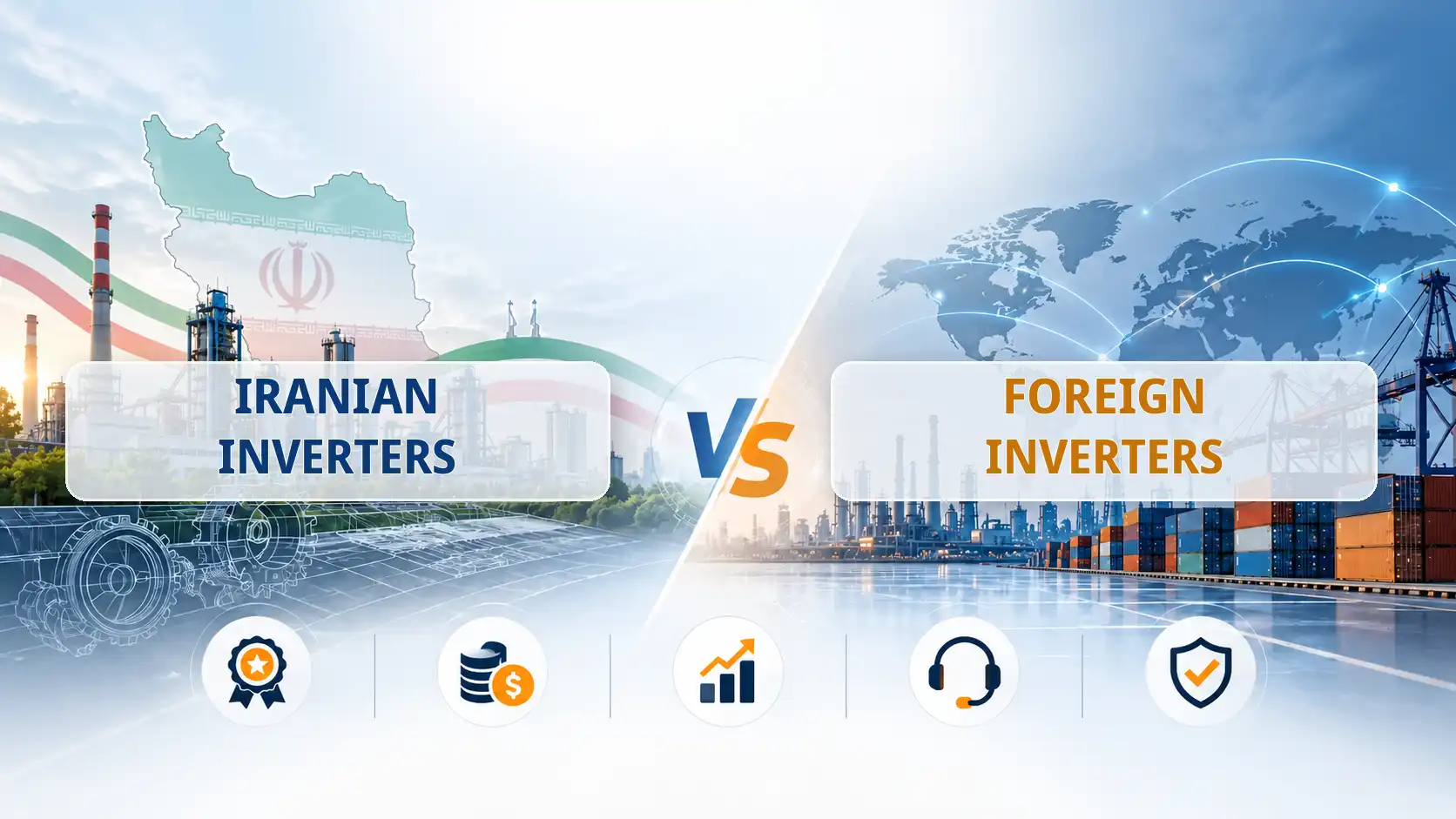
اینورتر ایرانی یا خارجی؟ مقایسه واقعی درایو ایرانی و خارجی از نظر کیفیت، عملکرد و هزینه
انتخاب بین اینورتر ایرانی یا خارجی یکی از تصمیمهای مهم هنگام خرید تجهیزات کنترل دور موتور است. بسیاری از خریداران هنوز تصور میکنند درایوهای خارجی به دلیل سابقه حضور در بازارهای بینالمللی، الزاماً کیفیت بالاتری دارند. در مقابل، محصول ایرانی ممکن است از نظر هزینه خرید، دسترسی به قطعات و خدمات پس از فروش مزایای بیشتری داشته باشد.
اما آیا اینورتر خارجی همیشه عملکرد بهتری دارد؟ آیا درایو ایرانی میتواند نیاز ماشینآلات صنعتی، پمپهای آب، بالابرها و سیستمهای اتوماسیون را بهخوبی تأمین کند؟
پاسخ به این پرسشها به مشخصات فنی دستگاه، شرایط کاری موتور و هزینههای بلندمدت استفاده بستگی دارد. در این مقاله، مقایسه اینورتر ایرانی و خارجی را بر اساس معیارهای واقعی مانند توان و جریان خروجی، کنترل گشتاور، بازده انرژی، هزینه مالکیت و خدمات فنی بررسی میکنیم.
اینورتر ایرانی بهتر است یا خارجی؟ پاسخ کوتاه
اگر یک اینورتر ایرانی مشخصات فنی، الزامات ایمنی و قابلیتهای موردنیاز پروژه را تأمین کند، در بسیاری از کاربردهای صنعتی ایران میتواند انتخاب بهتری باشد. دلیل این موضوع فقط قیمت اولیه نیست؛ دسترسی به پشتیبانی فنی، امکان پیگیری تعمیرات و کاهش وابستگی به تأمین قطعات وارداتی نیز در تصمیم خرید نقش دارند.
البته برای پروژههایی که به پروتکل ارتباطی خاص، گواهی تخصصی یا قابلیت کنترلی ویژهای نیاز دارند، باید مشخصات هر مدل بهصورت مستقل بررسی شود.
به بیان ساده، بهترین اینورتر دستگاهی است که نیاز فنی پروژه را با هزینه مالکیت منطقی و خدمات قابلاعتماد تأمین کند. در بسیاری از کاربردهای متداول صنعتی، یک محصول ایرانی مناسب میتواند این شرایط را فراهم کند.
تفاوت درایو ایرانی و خارجی چیست؟
درایو یا اینورتر کنترل دور موتور (VFD)، تجهیزی الکترونیکی است که با تغییر فرکانس و ولتاژ خروجی، سرعت و عملکرد الکتروموتور را کنترل میکند.
هر دو گروه درایو ایرانی و خارجی میتوانند از اصول مشابه الکترونیک قدرت و روشهای کنترل موتور استفاده کنند. بنابراین، تفاوت اصلی آنها الزاماً در نحوه عملکرد نیست؛ بلکه بیشتر به امکانات هر مدل، خدمات فنی و شرایط استفاده مربوط میشود.
جدول مقایسه اینورتر ایرانی و خارجی
| معیار مقایسه | اینورتر ایرانی | اینورتر خارجی |
|---|---|---|
| کنترل سرعت موتور | متناسب با الگوریتم و مشخصات مدل | متناسب با الگوریتم و مشخصات مدل |
| کنترل گشتاور | در مدلهای دارای کنترل برداری | در مدلهای دارای کنترل برداری |
| قیمت خرید | امکان صرفه اقتصادی در بازار داخل | متأثر از هزینه واردات و نرخ ارز |
| خدمات پس از فروش | امکان ارتباط مستقیمتر با تولیدکننده | وابسته به نمایندگی و تأمینکننده |
| تأمین قطعات | امکان پیگیری از شبکه خدمات داخلی | وابسته به موجودی قطعات و شرایط واردات |
| راهاندازی و آموزش | امکان دسترسی به راهنمای فارسی و پشتیبانی داخلی | وابسته به مستندات و خدمات تأمینکننده |
| شخصیسازی نرمافزار | در برخی محصولات با همکاری تولیدکننده | وابسته به سیاست توسعهدهنده محصول |
| کاربردهای تخصصی | مدلهای صنعتی، پمپی، خورشیدی و بالابر | مدلهای عمومی و تخصصی متنوع |
این جدول نشان میدهد که هیچیک از دو گروه صرفاً به دلیل کشور سازنده برتری فنی قطعی ندارند. برای نتیجهگیری معتبر باید دو دستگاه همرده، در شرایط کاری یکسان بررسی شوند.
مقایسه کیفیت و عملکرد فنی اینورتر ایرانی و خارجی
مهمترین معیار کیفیت یک اینورتر، توانایی آن در کنترل پایدار و متناسب موتور در شرایط واقعی کار است.
در یک درایو صنعتی، ویژگیهایی مانند جریان خروجی، ظرفیت اضافهبار، روش کنترل موتور، دقت کنترل سرعت و گشتاور و حفاظتهای الکتریکی اهمیت بیشتری از محل ساخت دارند.
بررسی اطلاعات فنی محصولات تولید داخل نشان میدهد که برخی از درایوهای ایرانی دارای امکاناتی مانند کنترل V/F، کنترل برداری بدون سنسور، تنظیم خودکار مشخصات موتور (Auto Tune)، کنترلر PID و ارتباط صنعتی Modbus هستند.
این قابلیتها در بسیاری از کاربردهای متداول، از جمله نوار نقاله، فن، میکسر و ماشینآلات تولیدی کاربرد دارند.
بررسی مشخصات واقعی یک اینورتر صنعتی ایرانی
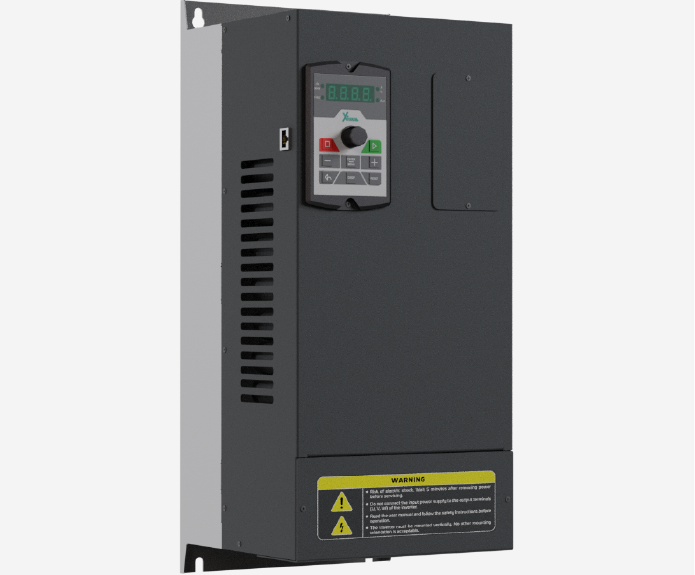
برای اینکه مقایسه فقط بر اساس ادعاهای عمومی نباشد، مشخصات یک نمونه صنعتی ایرانی با توان نامی ۱۱ کیلووات و ورودی سهفاز را بررسی میکنیم.
اطلاعات زیر از جدول مشخصات فنی منتشرشده برای این محصول استخراج شدهاند.
| مشخصه فنی | نمونه صنعتی ایرانی | معیار مقایسه با نمونه خارجی همرده |
|---|---|---|
| توان نامی | ۱۱ کیلووات | توان نامی معادل و سازگار با نوع بار |
| ولتاژ ورودی | سهفاز ۳۸۰ ولت | تطبیق با برق محل نصب |
| جریان خروجی نامی | ۲۶ آمپر | جریان نامی کافی برای موتور انتخابی |
| روش کنترل | V/F و کنترل برداری بدون سنسور | مقایسه الگوریتمها و دقت کنترل |
| ظرفیت اضافهبار | در مشخصات خانواده محصول، ۱۵۰٪ اعلام شده است | بررسی منحنی اضافهبار و مدت تحمل |
| بازده تبدیل انرژی | بیش از ۹۷٫۵٪ در شرایط آزمون اعلامشده | مقایسه بازده در شرایط آزمون یکسان |
| ارتباط صنعتی | Modbus از طریق RS-485 | سازگاری با شبکه کنترلی پروژه |
| درجه حفاظت بدنه | IP20 | تناسب با محیط نصب و تابلو |
| محدوده دمای محیط | بیشتر از ۱۰- و کمتر از ۵۰ درجه سانتیگراد | بررسی شرایط دمایی و کاهش ظرفیت |
منبع اطلاعات: جدول مشخصات فنی درایوهای صنعتی
این اعداد به یک خانواده محصول مشخص تعلق دارند و نباید به تمام اینورترهای ایرانی تعمیم داده شوند.
درباره اضافهبار نیز یک نکته فنی مهم وجود دارد: در راهنمای رسمی همین خانواده، برای جریان ۱۵۰ درصد نامی، زمان تحمل از شروع سرد ۶۰ ثانیه و از حالت بار نامی ۱۵ ثانیه درج شده است. بنابراین، عبارت «اضافهبار ۱۵۰ درصد» بهتنهایی برای مقایسه کافی نیست و شرایط اولیه بار باید بررسی شود.
همچنین بازده بیش از ۹۷٫۵ درصد در شرایط PF=1 و برابر بودن ولتاژ خروجی و ورودی اعلام شده است. این مقدار نشاندهنده یک مشخصه فنی محصول است، نه اثبات مصرف برق کمتر نسبت به تمام درایوهای خارجی.
جزئیات شرایط آزمون و اضافهبار در دفترچه راهنمای فنی سری صنعتی قابل بررسی است.
چگونه دو اینورتر ایرانی و خارجی را از نظر کیفیت مقایسه کنیم؟
برای مقایسه دقیق، ابتدا باید دو دستگاه با توان، ولتاژ و کاربرد مشابه انتخاب شوند. سپس جریان خروجی نامی، توانایی کنترل موتور در سرعت پایین، ظرفیت اضافهبار و حفاظتهای دستگاه بررسی شود.
برای مثال، اگر یک موتور به جریان نامی ۲۵ آمپر نیاز داشته باشد، درایوی که جریان خروجی آن کمتر از مقدار موردنیاز است، صرفنظر از ایرانی یا خارجی بودن، انتخاب مناسبی نخواهد بود.
در بارهای سنگین نیز باید مشخص شود دستگاه چه میزان اضافهبار را برای چه مدتی تحمل میکند. مدت تحمل اضافهبار از حالت سرد ممکن است با شرایطی که موتور از قبل زیر بار نامی کار کرده متفاوت باشد.
بنابراین، وجود کنترل برداری یا بازده بالا در مشخصات یک دستگاه، بهتنهایی برتری آن را اثبات نمیکند؛ اما نشان میدهد آن محصول از قابلیتهای فنی مهمی برخوردار است.
در نتیجه، اینورتر ایرانی میتواند از نظر عملکرد گزینه مناسبی باشد، به شرط آنکه ویژگیهای واقعی مدل انتخابی با الزامات پروژه تطبیق داشته باشند.
مقایسه قیمت درایو ایرانی و خارجی؛ کدام اقتصادیتر است؟
قیمت یکی از مهمترین عوامل انتخاب درایو است، اما مقایسه اقتصادی فقط با بررسی مبلغ خرید کامل نمیشود.
درایو خارجی ممکن است به دلیل هزینههای واردات، نوسانات نرخ ارز و شرایط تأمین قطعات با هزینههای جانبی بیشتری همراه باشد. در مقابل، خرید از تولیدکننده داخلی میتواند امکان پیگیری مستقیم خدمات و استعلام قطعات را فراهم کند.
البته این موضوع به معنی ارزانتر بودن قطعی تمام محصولات ایرانی نیست. برای مقایسه منصفانه باید قیمت دو مدل همرده در یک زمان مشخص استعلام شود.
هزینه کل مالکیت اینورتر چگونه محاسبه میشود؟
در صنایع، هزینه واقعی یک درایو تنها مبلغ فاکتور خرید نیست. هزینه نصب، مصرف انرژی، تعمیرات احتمالی و توقف تجهیزات نیز اهمیت دارد.
فرمول ساده هزینه مالکیت به این شکل است:
هزینه کل مالکیت = قیمت خرید + نصب و راهاندازی + هزینه انرژی + تعمیر و نگهداری + هزینه توقف احتمالی تجهیزات
برای مثال، فرض کنید اینورتر یک خط تولید دچار خرابی شده است. اگر برای تأمین قطعه یا تعمیر دستگاه چند روز زمان نیاز باشد، هزینه توقف تولید ممکن است از مبلغ تعمیر بیشتر شود.
برای محاسبه این بخش میتوان از رابطه زیر استفاده کرد:
هزینه توقف تولید = ساعات توقف دستگاه × زیان مالی هر ساعت توقف
در چنین شرایطی، دستگاهی که امکان دریافت خدمات و قطعات موردنیاز را سریعتر فراهم کند، ممکن است در بلندمدت اقتصادیتر باشد؛ حتی اگر قیمت خرید اولیه دو دستگاه تفاوت زیادی نداشته باشد.
آیا درایو ایرانی همیشه هزینه نگهداری کمتری دارد؟
خیر. هزینه واقعی نگهداری به میزان خرابی، قیمت قطعات، شرایط کارکرد و کیفیت خدمات بستگی دارد.
با این حال، در شرایطی که دو درایو عملکرد فنی مشابهی دارند، دسترسی مستقیم به خدمات داخلی و امکان کاهش زمان خواب تجهیزات میتواند مزیت اقتصادی مهمی برای نمونه ایرانی ایجاد کند.
به همین دلیل، هنگام خرید اینورتر ایرانی یا خارجی بهتر است علاوه بر قیمت، مدت گارانتی، شرایط تعمیر، زمان تأمین قطعات و هزینه احتمالی توقف تجهیزات نیز بررسی شود.
خدمات پس از فروش؛ مزیت مهم درایو ایرانی در بازار ایران
یکی از مهمترین تفاوتهای کاربردی درایو ایرانی و خارجی، شرایط دسترسی به خدمات فنی است.
بسیاری از مشکلات درایوها به تنظیمات نادرست، انتخاب ظرفیت نامناسب، سیمکشی اشتباه یا شرایط غیراصولی نصب مربوط میشوند. در این موارد، دسترسی به کارشناس فنی آشنا با محصول میتواند روند عیبیابی را سادهتر کند.
بررسی تعهدات خدماتی یکی از تولیدکنندگان داخلی نشان میدهد که امکانات زیر برای محصولات آن مجموعه اعلام شده است:
| نوع خدمت | شرایط اعلامشده |
|---|---|
| گارانتی تعویض | ۲۴ ماه |
| خدمات پس از فروش | ۱۰ سال |
| پشتیبانی تلفنی | هفت روز هفته، حتی روزهای تعطیل، از ساعت ۹ تا ۲۱ |
| مرجوعی کالا | تا ۷ روز مطابق ضوابط |
| آموزش فنی | آموزش تخصصی نصب و راهاندازی درایو |
| دستگاه جایگزین | تحویل مطابق شرایط اعلامشده خدمات |
این موارد تعهدات یک تولیدکننده مشخص هستند و نمیتوان آنها را به همه درایوهای ایرانی تعمیم داد.
با این حال، وجود گارانتی شفاف و پشتیبانی قابلدسترس نشان میدهد که هنگام انتخاب تجهیزات صنعتی، شرایط خدمات پس از فروش باید به اندازه ویژگیهای فنی جدی گرفته شود.
در مورد درایو خارجی نیز کیفیت خدمات به اعتبار نمایندگی، موجودی قطعات، شرایط گارانتی و توانایی تیم فنی تأمینکننده بستگی دارد.
بنابراین، اگر دو دستگاه نیاز فنی پروژه را بهخوبی تأمین کنند، گزینهای که خدمات مطمئنتر و قابلدسترستری ارائه میدهد میتواند انتخاب منطقیتری باشد.
جزئیات این تعهدات در صفحه خدمات پس از فروش و پشتیبانی فنی قابل بررسی است.
درایو ایرانی یا خارجی برای کاربردهای مختلف صنعتی؟
انتخاب درایو به نوع ماشینآلات و شرایط کاری موتور بستگی دارد. یک اینورتر مناسب پمپ آب لزوماً برای کنترل جرثقیل یا بالابر انتخاب مناسبی نیست.
به همین دلیل، پیش از انتخاب کشور سازنده، باید کاربرد دستگاه و قابلیتهای موردنیاز آن مشخص شود.
اینورتر ایرانی برای پمپ آب و بوسترپمپ
در سیستمهای پمپاژ، کنترل فشار، محافظت در برابر بیآبی و عملکرد مناسب هنگام کاهش مصرف اهمیت زیادی دارند.
برخی از درایوهای پمپی تولید داخل دارای امکاناتی مانند کنترلر PID، تشخیص بیآبی (Dry Run)، حالت خواب (Sleep) و کنترل همزمان چند پمپ هستند.
برای مثال، در مشخصات یک خانواده پمپی داخلی، امکان کنترل حداکثر ۵ پمپ دورمتغیر و ۱۱ پمپ دورثابت با استفاده از تجهیزات جانبی مرتبط اعلام شده است.
این امکانات نشان میدهند که درایو ایرانی میتواند برای بسیاری از سیستمهای آبرسانی و بوسترپمپ، گزینهای تخصصی و قابل بررسی باشد.
برای شناخت بیشتر این قابلیتها میتوانید ویژگیهای درایوهای تخصصی پمپ و راهنمای انتخاب اینورتر برای پمپ آب را مطالعه کنید.
اینورتر ایرانی برای نوار نقاله و ماشینآلات صنعتی
در ماشینآلاتی مانند نوار نقاله، میکسر و تجهیزات تولیدی، کنترل شتاب، سرعت و گشتاور اهمیت دارد.
بعضی از درایوهای صنعتی ایرانی از الگوریتمهای V/F و کنترل برداری بدون سنسور پشتیبانی میکنند و دارای قابلیتهایی مانند Auto Tune، تقویت گشتاور و حفاظتهای موتور هستند.
این امکانات میتوانند برای بسیاری از کاربردهای عمومی صنعتی مناسب باشند؛ اما انتخاب مدل باید بر اساس جریان موتور و شرایط واقعی بار انجام شود.
برای مثال، راهاندازی نوار نقاله بدون بار با راهاندازی دستگاهی که بار سنگین را از حالت سکون جابهجا میکند، نیازهای یکسانی ندارد.
بنابراین، در چنین کاربردهایی انتخاب درایو ایرانی زمانی مناسب است که ظرفیت خروجی، گشتاور راهاندازی و توانایی تحمل اضافهبار آن با نیاز ماشین هماهنگ باشد.
درایو ایرانی برای آسانسور، جرثقیل و بالابر
در کاربردهای بالابر، کنترل دقیق حرکت، گشتاور در سرعت پایین، توقف مناسب و هماهنگی با ترمز اهمیت ویژهای دارد.
بررسی مشخصات درایوهای تخصصی داخلی نشان میدهد که برخی از آنها از کنترل حلقهباز و حلقهبسته، تنظیم خودکار موتور و قابلیتهای مرتبط با فیدبک انکودر پشتیبانی میکنند.
این امکانات میتوانند برای کاربردهای بالابر و آسانسور مفید باشند؛ با این حال، انتخاب درایو نباید صرفاً بر اساس توان موتور انجام شود.
در چنین سیستمهایی، سازگاری با تابلو فرمان، انکودر، موتور، مدار ترمز و الزامات ایمنی باید توسط فرد متخصص بررسی شود.
درایو کنترل دور نیز جایگزین تجهیزات و مدارهای ایمنی مستقل دستگاه نیست.
درایو ایرانی برای پمپ خورشیدی
در برخی از سامانههای پمپاژ، برق موردنیاز از پنلهای خورشیدی تأمین میشود. این کاربرد به درایوی نیاز دارد که با منبع انرژی و شرایط کاری پمپ سازگار باشد.
در یکی از خانوادههای پمپ خورشیدی تولید داخل، امکان پمپاژ بدون باتری و استفاده از برق شهری یا ژنراتور بهعنوان منبع پشتیبان پیشبینی شده است.
این قابلیت نشان میدهد که تولیدات داخلی تنها به درایوهای صنعتی عمومی محدود نیستند و برای کاربردهای تخصصی نیز توسعه یافتهاند.
در انتخاب نهایی باید مشخصات آرایه خورشیدی، محدوده ولتاژ مجاز، توان پمپ و شرایط راهاندازی بررسی شود.
جدول انتخاب درایو ایرانی یا خارجی بر اساس کاربرد
| نوع کاربرد | معیار اصلی انتخاب | پیشنهاد |
|---|---|---|
| پمپ و بوسترپمپ | کنترل فشار، PID، تشخیص بیآبی | درایو ایرانی تخصصی در صورت تأمین قابلیتهای پروژه |
| نوار نقاله و میکسر | گشتاور، جریان خروجی و اضافهبار | مدل صنعتی ایرانی متناسب با نوع بار |
| فن و تهویه صنعتی | کنترل سرعت و عملکرد پایدار | مقایسه دو مدل همرده؛ گزینه ایرانی با خدمات مناسب قابل ترجیح است |
| آسانسور و بالابر | کنترل حرکت، انکودر، ترمز و ایمنی | انتخاب مدل تخصصی پس از تأیید سازگاری |
| پمپ خورشیدی | سازگاری با منبع انرژی و موتور | درایو خورشیدی متناسب با سامانه |
| اتوماسیون پیشرفته | پروتکل خاص و یکپارچگی تجهیزات | مدلی که تمام الزامات ارتباطی را تأمین کند |
این جدول نشان میدهد که در بسیاری از کاربردهای صنعتی میتوان ابتدا گزینههای داخلی را بررسی کرد و در صورت تأمین الزامات فنی، از مزایای خدماتی و اقتصادی آنها بهره برد.
معایب اینورتر ایرانی چیست؟
برای داشتن یک مقایسه واقعی، شناخت محدودیتهای احتمالی درایو ایرانی نیز ضروری است.
محدودیت در برخی امکانات ارتباطی
بعضی از درایوهای ایرانی از ارتباط Modbus پشتیبانی میکنند؛ اما ممکن است پروژه به پروتکل دیگری نیاز داشته باشد. در چنین شرایطی باید سازگاری مدل موردنظر با شبکه صنعتی بررسی شود.
محدودیت شرایط نصب
برای مثال، درجه حفاظت IP20 در برخی مدلهای داخلی به معنی مناسببودن دستگاه برای نصب مستقیم در فضای مرطوب یا در معرض پاشش آب نیست.
این درایوها باید در محیط یا تابلو مناسب نصب شوند. البته همین محدودیت برای محصولات خارجی دارای درجه حفاظت مشابه نیز وجود دارد.
همچنین در دماها یا ارتفاعهای مشخص ممکن است کاهش ظرفیت خروجی (Derating) لازم باشد؛ بنابراین شرایط محیطی درجشده در دفترچه هر مدل باید رعایت شود.
الزامات خاص پروژههای صنعتی
بعضی پروژهها به گواهیهای تخصصی، امکانات ایمنی ویژه یا سازگاری با تجهیزات نصبشده قبلی نیاز دارند.
در چنین مواردی، اگر مدل ایرانی موردنظر نتواند الزامات را تأمین کند، استفاده از یک محصول خارجی مناسب توجیه فنی خواهد داشت.
تفاوت کیفیت بین تولیدکنندگان
تمام اینورترهای ایرانی امکانات و کیفیت یکسانی ندارند؛ همانطور که تمام محصولات خارجی نیز از نظر عملکرد و دوام در یک سطح نیستند.
برای انتخاب درست باید مشخصات فنی، مستندات، شرایط گارانتی، تجربه بهرهبرداری و اعتبار خدمات هر مدل بررسی شود.
شناخت این محدودیتها باعث میشود انتخاب درایو بر اساس نیاز واقعی انجام شود، نه تصور کلی درباره کشور سازنده.
چه زمانی اینورتر خارجی انتخاب بهتری است؟
در برخی پروژهها، خرید اینورتر خارجی ممکن است ضروری یا مناسبتر باشد.
برای مثال، اگر خط تولید از قبل بر اساس یک مدل مشخص طراحی شده و تغییر درایو نیازمند اصلاح نرمافزار، بازطراحی تابلو یا اعتبارسنجی مجدد تجهیزات باشد، حفظ همان مدل میتواند ریسک فنی کمتری داشته باشد.
همچنین ممکن است یک دستگاه خارجی قابلیت ارتباطی، عملکرد کنترلی یا گواهی موردنیاز پروژه را ارائه دهد که در گزینه داخلی بررسیشده موجود نیست.
با این حال، وجود چنین شرایطی به معنی برتری عمومی درایو خارجی نیست. انتخاب باید بر اساس نیاز فنی مشخص انجام شود.
اگر هر دو گزینه از نظر عملکرد و ایمنی مناسب باشند، دسترسی به خدمات فنی داخلی و هزینههای نگهداری میتواند تصمیم را به نفع اینورتر ایرانی تغییر دهد.
آیا اینورتر ایرانی مصرف برق بیشتری نسبت به خارجی دارد؟
مصرف انرژی یک سیستم به نوع موتور، بار مکانیکی، بازده درایو، شیوه کنترل و الگوی بهرهبرداری بستگی دارد.
به همین دلیل، نمیتوان گفت تمام اینورترهای ایرانی مصرف برق بیشتر یا کمتری نسبت به نمونههای خارجی دارند.
برای مقایسه دقیق باید بازده دو دستگاه در شرایط بار و آزمون یکسان اندازهگیری شود.
در کاربردهایی مانند پمپها و فنهای سانتریفیوژ، تنظیم مناسب سرعت موتور میتواند مصرف انرژی سیستم را کاهش دهد؛ اما میزان صرفهجویی به شرایط واقعی سامانه بستگی دارد.
پس هنگام خرید، بهجای مقایسه صرفاً بر اساس کشور سازنده، بازده اعلامشده، شرایط اندازهگیری و تناسب روش کنترل با نوع بار را بررسی کنید.
راهنمای خرید؛ چگونه بین درایو ایرانی و خارجی انتخاب کنیم؟
پیش از تصمیم نهایی، اطلاعات زیر را برای هر دو گزینه کنار هم قرار دهید.
| مرحله | موضوع بررسی | دلیل اهمیت |
|---|---|---|
| ۱ | پلاک موتور و جریان نامی | جلوگیری از انتخاب ظرفیت نامناسب |
| ۲ | برق ورودی و ولتاژ خروجی | اطمینان از سازگاری الکتریکی |
| ۳ | نوع بار و شرایط راهاندازی | بررسی گشتاور و ظرفیت اضافهبار |
| ۴ | قابلیتهای کنترلی و حفاظتی | تأمین الزامات پروژه |
| ۵ | قیمت، گارانتی و خدمات | محاسبه هزینه واقعی مالکیت |
اگر مشخصات فنی دو دستگاه مشابه است، بهتر است از هر دو تأمینکننده درباره زمان تعمیر، شرایط تأمین قطعات و مدت گارانتی استعلام بگیرید.
برای بررسی جزئیات بیشتر انتخاب ظرفیت و نوع درایو میتوانید راهنمای انتخاب اینورتر صنعتی بر اساس توان و جریان موتور را مطالعه کنید.
سؤالات متداول درباره اینورتر ایرانی و خارجی
آیا کیفیت اینورتر ایرانی با خارجی قابل مقایسه است؟
بله. برخی از اینورترهای ایرانی دارای قابلیتهایی مانند کنترل برداری، Auto Tune، کنترل PID، ارتباط صنعتی و حفاظتهای پیشرفته هستند. با این حال، برای مقایسه کیفیت دو دستگاه مشخص باید عملکرد و دوام آنها در شرایط یکسان بررسی شود.
آیا درایو ایرانی برای کارکرد طولانیمدت صنعتی مناسب است؟
مدلهایی که برای کاربرد صنعتی طراحی شدهاند میتوانند در محدوده شرایط کاری اعلامشده سازنده استفاده شوند. انتخاب ظرفیت مناسب، تهویه تابلو، نصب صحیح و رعایت دستورالعمل نگهداری برای عملکرد پایدار ضروری است.
آیا قیمت اینورتر ایرانی از خارجی کمتر است؟
این موضوع به توان، امکانات، مدل و شرایط بازار بستگی دارد. برای مقایسه اقتصادی باید قیمت روز دو محصول همرده را همراه با هزینه نصب، تعمیرات و خدمات پس از فروش بررسی کرد.
آیا درایو ایرانی قابلیت کنترل دقیق سرعت موتور را دارد؟
بله. برخی از مدلهای صنعتی داخلی از کنترل برداری، تنظیم خودکار موتور و امکانات کنترلی پیشرفته پشتیبانی میکنند. میزان دقت واقعی به الگوریتم دستگاه، نوع موتور، تنظیمات و شرایط بار بستگی دارد.
آیا قطعات درایو ایرانی آسانتر تأمین میشوند؟
تولید داخل میتواند امکان پیگیری مستقیم خدمات و قطعات را فراهم کند؛ اما موجودی واقعی قطعات باید از تأمینکننده استعلام شود. این مزیت نباید بدون بررسی به تمام مدلهای ایرانی تعمیم داده شود.
آیا درایو ایرانی برای پمپ آب مناسب است؟
بله. برخی مدلهای تخصصی داخلی دارای قابلیتهایی مانند کنترل فشار، PID، تشخیص بیآبی و حالت خواب هستند. انتخاب نهایی باید با توجه به توان پمپ، جریان موتور و شرایط سامانه آبرسانی انجام شود.
در نهایت، اینورتر ایرانی بهتر است یا خارجی؟
اگر درایو ایرانی از نظر توان، جریان، کنترل موتور، حفاظت و الزامات ایمنی پاسخگوی پروژه باشد، دسترسی آسانتر به خدمات داخلی و امکان کاهش هزینههای نگهداری میتواند آن را به گزینه مناسبتری تبدیل کند. در پروژههای دارای الزامات خاص نیز باید مدلهای موجود را جداگانه بررسی کرد.
جمعبندی؛ چرا اینورتر ایرانی میتواند انتخاب بهتری باشد؟
مقایسه اینورتر ایرانی و خارجی نشان میدهد که کشور سازنده بهتنهایی معیار مناسبی برای قضاوت درباره کیفیت یک درایو نیست.
آنچه اهمیت دارد، تناسب مشخصات فنی با نیاز پروژه، عملکرد قابلاعتماد موتور، هزینه کل مالکیت و دسترسی به خدمات پس از فروش است.
بررسی اطلاعات واقعی محصولات تولید داخل نشان میدهد که برخی از درایوهای ایرانی به قابلیتهایی مانند کنترل برداری، تنظیم خودکار موتور، حفاظتهای الکتریکی، ارتباط صنعتی و امکانات تخصصی پمپ و بالابر مجهز هستند.
از طرف دیگر، پشتیبانی فنی قابلدسترس، امکان پیگیری مستقیم تعمیرات و کاهش وابستگی به تأمین قطعات وارداتی، مزایایی هستند که در شرایط بازار ایران اهمیت زیادی دارند.
در نتیجه، برای بسیاری از پروژههای صنعتی، پمپی و ماشینسازی در ایران، اینورتر ایرانی در صورت تأمین الزامات فنی و ایمنی پروژه، به دلیل امکانات مناسب، خدمات قابلدسترس و امکان کنترل بهتر هزینههای نگهداری، انتخابی منطقیتر و اقتصادیتر محسوب میشود.
بنابراین، پیش از خرید اینورتر خارجی، بهتر است مشخصات نمونههای ایرانی را نیز بررسی کنید؛ زیرا در بسیاری از کاربردهای متداول، میتوان راهکاری مناسب و قابلاتکا را در میان محصولات داخلی پیدا کرد.
برای انتخاب مدل مناسب، میتوانید مشخصات پلاک موتور، نوع برق محل نصب و شرایط کاری دستگاه را از طریق بخش مشاوره و ارتباط با کارشناسان فنی ارسال کنید.
Iranian or Foreign Inverters? A Real Comparison of Drive Quality, Performance, and Cost
Choosing between an Iranian or foreign inverter is an important decision when purchasing motor speed control equipment. Many buyers still assume that foreign drives are necessarily better because of their longer presence in international markets. On the other hand, Iranian-made products may offer advantages in purchase costs, spare parts availability, and after-sales support.
But does a foreign inverter always deliver better performance? Can an Iranian drive effectively meet the requirements of industrial machinery, water pumps, lifting equipment, and automation systems?
The answers depend on the drive’s technical specifications, motor operating conditions, and long-term ownership costs. In this article, we provide a detailed comparison of Iranian and foreign inverters, focusing on practical criteria such as rated power and output current, torque control, energy efficiency, total cost of ownership, and technical support.
Iranian or Foreign Inverter: Which Is Better? The Short Answer
If an Iranian inverter meets a project’s technical specifications, safety requirements, and operational needs, it can be the better choice for many industrial applications in Iran. This advantage is not limited to the initial purchase price. Access to technical support, easier follow-up on repairs, and reduced dependence on imported spare parts also play an important role in the purchasing decision.
However, projects requiring specific communication protocols, specialized certifications, or advanced control functions must be evaluated individually to ensure that the selected model meets all requirements.
Simply put, the best inverter is the one that meets the project’s technical needs while offering a reasonable total cost of ownership and reliable support. For many common industrial applications, a suitable Iranian-made product can meet these expectations.
What Is the Difference Between Iranian and Foreign Drives?
A motor drive, also known as an inverter or variable frequency drive (VFD), is an electronic device that controls the speed and operation of an electric motor by adjusting its output frequency and voltage.
Both Iranian and foreign drives can use similar power electronics principles and motor control methods. Therefore, their main differences are not necessarily related to how they operate. Instead, the differences often involve the features of each model, technical support, and operating conditions.
Iranian vs. Foreign Inverters: Key Comparisons
- Motor speed control
Iranian Inverter: Depends on the model’s control algorithms and specifications
Foreign Inverter: Depends on the model’s control algorithms and specifications - Torque control
Iranian Inverter: Available in models equipped with vector control
Foreign Inverter: Available in models equipped with vector control - Purchase price
Iranian Inverter: Potentially more cost-effective in the domestic market
Foreign Inverter: Affected by import costs and exchange rates - After-sales service
Iranian Inverter: Potentially more direct access to the domestic manufacturer
Foreign Inverter: Depends on the distributor and service provider - Spare parts availability
Iranian Inverter: Parts and service can be arranged through domestic support networks
Foreign Inverter: Depends on inventory and import conditions - Installation and training
Iranian Inverter: Access to Persian-language manuals and local technical support may be available
Foreign Inverter: Depends on documentation and supplier services - Software customization
Iranian Inverter: Possible through cooperation with the manufacturer for certain products
Foreign Inverter: Depends on the manufacturer’s development policies - Specialized applications
Iranian Inverter: Industrial, pump, solar, and lifting drive models are available
Foreign Inverter: A wide range of general-purpose and specialized models is available
This comparison shows that neither category has an automatic technical advantage simply because of its country of origin. A valid assessment requires comparing equivalent drive models under the same operating conditions.
Comparing the Quality and Technical Performance of Iranian and Foreign Inverters
The most important measure of inverter quality is its ability to provide stable, appropriate motor control under actual operating conditions.
For an industrial drive, factors such as rated output current, overload capacity, motor control method, speed and torque control accuracy, and electrical protection features are more important than where the product is manufactured.
Technical specifications published for domestically manufactured products show that some Iranian drives offer features such as V/F control, sensorless vector control, automatic motor parameter tuning (Auto Tune), PID control, and Modbus industrial communication.
These capabilities are useful in many common applications, including conveyor belts, fans, mixers, and production machinery.
Examining the Actual Specifications of an Iranian Industrial Inverter
To avoid relying solely on general claims, let’s examine the published specifications of an Iranian industrial inverter rated at 11 kW with a three-phase power input.
The following information is taken from the product’s published technical specifications.
- Rated power
Iranian Industrial Inverter: 11 kW
Criteria for Comparing an Equivalent Foreign Model: Equivalent rated power suitable for the load type - Input voltage
Iranian Industrial Inverter: 380 V, three-phase
Criteria for Comparing an Equivalent Foreign Model: Compatibility with the available power supply - Rated output current
Iranian Industrial Inverter: 26 A
Criteria for Comparing an Equivalent Foreign Model: Sufficient rated current for the selected motor - Control method
Iranian Industrial Inverter: V/F and sensorless vector control
Criteria for Comparing an Equivalent Foreign Model: Comparison of control algorithms and control accuracy - Overload capacity
Iranian Industrial Inverter: 150% stated in the product family’s specifications
Criteria for Comparing an Equivalent Foreign Model: Review of the overload curve and allowable duration - Energy conversion efficiency
Iranian Industrial Inverter: Above 97.5% under the specified test conditions
Criteria for Comparing an Equivalent Foreign Model: Efficiency comparison under identical test conditions - Industrial communication
Iranian Industrial Inverter: Modbus via RS-485
Criteria for Comparing an Equivalent Foreign Model: Compatibility with the project’s control network - Enclosure protection rating
Iranian Industrial Inverter: IP20
Criteria for Comparing an Equivalent Foreign Model: Suitability for the installation environment and electrical cabinet - Ambient temperature range
Iranian Industrial Inverter: Above -10°C and below 50°C
Criteria for Comparing an Equivalent Foreign Model: Assessment of temperature limits and required derating
Source: Industrial drive technical specifications
These figures refer to a specific product family and should not be generalized to all Iranian inverters.
There is also an important technical detail regarding overload capacity. According to the official manual for this drive family, at 150% of rated current, the allowable overload duration is 60 seconds from a cold start and 15 seconds when starting from rated load. Therefore, simply stating that a drive supports a “150% overload” is not enough for an accurate comparison. The initial load conditions must also be considered.
The reported efficiency of more than 97.5% is based on conditions where PF = 1 and the output voltage equals the input voltage. This figure represents a published technical specification of the product; it does not prove that the drive consumes less electricity than every foreign alternative.
Further details about testing conditions and overload performance are available in the industrial drive technical manual.
How Should You Compare the Quality of Iranian and Foreign Inverters?
For an accurate comparison, start by selecting two drives with similar power ratings, voltage specifications, and intended applications. Then evaluate their rated output current, low-speed motor control capabilities, overload capacity, and electrical protection features.
For example, if a motor requires a rated current of 25 A, an inverter with an output current below the required value would not be a suitable choice, regardless of whether it is Iranian or foreign.
For heavy-duty applications, it is also necessary to determine how much overload the drive can withstand and for how long. The allowable overload duration from a cold start may differ from the duration available when the motor has already been operating at its rated load.
Therefore, the presence of vector control or high efficiency alone does not prove that one inverter is superior to another. However, these specifications indicate that the product offers important technical capabilities.
An Iranian inverter can therefore be a suitable option in terms of performance, provided that the selected model’s actual specifications match the project’s requirements.
Iranian vs. Foreign Drive Prices: Which Is More Cost-Effective?
Price is one of the most important factors when selecting a drive, but a meaningful economic comparison involves more than the initial purchase cost.
Foreign drives may involve additional expenses due to import costs, exchange rate fluctuations, and spare parts supply conditions. In contrast, purchasing from a domestic manufacturer may provide more direct access to technical services and spare parts inquiries.
However, this does not mean that every Iranian inverter is necessarily cheaper. A fair price comparison requires obtaining quotations for two equivalent models at the same point in time.
How Is the Total Cost of Ownership of an Inverter Calculated?
In industrial environments, the true cost of a drive goes beyond its invoice price. Installation expenses, energy consumption, potential repairs, and equipment downtime also matter.
A simplified total cost of ownership formula is:
Total Cost of Ownership = Purchase Price + Installation and Commissioning + Energy Costs + Maintenance and Repairs + Potential Equipment Downtime Costs
For example, imagine that an inverter operating on a production line develops a fault. If obtaining a replacement part or repairing the drive takes several days, the resulting production downtime may cost more than the repair itself.
The financial impact of downtime can be estimated using the following formula:
Downtime Cost = Equipment Downtime Hours × Financial Loss per Hour
In this situation, a drive that allows faster access to technical support and replacement parts may prove more economical over the long term, even if the initial purchase prices of the two products are similar.
Do Iranian Drives Always Have Lower Maintenance Costs?
No. Actual maintenance costs depend on failure rates, spare parts prices, operating conditions, and the quality of technical services.
However, when two drives offer comparable technical performance, direct access to domestic support and the possibility of reducing equipment downtime can provide a significant economic advantage for the Iranian model.
For this reason, when choosing between an Iranian and foreign inverter, buyers should consider the warranty period, repair conditions, spare parts lead times, and potential downtime costs in addition to the purchase price.
After-Sales Support: An Important Advantage of Iranian Drives in Iran
One of the most significant practical differences between Iranian and foreign drives is the accessibility of technical services.
Many drive-related problems result from incorrect parameter settings, unsuitable drive sizing, wiring errors, or improper installation conditions. In these situations, access to a technical specialist familiar with the product can make troubleshooting easier.
A review of the published service commitments of one domestic manufacturer shows that the following services are offered for its products:
- Replacement warranty: 24 months
- After-sales service: 10 years
- Telephone support: Seven days a week, including public holidays, from 9:00 AM to 9:00 PM
- Product returns: Up to 7 days, subject to applicable terms
- Technical training: Specialized drive installation and commissioning training
- Replacement equipment: Provided according to the manufacturer’s stated service conditions
These are the published commitments of one specific manufacturer and should not be assumed to apply to every Iranian drive.
Nevertheless, clear warranty terms and accessible support demonstrate why after-sales service should be taken as seriously as technical specifications when selecting industrial equipment.
For foreign drives, service quality also depends on the reliability of the local distributor, spare parts inventory, warranty conditions, and the technical capabilities of the service provider.
Therefore, if two drives meet the project’s technical requirements equally well, the option offering more reliable and accessible support may be the more practical choice.
The complete conditions can be reviewed on the after-sales support and technical service page.
Iranian or Foreign Drives for Different Industrial Applications?
Selecting a drive depends on the type of machinery and the motor’s operating conditions. An inverter suitable for a water pump is not necessarily the right choice for controlling a crane or lifting system.
For this reason, the application and required functions should be identified before considering the country of manufacture.
Iranian Inverters for Water Pumps and Booster Pump Systems
In pumping systems, pressure control, dry-run protection, and efficient operation during periods of low demand are particularly important.
Some Iranian pump drives offer features such as PID control, dry-run detection, sleep mode, and coordinated operation of multiple pumps.
For example, the published specifications of one domestically manufactured pump drive family state that it can control up to five variable-speed pumps and eleven fixed-speed pumps using the relevant additional equipment.
These capabilities show that an Iranian drive can be a specialized option worth considering for many water supply and booster pump systems.
To learn more about these functions, explore the features of specialized pump drives and the inverter selection guide for water pumps.
Iranian Inverters for Conveyor Belts and Industrial Machinery
In equipment such as conveyors, mixers, and production machinery, acceleration, speed, and torque control are essential.
Some Iranian industrial drives support V/F and sensorless vector control algorithms and include features such as Auto Tune, torque boost, and motor protection functions.
These capabilities can be suitable for many general industrial applications. However, the drive must be selected according to the motor current and actual load conditions.
For example, starting an unloaded conveyor is not the same as starting a machine that must move a heavy load from a standstill. These situations have different starting requirements.
Therefore, choosing an Iranian industrial drive for such applications is appropriate when its output capacity, starting torque, and overload capability match the machine’s requirements.
Iranian Drives for Elevators, Cranes, and Lifting Equipment
In lifting applications, precise motion control, low-speed torque, accurate stopping, and brake coordination are especially important.
Published specifications for specialized domestic drives show that some models support open-loop and closed-loop control, automatic motor tuning, and encoder feedback-related functions.
These features can be useful for elevator and lifting applications. However, selecting a drive should not be based on motor power alone.
In such systems, compatibility with the control panel, encoder, motor, braking circuit, and applicable safety requirements must be evaluated by a qualified specialist.
A motor speed control drive is also not a substitute for the equipment’s independent safety devices and safety circuits.
Iranian Drives for Solar Water Pumps
Some pumping systems receive their electrical power from solar panels. These applications require a drive that is compatible with the power source and the pump’s operating conditions.
One domestically manufactured solar pump drive family is designed to support battery-free pumping and offers the option of using utility power or a generator as a backup source.
This capability shows that domestically manufactured drives are not limited to general-purpose industrial applications and have also been developed for specialized systems.
When making a final selection, the solar array specifications, allowable voltage range, pump power, and starting conditions must be evaluated.
Iranian vs. Foreign Drive Selection by Application
- Water pumps and booster pumps
Main Selection Criteria: Pressure control, PID, and dry-run detection
Recommendation: A specialized Iranian pump drive if it meets the project’s functional requirements - Conveyors and mixers
Main Selection Criteria: Torque, output current, and overload capacity
Recommendation: An Iranian industrial drive matched to the load type - Industrial fans and ventilation
Main Selection Criteria: Speed control and stable operation
Recommendation: Compare equivalent models; an Iranian drive with suitable support may be preferable - Elevators and lifting systems
Main Selection Criteria: Motion control, encoder, braking, and safety
Recommendation: Select a specialized model after confirming compatibility - Solar water pumps
Main Selection Criteria: Compatibility with the power source and motor
Recommendation: A solar pump drive suited to the system - Advanced industrial automation
Main Selection Criteria: Specialized protocols and equipment integration
Recommendation: Select the model that meets all communication requirements
These points show that, for many industrial applications, domestic options can be evaluated first. If they satisfy the technical requirements, their service and economic advantages may make them a practical choice.
What Are the Disadvantages of Iranian Inverters?
For a balanced comparison, it is important to understand the potential limitations of Iranian drives.
Limitations in Certain Communication Features
Some Iranian drives support Modbus communication, but a particular project may require a different industrial protocol. In such cases, compatibility between the selected model and the industrial control network must be verified.
Installation Environment Limitations
For example, an IP20 protection rating on certain domestic industrial drive models means that the equipment is not suitable for direct installation in wet environments or areas exposed to water spray.
These drives must be installed in an appropriate environment or electrical enclosure. However, the same limitation applies to foreign products with a similar protection rating.
At certain temperatures or altitudes, output capacity derating may also be required. Therefore, the environmental conditions specified in each model’s manual must be followed.
Special Requirements in Industrial Projects
Some projects require specific technical certifications, specialized safety functions, or compatibility with previously installed equipment.
In these cases, if the Iranian model under consideration cannot meet the requirements, using a suitable foreign inverter may be technically justified.
Quality Differences Between Manufacturers
Not all Iranian inverters offer the same quality and features, just as foreign products do not all perform at the same level or provide identical durability.
A proper selection should consider technical specifications, documentation, warranty conditions, operating experience, and the reliability of each model’s support services.
Understanding these limitations helps buyers select a drive based on actual project requirements rather than general assumptions about the country of origin.
When Is a Foreign Inverter the Better Choice?
In some projects, purchasing a foreign inverter may be necessary or more appropriate.
For example, if a production line was originally designed around a specific drive model and changing that drive would require software modifications, control panel redesign, or renewed equipment validation, retaining the existing model may reduce technical risks.
Likewise, a foreign drive may offer a communication feature, control function, or certification required by the project that is not available in the Iranian model being evaluated.
However, such circumstances do not establish that foreign drives are generally superior. The decision should be based on specific technical requirements.
If both options meet the necessary performance and safety standards, access to domestic technical services and lower potential maintenance costs may shift the decision in favor of the Iranian inverter.
Do Iranian Inverters Consume More Electricity Than Foreign Models?
The energy consumption of a motor-driven system depends on the motor type, mechanical load, drive efficiency, control method, and operating pattern.
For this reason, it is not accurate to claim that all Iranian inverters consume either more or less electricity than foreign alternatives.
An accurate comparison requires measuring the efficiency of two drives under identical load and testing conditions.
In applications such as centrifugal pumps and fans, properly adjusting motor speed can reduce overall system energy consumption. However, the actual savings depend on the system’s operating conditions.
Therefore, rather than comparing products only by their country of manufacture, buyers should evaluate the published efficiency figures, testing conditions, and suitability of the control method for the intended load.
Buying Guide: How to Choose Between Iranian and Foreign Drives
Before making a final decision, compare the following information for both options.
- Step 1
What to Check: Motor nameplate and rated current
Why It Matters: Helps prevent incorrect drive sizing - Step 2
What to Check: Input power supply and output voltage
Why It Matters: Ensures electrical compatibility - Step 3
What to Check: Load type and starting conditions
Why It Matters: Determines torque and overload requirements - Step 4
What to Check: Control and protection features
Why It Matters: Ensures the drive meets project requirements - Step 5
What to Check: Price, warranty, and service
Why It Matters: Helps calculate the actual cost of ownership
If the technical specifications of two drives are similar, request information from both suppliers about repair turnaround times, spare parts availability, and warranty coverage.
For more details about selecting the appropriate drive size and type, see the industrial inverter selection guide based on motor power and current.
Frequently Asked Questions About Iranian and Foreign Inverters
Is the Quality of Iranian Inverters Comparable to Foreign Models?
Yes. Some Iranian inverters offer features such as vector control, Auto Tune, PID control, industrial communication, and advanced electrical protection. However, comparing the quality of two specific products requires evaluating their performance and durability under equivalent conditions.
Are Iranian Drives Suitable for Continuous Industrial Operation?
Models designed for industrial applications can operate within the conditions specified by their manufacturers. Proper drive sizing, adequate cabinet ventilation, correct installation, and compliance with maintenance instructions are essential for stable operation.
Are Iranian Inverters Cheaper Than Foreign Inverters?
This depends on the power rating, features, model, and current market conditions. A meaningful cost comparison should consider up-to-date quotations for equivalent products, along with installation, maintenance, and after-sales service expenses.
Can Iranian Drives Provide Precise Motor Speed Control?
Yes. Some domestic industrial drive models support vector control, automatic motor tuning, and advanced control functions. Actual control accuracy depends on the drive algorithm, motor type, parameter settings, and load conditions.
Are Spare Parts for Iranian Drives Easier to Obtain?
Domestic manufacturing can provide more direct access to technical services and spare parts inquiries. However, actual spare parts availability should be confirmed with the supplier. This advantage should not automatically be assumed for every Iranian drive model.
Are Iranian Drives Suitable for Water Pumps?
Yes. Some specialized Iranian pump drives offer features such as pressure control, PID regulation, dry-run detection, and sleep mode. The selected model must still match the pump’s power requirements, motor current, and operating conditions.
Ultimately, Is an Iranian or Foreign Inverter Better?
If an Iranian drive meets the project’s power, current, motor control, protection, and safety requirements, easier access to domestic support and the potential for lower maintenance costs can make it a more suitable option. Projects with specialized requirements should still be evaluated individually.
Conclusion: Why an Iranian Inverter Can Be the Better Choice
Comparing Iranian and foreign inverters shows that the country of manufacture alone is not a reliable measure of drive quality.
What matters most is whether the drive’s technical specifications match the project’s requirements, whether it provides dependable motor operation, how much it costs to own and maintain, and how accessible its after-sales services are.
Actual specifications published for domestically manufactured products show that some Iranian drives include features such as vector control, automatic motor tuning, electrical protection systems, industrial communication, and specialized functions for pumps and lifting equipment.
Furthermore, accessible technical support, direct follow-up on repairs, and reduced dependence on imported spare parts are important advantages under Iranian market conditions.
Therefore, for many industrial, pumping, and machinery manufacturing projects in Iran, an Iranian inverter can be the more practical and economical choice, provided that it meets all technical and safety requirements. Its suitable capabilities, accessible support, and potential for better maintenance cost control make it a strong option.
Before purchasing a foreign inverter, it is worth evaluating the specifications of available Iranian models. In many common industrial applications, a reliable and suitable solution can be found among domestically manufactured products.
To select the right model, you can submit your motor nameplate specifications, available power supply details, and equipment operating conditions through the technical consultation and contact page.
محصولات
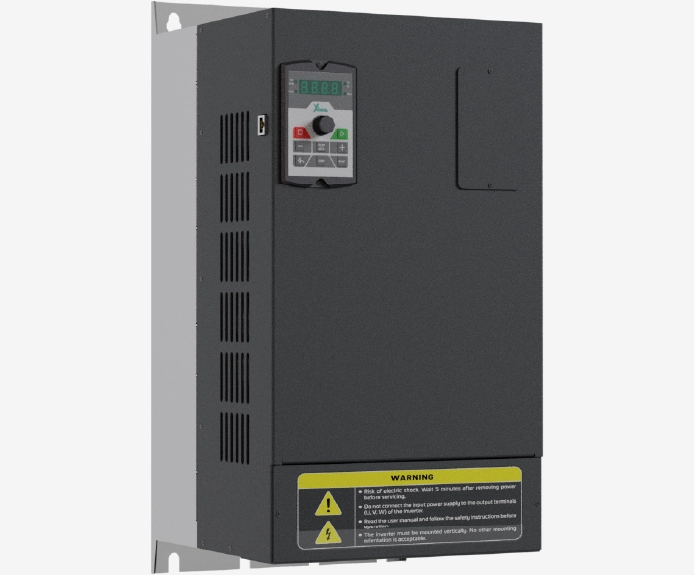
اینورتر 55 کیلووات سه فاز سری سولار پمپ
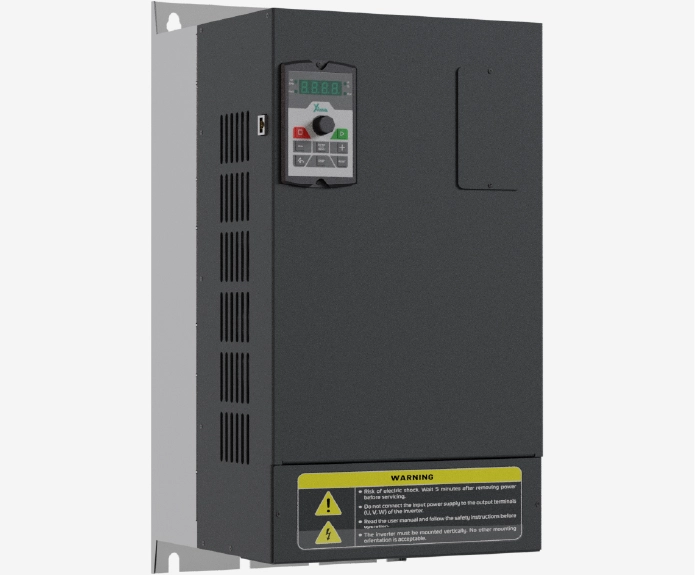
اینورتر 45 کیلووات سه فاز سری سولار پمپ
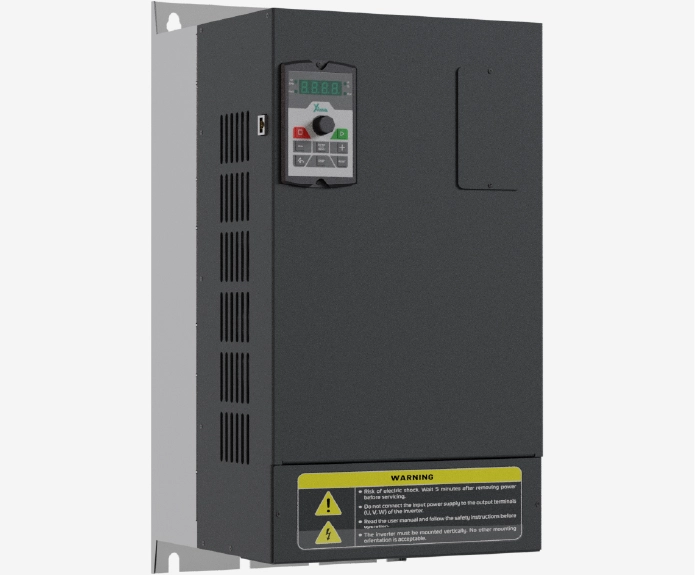
اینورتر 37 کیلووات سه فاز سری سولار پمپ
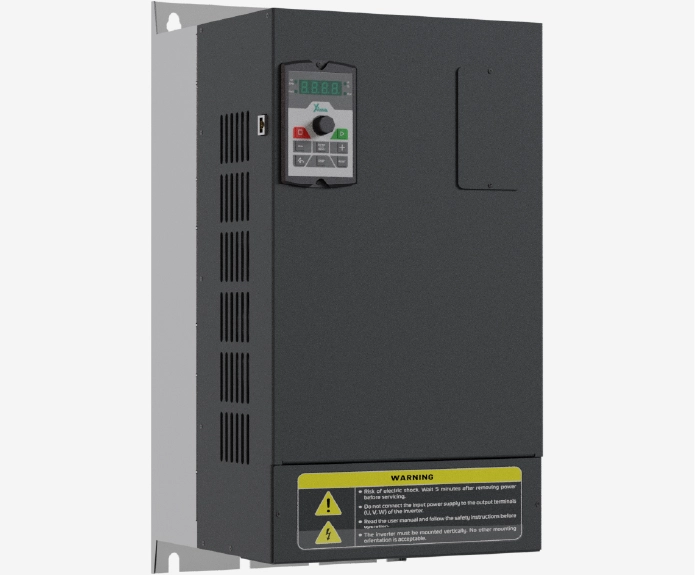
اینورتر 55 کیلووات سه فاز سری صنعتی
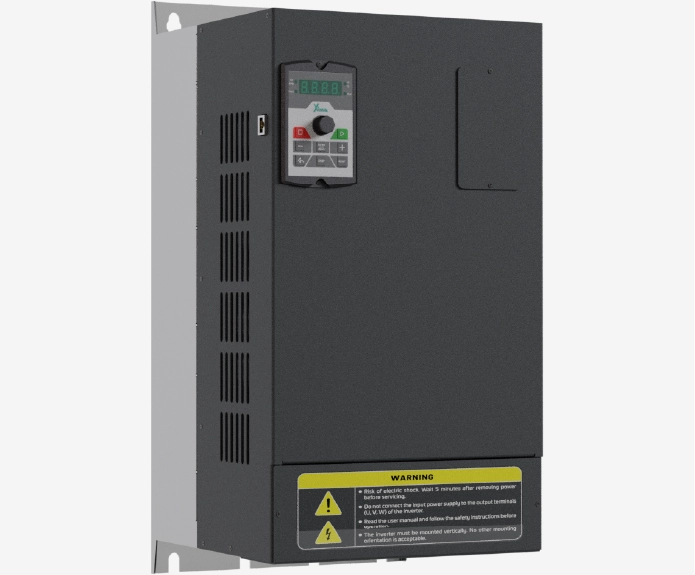
اینورتر 45 کیلووات سه فاز سری صنعتی
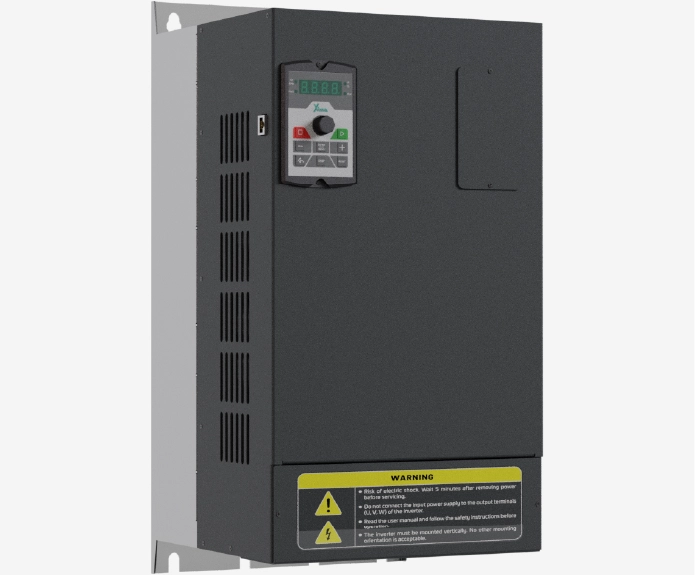
اینورتر 37 کیلووات سه فاز سری صنعتی
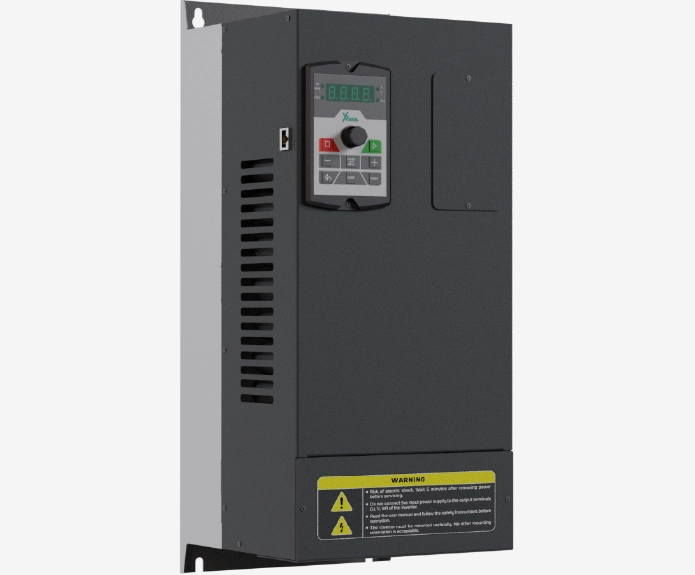
اینورتر 30 کیلووات سه فاز سری سولار پمپ
نظرات کاربران
دیدگاهها
هنوز دیدگاهی ثبت نشده است.