راهنمای انتخاب درایو و اینورتر صنعتی بر اساس توان و جریان موتور

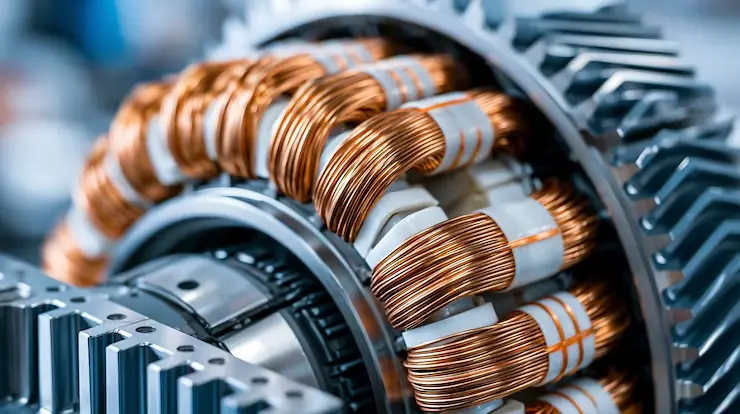
برای انتخاب اینورتر صنعتی چه مشخصاتی را باید بررسی کنیم؟
برای انتخاب اینورتر صنعتی لازم نیست از بین دهها مدل، حدسی یکی را انتخاب کنید. کافی است چند مشخصه را به ترتیب بررسی کنید: پلاک موتور چه میگوید، چه برقی در اختیار دارید، دستگاه چه باری را جابهجا میکند و از درایو چه نوع کنترلی انتظار دارید.
برای نمونه، اگر دو موتور هر دو ۷.۵ کیلووات باشند، الزاماً نمیتوان برای پمپ و نوار نقاله یک تصمیم یکسان گرفت. توان، فقط شروع ماجراست؛ جریان نامی موتور و شرایط واقعی بار هستند که انتخاب را دقیق میکنند.
در این راهنما از پایه تا انتخاب خانواده مناسب درایو پیش میرویم. در محصولات زیما، دو واژه «درایو» و «اینورتر» برای همین تجهیزات کنترل دور موتور به کار میروند؛ بنابراین معیارهای انتخاب آنها را جدا از هم در نظر نمیگیریم.
از موتور شروع کنیم یا از دستگاه؟ ۵ سؤال قبل از انتخاب درایو
بهترین نقطه شروع، کنار هم گذاشتن اطلاعات موتور و کاری است که از آن میخواهید. قبل از اینکه دنبال یک مدل مشخص بگردید، این پنج سؤال را جواب دهید:
- موتور چه مشخصاتی دارد؟ توان، جریان، ولتاژ و فرکانس روی پلاک را بخوانید.
- چه برقی در محل نصب موجود است؟ ورودی تکفاز ۲۲۰ ولت دارید یا سهفاز ۳۸۰ ولت؟
- موتور چه چیزی را میچرخاند؟ پمپ، فن، نوار نقاله، میکسر یا بالابر؟
- حرکت دستگاه چگونه است؟ با بار راه میافتد؟ نیاز به توقف سریع یا گشتاور زیاد در دور پایین دارد؟
- چه امکاناتی لازم است؟ فقط تنظیم سرعت کافی است یا کنترل فشار، ارتباط با PLC یا ترمز هم نیاز دارید؟
| اطلاعات اولیه | چرا به آن نیاز داریم؟ |
|---|---|
| پلاک موتور | مبنای بررسی توان، جریان و ولتاژ |
| برق محل نصب | تعیین نوع ورودی و خروجی سازگار |
| نوع دستگاه | تشخیص ویژگی بار و گشتاور موردنیاز |
| شیوه کار دستگاه | بررسی شتابگیری، توقف و اضافهبار |
| امکانات کنترلی | انتخاب خانواده و قابلیتهای مناسب |
اگر همین اطلاعات را آماده کنید، تعداد گزینهها خیلی زود کمتر میشود و مقایسه مدلها معنی پیدا میکند.
پلاک موتور چه چیزهایی درباره انتخاب اینورتر به ما میگوید؟
روی پلاک الکتروموتور معمولاً اطلاعات زیادی نوشته شده است؛ اما برای شروع انتخاب درایو، چند مورد مهمترند: توان (kW)، جریان نامی (A)، ولتاژ (V)، فرکانس (Hz) و دور موتور (RPM). نوع اتصال سیمپیچ، یعنی ستاره یا مثلث، نیز اهمیت دارد.
| مشخصه پلاک | کاربرد در انتخاب درایو |
|---|---|
| توان بر حسب کیلووات | مشخصکردن رده اولیه محصول |
| جریان نامی بر حسب آمپر | مقایسه با جریان مجاز خروجی درایو |
| ولتاژ نامی | تطبیق ولتاژ خروجی درایو با موتور |
| فرکانس و دور نامی | تعیین مبنای تنظیمات و محدوده کار |
| اتصال ستاره یا مثلث | بررسی سربندی درست متناسب با ولتاژ |
نکتهای که نباید از قلم بیفتد: اگر موتور شما ۲.۲ کیلووات است، صرف پیدا کردن درایوی با برچسب ۲.۲ کیلووات کافی نیست. باید جریان خروجی آن را هم با جریان پلاک موتور مقایسه کنید. دفترچه سری صنعتی G زیما نیز تنظیم صحیح جریان نامی و اطلاعات موتور را جزو الزامات راهاندازی قرار داده است.
چرا جریان موتور از عدد کیلووات تعیینکنندهتر میشود؟
دو موتور با توان برابر میتوانند جریان نامی متفاوتی داشته باشند. به همین دلیل، بهتر است ابتدا از روی توان، مدلهای احتمالی را پیدا کنید و بعد با جریان خروجی نامی درایو انتخاب را محدود کنید.
اگر جریان موردنیاز موتور از جریان مجاز درایو بیشتر باشد، مشکل میتواند خودش را هنگام شتابگیری یا زیر بار نشان دهد. از طرف دیگر، انتخاب درایو بزرگتر بدون بررسی مشخصات دستگاه هم لزوماً تصمیم بهتری نیست.
انتخاب درایو بر اساس توان و جریان؛ یک جدول کاربردی از مدلهای زیما
در جدول زیر چند مدل سهفاز سری صنعتی G را میبینید. مقادیر توان و جریان خروجی مستقیماً از جدول مشخصات این سری استخراج شدهاند. این جدول، فهرست گزینههای اولیه است؛ نه تأیید نهایی مناسببودن هر مدل برای هر موتور همتوان.
| مدل درایو زیما | توان نامی | ورودی | جریان خروجی نامی |
|---|---|---|---|
| G100B008-3 | ۰.۷۵ کیلووات | سهفاز ۳۸۰ ولت | ۳ آمپر |
| G100B022-3 | ۲.۲ کیلووات | سهفاز ۳۸۰ ولت | ۷ آمپر |
| G100B040-3 | ۴ کیلووات | سهفاز ۳۸۰ ولت | ۱۰ آمپر |
| G100B055-3 | ۵.۵ کیلووات | سهفاز ۳۸۰ ولت | ۱۳ آمپر |
| G200C075-3 | ۷.۵ کیلووات | سهفاز ۳۸۰ ولت | ۱۹ آمپر |
| G200C110-3 | ۱۱ کیلووات | سهفاز ۳۸۰ ولت | ۲۶ آمپر |
| G200C150-3 | ۱۵ کیلووات | سهفاز ۳۸۰ ولت | ۳۶ آمپر |
فرض کنید قصد بررسی یک درایو برای موتور ۷.۵ کیلووات را دارید. در این جدول، مدل G200C075-3 با توان ۷.۵ کیلووات و جریان نامی خروجی ۱۹ آمپر ثبت شده است. حالا باید جریان واقعی پلاک موتور و نیاز بار را با این مشخصات مقایسه کنید. اگر این مرحله انجام نشود، صرف برابر بودن دو عدد «۷.۵ کیلووات» انتخاب را قطعی نمیکند.
برای بررسی همه مدلهای این خانواده و مشخصات آنها میتوانید مدلهای درایو صنعتی سری G را ببینید.
آیا همیشه باید یک سایز بالاتر انتخاب کنیم؟
خیر. اصل، تناسب جریان و شرایط کاری است. ممکن است یک مدل همتوان برای موتور مناسب باشد؛ گاهی هم بهدلیل بار، شرایط نصب یا ظرفیت موردنیاز، لازم باشد گزینه دیگری بررسی شود. بهتر است بهجای پیروی از یک قاعده ثابت، به جریان پلاک، مشخصات درایو و دستورالعمل نصب توجه کنید.
درایو تکفاز یا سهفاز؛ تفاوتی که در انتخاب نباید اشتباه شود
عبارتهای «درایو تکفاز» و «درایو سهفاز» معمولاً به برق ورودی دستگاه اشاره دارند؛ اما موتور، به ولتاژ و خروجی مناسب خودش نیاز دارد.
مثلاً در مدلهای تکفاز سری G زیما، ورودی ۲۲۰ ولت تکفاز است و خروجی برای موتور سهفاز ۲۲۰ ولت در نظر گرفته شده. در مدلهای سهفاز ۳۸۰ ولت همین خانواده، ورودی و خروجی متناسب با کلاس سهفاز ۳۸۰ ولت است.
| برق موجود | خروجی مدلهای متناظر سری G | نکته اصلی |
|---|---|---|
| تکفاز ۲۲۰ ولت | سهفاز ۲۲۰ ولت | ولتاژ و سربندی موتور باید سازگار باشد |
| سهفاز ۳۸۰ ولت | سهفاز ۳۸۰ ولت | جریان، ولتاژ و سربندی موتور بررسی شود |
برای انتخاب درایو صنعتی، علاوه بر نوع برق ورودی، باید توان و جریان نامی موتور را نیز با مشخصات دستگاه تطبیق دهید. در این زمینه میتوانید مدلهای اینورتر صنعتی نکسل را هم بررسی کنید که در نسخههای تکفاز ۲۲۰ ولت و سهفاز ۳۸۰ ولت عرضه میشوند و امکان مقایسه توان موتور و جریان نامی آنها وجود دارد.
برای موتوری که روی پلاک آن دو ولتاژ و دو نوع اتصال درج شده، نحوه سربندی اهمیت ویژهای دارد. برای نمونه، دفترچه نصب سری G زیما درباره تطبیق اتصال ستاره و مثلث با ولتاژ خروجی هشدار داده است. پس پیش از انتخاب، از روی پلاک و مدارک موتور مطمئن شوید اتصال موردنیاز امکانپذیر است.
نوع بار موتور چه تأثیری بر انتخاب درایو صنعتی دارد؟
جایی که انتخاب پیچیدهتر میشود، همینجاست. یک پمپ سانتریفیوژ و یک نوار نقاله پربار ممکن است موتورهایی با توان مشابه داشته باشند، اما هنگام شروع حرکت و کارکرد عادی رفتار یکسانی ندارند.
در بسیاری از فنها و پمپهای سانتریفیوژ، نیاز بار با تغییر سرعت تغییر میکند. در مقابل، دستگاههایی مانند نوار نقاله و برخی میکسرها ممکن است در دور پایین نیز گشتاور قابلتوجهی بخواهند. بالابر هم به بررسی دقیق شرایط حرکت، توقف و ترمز نیاز دارد.
| کاربرد | هنگام انتخاب به چه چیزهایی توجه کنیم؟ | خانواده قابل بررسی در زیما |
|---|---|---|
| فن و ماشینآلات عمومی | جریان موتور، کنترل سرعت و شرایط بار | سری G |
| پمپ و بوسترپمپ | جریان موتور، کنترل فشار و منطق پمپاژ | سری P |
| پمپاژ خورشیدی | موتور، پمپ و سازگاری منبع انرژی | سری S |
| آسانسور، بالابر و جرثقیل | گشتاور، کنترل حرکت و ترمز | سری L |
این جدول قرار نیست انتخاب مهندسی را جایگزین کند. کاربرد دقیق هر خانواده را باید کنار اطلاعات موتور و امکانات موردنیاز گذاشت.
درایو مناسب نوار نقاله چه ویژگیهایی میخواهد؟
اول باید روشن شود نوار نقاله خالی راه میافتد یا با بار. سپس گشتاور شروع حرکت، زمان شتابگیری و تغییرات بار بررسی میشود. در خانواده صنعتی G، روشهای کنترل V/F و برداری بدون سنسور در دسترس هستند؛ اما اینکه کدام تنظیم و مدل مناسبتر باشد به دستگاه بستگی دارد.
برای پمپ و بوسترپمپ چه چیزی مهمتر است؟
در سیستم پمپاژ، فقط دور موتور مطرح نیست. گاهی لازم است فشار کنترل شود، چند پمپ هماهنگ کار کنند یا دستگاه در شرایط بیآبی واکنش مشخصی داشته باشد. به همین دلیل، در کنار توان و جریان، امکانات نرمافزاری مرتبط با پمپ اهمیت پیدا میکند.
چه زمانی V/F کافی است و چه زمانی کنترل برداری را بررسی کنیم؟
اگر نیاز اصلی شما تنظیم معمول سرعت موتور باشد، روش V/F میتواند یکی از گزینههای بررسی باشد. اما وقتی کنترل گشتاور و رفتار موتور در سرعت پایین اهمیت بیشتری دارد، لازم است قابلیتهای کنترل برداری نیز بررسی شوند.
در مستندات سری صنعتی G زیما هر دو روش V/F و Sensorless Vector معرفی شدهاند. همچنین قابلیت Autotune، کنترل PID و ارتباط Modbus برای این خانواده درج شده است.
| نیاز دستگاه | قابلیت قابل بررسی |
|---|---|
| تنظیم معمول سرعت | کنترل V/F |
| نیاز به کنترل مناسبتر گشتاور | کنترل برداری بدون سنسور |
| کنترل متغیری مثل فشار | کنترل PID |
| ارتباط با سیستم اتوماسیون | Modbus و ورودی/خروجیهای درایو |
| توقف با شرایط ویژه | قابلیتها و تجهیزات ترمز متناسب با پروژه |
بهتر است از روی امکانات واقعی دستگاه انتخاب کنید، نه اینکه صرفاً مدلی با قابلیتهای بیشتر بخرید. اگر PLC، سنسور یا سیستم کنترلی دارید، باید مشخصات ارتباطی آنها را نیز در نظر بگیرید.
دما، ارتفاع و تابلو برق؛ شرایطی که میتوانند انتخاب را تغییر دهند
گاهی درایوی روی کاغذ از نظر توان و جریان مناسب است، اما شرایط نصب باعث میشود نتوان از تمام ظرفیت نامی آن استفاده کرد.
طبق دفترچه راهنمای سری صنعتی G زیما، نسخه ۵.۲، دمای مجاز محل نصب از منفی ۱۰ تا مثبت ۵۰ درجه سانتیگراد تعیین شده و برای دماهای بالاتر از ۴۰ درجه، کاهش ظرفیت به میزان ۲ درصد بهازای هر یک درجه ذکر شده است. همچنین برای ارتفاع بالاتر از هزار متر از سطح دریا، کاهش ظرفیت ۲ درصد بهازای هر صد متر اضافه در این دفترچه آمده است.
این ضوابط به همین دفترچه و سری مربوطاند و نباید بدون بررسی به تمام مدلها یا خانوادههای دیگر تعمیم داده شوند.
| شرایط نصب سری G | نکته درجشده در راهنما |
|---|---|
| دمای محل نصب | از ۱۰- تا ۵۰+ درجه سانتیگراد |
| بالاتر از ۴۰ درجه | لحاظکردن کاهش ظرفیت مطابق راهنما |
| ارتفاع بیش از ۱۰۰۰ متر | لحاظکردن کاهش ظرفیت مطابق راهنما |
| رطوبت نسبی | کمتر از ۸۵٪، بدون میعان |
| درجه حفاظت بدنه | IP20؛ نیازمند محیط نصب مناسب |
پس اگر تابلو در محیط گرم نصب میشود یا محل پروژه در ارتفاع بالاست، این موضوع باید پیش از نهاییکردن مدل مطرح شود؛ نه بعد از نصب و بروز خطای حرارتی.
جزئیات نصب، فاصلههای مجاز و شرایط محیطی در دفترچه راهنمای رسمی سری صنعتی G آمده است.
برای موتور ۷.۵ کیلووات، کدام اینورتر زیما را بررسی کنیم؟
این سؤال را با یک مقایسه واقعی جواب بدهیم. در مشخصات زیما، مدلهای زیر برای رده ۷.۵ کیلووات معرفی شدهاند:
| مشخصه | درایو صنعتی G200C075-3 | درایو پمپی P200C075-3 |
|---|---|---|
| توان نامی | ۷.۵ کیلووات | ۷.۵ کیلووات |
| برق ورودی | سهفاز ۳۸۰ ولت | سهفاز ۳۸۰ ولت |
| جریان خروجی نامی | ۱۹ آمپر | ۱۹ آمپر |
| جهتگیری کاربردی | کاربری عمومی صنعتی | پمپ و بوسترپمپ |
میبینید که توان و جریان نامی بهتنهایی تفاوت کاربرد را توضیح نمیدهند. اگر پروژه شما مربوط به پمپ و کنترل فشار است، باید امکانات تخصصی خانواده P را بررسی کنید. اگر ماشین صنعتی دیگری دارید، ممکن است خانواده G گزینه مرتبطتری باشد.
در معرفی درایوهای پمپی زیما امکاناتی مانند کنترل PID، حالت تشخیص بیآبی، Sleep و راهکارهای چندپمپی توضیح داده شده است. این قابلیتها وقتی ارزش دارند که پروژه واقعاً به آنها نیاز داشته باشد.
این مقایسه برای کوتاهکردن مسیر انتخاب است، نه تأیید اینکه هر موتور ۷.۵ کیلووات با یکی از این دو مدل بدون بررسی بیشتر سازگار خواهد بود.
آشنایی کوتاه با چهار خانواده درایو زیما
بعد از مشخصشدن توان، جریان و کاربرد، نوبت انتخاب خانواده محصول است. مدلهای زیما با توجه به نیازهای متفاوت در چهار گروه اصلی ارائه میشوند:
سری G؛ برای کاربردهای عمومی صنعتی
اگر دستگاه شما یک ماشین صنعتی با نیاز به کنترل سرعت، گشتاور یا ارتباط کنترلی است، خانواده G معمولاً یکی از نخستین گزینههای بررسی است. روشهای V/F و برداری بدون سنسور، Autotune، PID و قابلیت اتصال مقاومت ترمز در معرفی رسمی این خانواده ذکر شدهاند.
سری P؛ برای پمپ و بوسترپمپ
در این خانواده، علاوه بر کنترل سرعت موتور، امکانات نرمافزاری متناسب با سامانههای پمپاژ در نظر گرفته شده است. به همین دلیل انتخاب آن باید در ارتباط با نوع پمپ، سنسورها و منطق کنترل سیستم انجام شود.
سری S؛ برای پمپاژ با انرژی خورشیدی
درایوهای سولار پمپ برای پروژههایی معرفی شدهاند که تأمین انرژی از خورشید بخشی از طراحی سیستم است. در معرفی سری سولار پمپ S به امکان پمپاژ بدون باتری و استفاده از برق شهری یا ژنراتور بهعنوان منبع پشتیبان نیز اشاره شده است. در انتخاب مدل، مشخصات منبع انرژی، موتور و پمپ باید با هم بررسی شوند.
سری L؛ برای آسانسور و بالابر
در سامانههای بالابر، کنترل حرکت و توقف نقش مهمی دارد. خانواده درایو آسانسور و بالابر L با قابلیتهایی مانند کنترل گشتاور در سرعت پایین و امکانات مرتبط با کنترل حرکت معرفی شده است. انتخاب نهایی این گروه باید همراه با بررسی ترمز و الزامات ایمنی دستگاه انجام شود؛ خود درایو جای تجهیزات ایمنی مستقل را نمیگیرد.
۶ اشتباه رایج که انتخاب درایو را سخت و پرهزینه میکنند
۱. فقط کیلووات را ملاک قرار دادن. ابتدا مدلهای همرده را پیدا کنید، اما تا جریان خروجی را با پلاک موتور تطبیق ندادهاید انتخاب را نهایی نکنید.
۲. بیتوجهی به برق ورودی و سربندی موتور. اینکه درایو ورودی تکفاز دارد، به معنی مناسببودن آن برای هر موتور سهفاز نیست.
۳. یکساندانستن همه بارها. نوار نقاله، پمپ و بالابر رفتار و نیاز کنترلی یکسان ندارند.
۴. نادیدهگرفتن راهاندازی و توقف. در بارهای سنگین یا سامانههای نیازمند ترمز، فقط جریان پیوسته ملاک کافی نیست.
۵. فراموشکردن شرایط تابلو. دمای بالا، تهویه نامناسب و ارتفاع محل نصب میتوانند ظرفیت قابل استفاده را تغییر دهند.
۶. خرید قبل از مشخصکردن امکانات کنترلی. بهتر است پیش از استعلام، معلوم باشد آیا PID، Modbus، ورودیهای خاص یا کنترل ویژه حرکت نیاز دارید یا خیر.
چکلیست انتخاب اینورتر صنعتی پیش از استعلام
قبل از تماس برای انتخاب مدل، این اطلاعات را در یک برگه یا عکس جمع کنید. همین کار ساده میتواند رفتوبرگشتهای فنی را کمتر کند.
| اطلاعات لازم | چه چیزی آماده کنیم؟ |
|---|---|
| موتور | عکس واضح پلاک، توان و جریان نامی |
| تغذیه | برق تکفاز ۲۲۰ یا سهفاز ۳۸۰ ولت |
| کاربرد | نوع ماشین، پمپ، فن، نوار نقاله یا بالابر |
| بار | وضعیت شروع حرکت و تغییرات بار |
| سرعت | محدوده دور موردنیاز |
| توقف | نیاز یا عدم نیاز به توقف سریع و ترمز |
| شرایط نصب | دمای تابلو، ارتفاع و تهویه |
| کنترل | سنسور، PLC، PID یا ارتباط صنعتی |
| مدل قبلی | در صورت تعویض، کد و عکس درایو قبلی |
سؤالات متداول درباره انتخاب اینورتر صنعتی
برای انتخاب درایو، توان مهمتر است یا جریان؟
توان، مدلهای احتمالی را مشخص میکند؛ اما برای تصمیم نهایی باید جریان نامی موتور را با جریان خروجی مجاز درایو مقایسه کنید و شرایط بار و نصب را هم در نظر بگیرید.
برای موتور ۷.۵ کیلووات چه درایوی مناسب است؟
در محصولات زیما مدلهایی با رده توان ۷.۵ کیلووات وجود دارند؛ برای مثال G200C075-3 در سری صنعتی. بااینحال انتخاب قطعی به جریان پلاک موتور، نوع بار، ولتاژ و نیاز کنترلی بستگی دارد.
میتوان موتور سهفاز را با برق تکفاز راهاندازی کرد؟
در صورت استفاده از درایوی با ورودی تکفاز و خروجی سهفاز سازگار، این امکان برای بعضی موتورها وجود دارد. باید ولتاژ خروجی و سربندی موتور دقیقاً بررسی شود.
آیا درایو بزرگتر همیشه بهتر است؟
نه. ظرفیت بالاتر بدون نیاز فنی، لزوماً عملکرد بهتری ایجاد نمیکند. ملاک انتخاب، تطبیق مشخصات درایو با موتور و شرایط کار دستگاه است.
برای پمپ، سری G بهتر است یا P؟
پاسخ به نیاز پروژه بستگی دارد. اگر به امکانات تخصصی کنترل پمپ و بوسترپمپ نیاز دارید، ویژگیهای سری P را بررسی کنید؛ در کاربردهای عمومیتر ممکن است سری G هم گزینه قابل بررسی باشد. انتخاب باید با مشخصات موتور و سامانه کنترل تطبیق داده شود.
اگر دمای تابلو بالا باشد، چه باید کرد؟
ابتدا تهویه و شرایط نصب را اصلاح و سپس قواعد کاهش ظرفیت در دفترچه همان مدل را بررسی کنید. برای سری صنعتی G ضوابط مشخصی درباره دما و ارتفاع در راهنمای رسمی آمده است.
جمعبندی؛ انتخاب درست از مشخصات موتور شروع میشود
برای انتخاب اینورتر صنعتی نیازی نیست همه مدلهای بازار را از ابتدا تا انتها بررسی کنید. مسیر منطقی روشن است: پلاک موتور را بخوانید، برق ورودی را مشخص کنید، نوع بار را بشناسید و بعد توان، جریان و امکانات درایو را کنار هم بگذارید.
اگر فقط یک نکته از این راهنما به خاطر بسپارید، این باشد: مدل همتوان، لزوماً مدل مناسب نیست. جریان پلاک، نحوه راهاندازی، شرایط نصب و نیاز کنترلی میتوانند نتیجه انتخاب را تغییر دهند.
وقتی این اطلاعات آماده شد، میتوانید مدلهای درایو (اینورتر) زیما را مقایسه کنید و برای گزینه مناسب استعلام قیمت بگیرید. با این روش، درخواست شما از همان ابتدا دقیقتر و بررسی فنی آن سادهتر خواهد بود.
Choosing the right industrial inverter starts with understanding your motor and how it operates. Motor power is an important starting point, but it doesn’t tell the whole story. Rated current, supply voltage, load characteristics, and control requirements all play a part in finding the right drive.
Consider two motors with the same 7.5 kW rating. One powers a centrifugal pump, while the other drives a heavily loaded conveyor. Although their power ratings are identical, their starting torque, acceleration, and operating requirements can be very different.
That’s why choosing an inverter based on motor power alone isn’t always the best approach.
A reliable selection process considers both the electrical characteristics of the motor and the mechanical demands of the application.
In this guide, we’ll explain how to choose an industrial inverter step by step, from reading the motor nameplate and comparing rated currents to selecting the right drive for different industrial applications. We’ll also look at practical examples using XIMA industrial drives.
What Should You Check Before Choosing an Industrial Inverter?
Before comparing inverter models, you need to understand what your motor requires and how the equipment operates.
Five questions will help you narrow down your options:
- What are the motor specifications? Check the rated power, current, voltage, and frequency on the motor nameplate.
- What power supply is available? Does your facility use a 220 V single-phase supply or a 380 V three-phase supply?
- What type of equipment does the motor operate? A pump, fan, conveyor, mixer, elevator, or another industrial machine?
- How does the machine operate? Does it start under load? Does it require high torque at low speed or rapid deceleration?
- What control functions are needed? Is basic speed adjustment enough, or does the system require PID control, PLC communication, or braking functions?
These questions provide a practical starting point for industrial drive selection.
| Information to Check | Why It Matters |
|---|---|
| Motor nameplate | Identifies rated power, current, and voltage |
| Available power supply | Determines the compatible drive input voltage |
| Type of machinery | Helps establish torque and load requirements |
| Operating conditions | Determines acceleration, braking, and overload requirements |
| Control requirements | Helps identify the appropriate inverter functions |
Once you have this information, comparing different inverter models becomes much easier.
Instead of choosing a drive based only on kilowatts, you can evaluate each option against the actual requirements of your motor and machine.
Understanding the Motor Nameplate: The First Step in Inverter Selection
The motor nameplate contains some of the most important information you’ll need when selecting an inverter.
Although it may display several technical values, five are particularly useful: rated power (kW), rated current (A), rated voltage (V), frequency (Hz), and motor speed (RPM).
The motor’s winding configuration, usually indicated as star (Y) or delta (Δ), is also important.
| Motor Nameplate Specification | Why It Matters |
|---|---|
| Rated power (kW) | Helps identify the appropriate inverter power range |
| Rated current (A) | Must be compared with the drive’s rated output current |
| Rated voltage (V) | Determines compatibility with the inverter output |
| Rated frequency and speed | Provide reference values for drive configuration |
| Star or delta connection | Determines the correct motor connection for the available voltage |
For example, finding a 2.2 kW inverter for a 2.2 kW motor is only the first step.
You still need to compare the motor’s rated current with the inverter’s continuous output current rating.
You also need to confirm that the inverter’s output voltage is compatible with the motor’s winding configuration.
Why Is Motor Current So Important?
Two motors with the same rated power do not necessarily draw the same amount of current.
Differences in motor design, efficiency, operating voltage, and power factor can affect the current shown on the nameplate.
For this reason, motor power should help you identify potential inverter models, while rated motor current helps determine whether those models are electrically suitable.
If the motor requires more current than the drive can continuously supply, the system may experience overload trips, current limiting, or difficulties during acceleration.
On the other hand, choosing a significantly larger inverter without a technical reason isn’t necessarily better.
The goal is to select a drive that can safely and reliably meet the motor’s actual operating requirements.
How to Select an Inverter Based on Motor Power and Current
Motor power provides a useful starting point, but output current is essential when narrowing down your selection.
The following table shows several three-phase models from XIMA’s Industrial G Series, together with their rated power and output current.
| XIMA Inverter Model | Rated Power | Input Supply | Rated Output Current |
|---|---|---|---|
G100B008-3 |
0.75 kW | 380 V, three-phase | 3 A |
G100B022-3 |
2.2 kW | 380 V, three-phase | 7 A |
G100B040-3 |
4 kW | 380 V, three-phase | 10 A |
G100B055-3 |
5.5 kW | 380 V, three-phase | 13 A |
G200C075-3 |
7.5 kW | 380 V, three-phase | 19 A |
G200C110-3 |
11 kW | 380 V, three-phase | 26 A |
G200C150-3 |
15 kW | 380 V, three-phase | 36 A |
The table provides an initial reference for inverter selection. The final choice must also account for the motor’s rated current, load characteristics, and installation conditions.
A Practical Example: Choosing an Inverter for a 7.5 kW Motor
Suppose you have a three-phase motor rated at 7.5 kW.
The XIMA G200C075-3 is a potential model to evaluate because it has:
- Rated power: 7.5 kW
- Input supply: 380 V, three-phase
- Rated output current: 19 A
The next step is to check the actual motor nameplate.
If the motor’s rated current is within the inverter’s allowable output rating, you can move on to evaluating the application.
Does the motor start under heavy load? Will it operate continuously? Is high starting torque required? Could the installation environment reduce the inverter’s available capacity?
These questions help determine whether the drive is suitable for the complete system.
You can explore additional models and specifications in XIMA’s Industrial G Series drive range.
Should You Always Choose an Inverter One Size Larger Than the Motor?
Not necessarily.
Choosing a higher-rated inverter can be justified when an application involves heavy loads, demanding acceleration, or installation conditions that reduce the drive’s available capacity.
However, selecting the next power rating simply as a precaution is not a universal requirement.
An inverter with the same rated power as the motor may be entirely suitable when its continuous output current, overload capability, and control features match the application’s requirements.
The most reliable approach is to evaluate the actual operating conditions rather than follow a fixed sizing rule.
Single-Phase or Three-Phase Inverter: Which One Do You Need?
One common source of confusion is the difference between an inverter’s input supply and its output.
A drive may receive single-phase power while providing a three-phase output for a compatible motor.
For example, selected single-phase models in XIMA’s G Series accept a 220 V single-phase input and provide a 220 V three-phase output.
Other models are designed for 380 V three-phase input and output.
The important point is that the inverter output must match the motor’s voltage and winding requirements.
| Available Power Supply | Corresponding G Series Output | What to Check |
|---|---|---|
| 220 V single-phase | 220 V three-phase | Motor voltage rating and winding connection |
| 380 V three-phase | 380 V three-phase | Motor voltage, current, and winding connection |
Can You Run a Three-Phase Motor Using Single-Phase Power?
Yes, in certain applications.
An inverter designed for single-phase input and three-phase output can operate a compatible three-phase motor.
However, the motor must be suitable for the inverter’s output voltage.
For instance, a motor nameplate marked 230 V Δ / 400 V Y indicates that the motor windings are intended for different voltage levels depending on their connection.
The correct winding connection must be selected according to the motor’s specifications.
A motor designed only for a higher operating voltage cannot simply be connected to a lower-voltage inverter output with the expectation of delivering full rated performance.
Always check the motor nameplate and inverter specifications before installation.
How Does the Type of Load Affect Industrial Drive Selection?
The driven load is one of the most important factors when selecting an industrial inverter.
A centrifugal pump and a conveyor system may use motors with similar power ratings, but their torque requirements can be very different.
Understanding the load helps determine the required output current, overload capability, and control method.
Variable-Torque Applications
In many centrifugal pumps and fans, the required torque changes with operating speed.
Reducing speed can also reduce the power required by the driven equipment.
Typical applications include:
- Centrifugal pumps
- Industrial ventilation fans
- Certain HVAC systems
- Suitable air-handling equipment
In these applications, inverter selection often focuses on speed regulation, motor current, and process-control requirements.
When operating conditions allow, adjusting motor speed to match actual demand can also improve energy performance.
Constant-Torque and Heavy-Duty Applications
Equipment such as conveyors and certain industrial mixers may require significant torque across much of their operating speed range.
Starting under load, accelerating heavy machinery, or maintaining torque at low speeds can place additional demands on the inverter.
Typical applications include:
- Conveyor systems
- Industrial mixers
- Certain material-handling machines
- Some extrusion equipment
For these applications, starting torque, overload capacity, and control performance deserve particular attention.
Choosing an Inverter for Different Industrial Applications
| Application | Main Selection Considerations | XIMA Drive Family to Evaluate |
|---|---|---|
| Fans and general industrial machinery | Motor current, speed control, and load conditions | G Series |
| Pumps and booster systems | Pressure control, motor current, and pump protection | P Series |
| Solar-powered pumping | Motor, pump, and energy-source compatibility | S Series |
| Elevators, hoists, and cranes | Torque, motion control, braking, and safety requirements | L Series |
This table helps identify a suitable drive family, but a final model should still be selected according to the machine’s actual operating requirements.
What Should You Look for in a Conveyor Drive?
Start by determining whether the conveyor begins moving empty or under load.
Then consider the required starting torque, acceleration time, and expected changes in load during operation.
A conveyor that starts with a heavy load may place greater demands on the drive than one that starts without material.
For applications requiring more precise torque control, the inverter’s control method also becomes important.
What Makes Pump Inverter Selection Different?
Pump applications often involve more than basic motor speed control.
Depending on the system, the inverter may need to maintain constant pressure, respond to sensor feedback, detect dry-running conditions, or coordinate multiple pumps.
These requirements can make an application-specific pump drive more appropriate than a general-purpose model.
V/F or Sensorless Vector Control: Which Is Better for Your Motor?
Once the motor and load requirements are clear, the next step is to consider how precisely the inverter needs to control motor behavior.
Two common methods are V/F control and sensorless vector control.
V/F Control for General Speed Regulation
V/F control adjusts motor voltage and frequency according to a defined relationship.
It is commonly used in applications where straightforward speed regulation is the main requirement.
For suitable motors and loads, it provides an effective approach without unnecessarily complex control settings.
Sensorless Vector Control for More Demanding Applications
Sensorless vector control uses an internal motor model to achieve more refined control of motor behavior.
It may be useful when an application requires improved torque response or more stable performance under changing load conditions.
Actual performance depends on the drive’s capabilities, correct motor parameters, and operating conditions.
XIMA’s Industrial G Series supports both V/F and sensorless vector control.
The series also includes Autotune, PID control, and Modbus communication capabilities.
| Application Requirement | Function to Consider |
|---|---|
| General speed adjustment | V/F control |
| Improved torque response | Sensorless vector control |
| Pressure or process regulation | PID control |
| PLC or automation integration | Modbus communication and drive I/O |
| Controlled deceleration or braking | Appropriate braking functions and equipment |
The best control method is not necessarily the most advanced one.
It is the method that meets the operating requirements of your machine.
Why Installation Conditions Matter When Choosing an Industrial Inverter
An inverter that appears suitable on paper may not be able to deliver its full rated capacity under every installation condition.
Ambient temperature, cabinet ventilation, installation altitude, and environmental conditions can all affect performance.
For the Industrial G Series, XIMA’s installation manual specifies an ambient operating temperature range of -10°C to +50°C.
When the installation temperature exceeds 40°C, the manual requires a 2% reduction in rated capacity for each additional degree Celsius.
It also specifies a 2% capacity reduction for every additional 100 meters above 1,000 meters of altitude.
These requirements apply to the documented G Series and should not automatically be applied to other inverter families.
Installation Requirements for the XIMA G Series
| Installation Factor | G Series Specification |
|---|---|
| Ambient temperature | -10°C to +50°C |
| Temperature above 40°C | 2% derating per additional °C |
| Altitude above 1,000 m | 2% derating per additional 100 m |
| Relative humidity | Below 85%, without condensation |
| Enclosure protection | IP20; suitable installation enclosure required |
Why Temperature and Ventilation Matter
Imagine selecting an inverter for a motor installed inside an electrical cabinet.
If the cabinet has poor ventilation, its internal temperature may become considerably higher than the surrounding room temperature.
In that situation, the inverter may not be able to operate continuously at its full nominal capacity.
Correct ventilation, sufficient installation clearance, and appropriate cabinet design should therefore be considered before selecting the final model.
How Does Installation Altitude Affect Inverter Capacity?
At higher altitudes, reduced air density can affect equipment cooling.
This is why the G Series manual specifies capacity reduction above a defined installation altitude.
For projects located at higher elevations, the applicable reduction must be considered when checking the drive’s allowable output current.
The complete requirements for mounting, ventilation, environmental conditions, and configuration are available in the XIMA Industrial G Series Installation Manual, Version 5.2.
Choosing a 7.5 kW Inverter: Industrial Drive or Pump Drive?
Let’s compare two XIMA models designed for different applications.
Both the G200C075-3 and P200C075-3 have a rated power of 7.5 kW and a rated output current of 19 A.
However, they belong to different product families.
| Specification | G200C075-3 | P200C075-3 |
|---|---|---|
| Rated power | 7.5 kW | 7.5 kW |
| Input supply | 380 V, three-phase | 380 V, three-phase |
| Rated output current | 19 A | 19 A |
| Product family | Industrial G Series | Pump P Series |
| Primary application | General industrial motor control | Pump and booster pump control |
The electrical ratings are similar, but the intended applications are different.
If you’re selecting an inverter for a conveyor, mixer, or general industrial machine, the G Series may be a suitable starting point.
If you’re working with a pump that requires pressure regulation or specialized pump protection, the P Series offers functions developed for those requirements.
What Makes the P Series Suitable for Pumping Applications?
XIMA’s Pump P Series includes several application-oriented functions:
- PID-based process control
- Dry-running detection
- Sleep mode during low-demand conditions
- Closed-loop operation with compatible sensors
- Multi-pump control capabilities
- Modbus communication
These features are particularly relevant to booster pump installations and systems that need to respond automatically to changing demand.
You can learn more about these capabilities in the XIMA Pump P Series overview.
The key takeaway is simple: matching power and current ratings is necessary, but the application determines which drive family is the better fit.
Understanding XIMA’s Industrial Inverter and Drive Families
XIMA offers several inverter families developed for different operating conditions and industrial applications.
Understanding their intended uses can help you identify the most relevant products before comparing individual models.
G Series: General Industrial Applications
The G Series is designed for a broad range of industrial motor control applications.
It supports V/F and sensorless vector control, along with functions such as Autotune, PID control, Modbus communication, and connection to a braking resistor.
This makes it a relevant family to consider for machinery requiring configurable motor speed and torque control.
P Series: Pumps and Booster Systems
The P Series focuses on pumping applications where motor speed must work together with the requirements of the hydraulic system.
Its application-oriented functions support pressure regulation, sensor feedback, and coordinated pump operation.
For projects that require these features, a pump-specific inverter can simplify the overall control approach.
S Series: Solar Water Pumping
The S Series is developed for water pumping applications powered by solar energy.
It supports solar pumping without a battery and offers the option of using utility power or a generator as a backup source.
This can be particularly useful in agricultural or remote pumping installations where reliable access to grid electricity is limited.
When choosing a solar pump inverter, the motor, pump, and available energy source must be considered together.
More information is available in the XIMA Solar Pump S Series overview.
L Series: Elevators, Hoists, and Cranes
Elevators and lifting systems have more demanding motion-control requirements than many general industrial applications.
Smooth starting, controlled movement, low-speed torque, and braking behavior all require careful attention.
XIMA’s L Series is designed for elevators, hoists, and cranes, with features developed to support precise motor and motion control.
However, the inverter itself does not replace independent mechanical brakes or the safety systems required for lifting equipment.
The XIMA Elevator and Lift L Series provides additional information about this application-focused range.
Six Common Mistakes to Avoid When Choosing an Industrial Inverter
Even experienced buyers can overlook important details when selecting a drive.
Here are six mistakes worth avoiding.
1. Choosing an Inverter Based Only on Kilowatts
A matching power rating doesn’t guarantee compatibility.
Always check rated output current and the motor’s operating requirements before selecting a model.
2. Ignoring the Motor’s Voltage and Winding Configuration
An inverter with single-phase input may provide three-phase output, but the output voltage must still be compatible with the motor.
Never assume that every three-phase motor can operate with any three-phase inverter.
3. Treating Every Industrial Load the Same
Pumps, conveyors, mixers, and lifting equipment can have very different starting and operating requirements.
The type of machinery matters just as much as the motor rating.
4. Overlooking Acceleration and Braking Requirements
An inverter may operate a motor successfully at a steady speed but struggle with demanding starts or rapid stops.
Review starting torque, overload capability, and braking requirements before making your selection.
5. Ignoring Temperature and Ventilation
High cabinet temperatures and inadequate airflow can reduce an inverter’s available capacity and affect reliability.
Installation conditions must be part of the selection process.
6. Selecting a Drive Before Defining Control Requirements
An inverter may have the correct power rating but lack the functions required by your machine.
Determine whether you need PID control, Modbus communication, special input/output functions, or application-specific motion control before choosing a model.
Industrial Inverter Selection Checklist
Before requesting a quotation or discussing model selection with a technical specialist, gather the following information.
| Required Information | What to Prepare |
|---|---|
| Motor specifications | Clear nameplate photo, rated power, and rated current |
| Available power supply | Supply voltage and number of phases |
| Application | Pump, fan, conveyor, mixer, elevator, or another machine |
| Load conditions | Starting load and changes during operation |
| Speed requirements | Required operating speed range |
| Starting and stopping | Acceleration, deceleration, and braking needs |
| Installation environment | Cabinet temperature, ventilation, and altitude |
| Control system | Sensors, PLC, PID, and communication requirements |
| Existing equipment | Previous inverter model and specifications, if applicable |
Having these details ready helps reduce unnecessary back-and-forth during the selection process.
It also makes it easier to identify a suitable model without relying on assumptions about motor power or machinery requirements.
Frequently Asked Questions About Industrial Inverter Selection
Is Motor Power or Rated Current More Important When Choosing an Inverter?
Both matter, but they serve different purposes.
Motor power helps identify a suitable range of inverter models, while rated current helps determine whether a particular drive can supply the motor’s electrical requirements.
Load characteristics and installation conditions must also be considered.
What Size Inverter Do I Need for a 7.5 kW Motor?
A 7.5 kW inverter is a reasonable starting point for evaluation, but the final selection depends on the motor’s rated current, operating voltage, load characteristics, and control requirements.
For example, the XIMA G200C075-3 is rated at 7.5 kW with a 19 A output current.
Its suitability must still be confirmed against the specific application.
Can I Run a Three-Phase Motor from a Single-Phase Power Supply?
Yes, provided you use an inverter designed for single-phase input and compatible three-phase output.
The motor’s rated voltage and winding configuration must match the inverter output.
Is It Better to Choose an Oversized Inverter?
Not automatically.
A larger inverter may be necessary in certain demanding applications, but unnecessary oversizing can increase costs without providing a clear operational advantage.
The decision should be based on motor current requirements, overload capacity, and operating conditions.
Which Drive Is Better for a Pump: the G Series or the P Series?
It depends on the system.
The G Series supports general industrial motor control, while the P Series includes functions designed specifically for pumping systems.
If the application requires pressure control, dry-running detection, or specialized booster pump operation, the P Series is worth evaluating.
Does an Inverter Reduce Motor Starting Current?
An inverter can provide controlled acceleration and avoid the high inrush current associated with direct-on-line starting in many applications.
However, the actual current during acceleration depends on motor torque requirements, load conditions, and drive settings.
Can an Industrial Inverter Improve Energy Efficiency?
Yes, in suitable applications.
For centrifugal pumps and fans, reducing speed to match actual process demand can significantly reduce energy consumption.
The savings depend on the system’s operating profile and cannot be assumed to be the same for every type of machinery.
What Happens If the Installation Cabinet Is Too Hot?
High ambient temperatures may reduce the inverter’s allowable operating capacity.
Improving ventilation and applying the manufacturer’s derating requirements are essential.
Depending on the application, it may also be necessary to reconsider the inverter rating.
Why Is Starting Torque Important When Selecting an Inverter?
Some machines require substantial torque before they can begin moving.
Conveyors starting under load, for example, may place greater demands on the drive than equipment starting with little mechanical resistance.
The inverter must be capable of supplying the required torque within its current and operating limits.
Can One Inverter Control Multiple Motors?
Some systems can operate multiple motors from a single inverter, but the combined current, load behavior, motor protection, and control method must be assessed.
Not every application or inverter control mode is suitable for multi-motor operation.
How Do I Know Which XIMA Inverter Is Right for My Motor?
Start by checking the motor nameplate and identifying the available power supply.
Then determine the type of machine, operating conditions, and required control functions.
With this information, you can compare the relevant XIMA drive families and narrow down the available models.
If you’re unsure about the final selection, providing the motor nameplate and a description of the application can help the technical team evaluate suitable options.
Final Thoughts: Choose an Inverter That Matches Your Motor and Application
Choosing the right industrial inverter becomes much easier when you follow a clear process.
Start with the motor nameplate. Confirm the available power supply. Understand the mechanical load. Then compare the inverter’s rated output current, control functions, and operating limits with the actual requirements of your machine.
Remember that an inverter with the same kilowatt rating as your motor is not automatically the right choice.
Motor current, starting torque, braking requirements, installation conditions, and control features can all influence the final decision.
XIMA offers industrial and application-specific drives for general machinery, pumping systems, solar-powered water pumping, and lifting equipment.
Once you have identified the requirements of your motor and application, you can explore XIMA’s industrial inverter models, compare specifications, and request a quotation.
With the right information from the beginning, selecting a suitable inverter becomes a more accurate, efficient, and reliable process.
محصولات
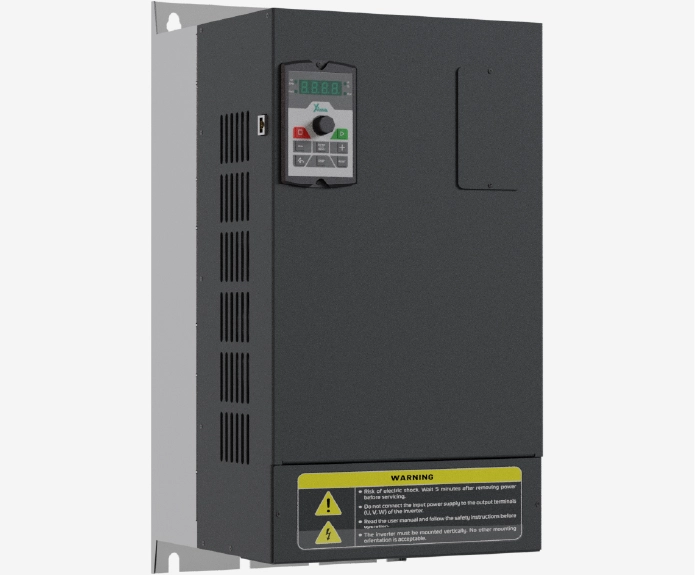
اینورتر 55 کیلووات سه فاز سری صنعتی
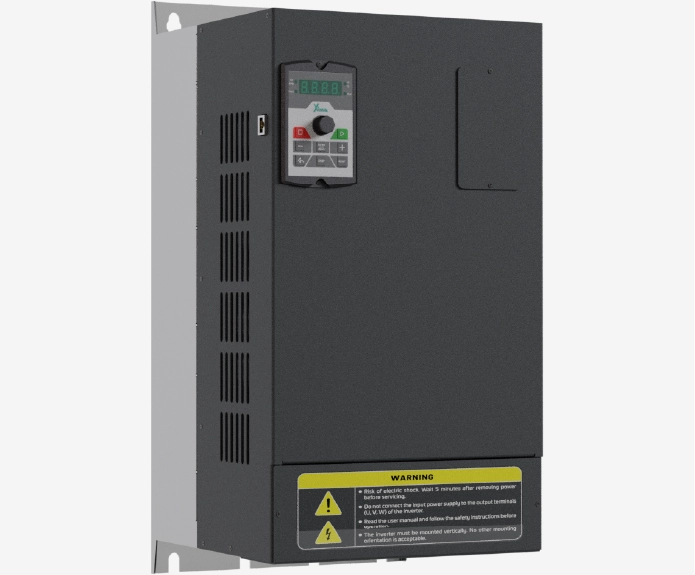
اینورتر 45 کیلووات سه فاز سری صنعتی
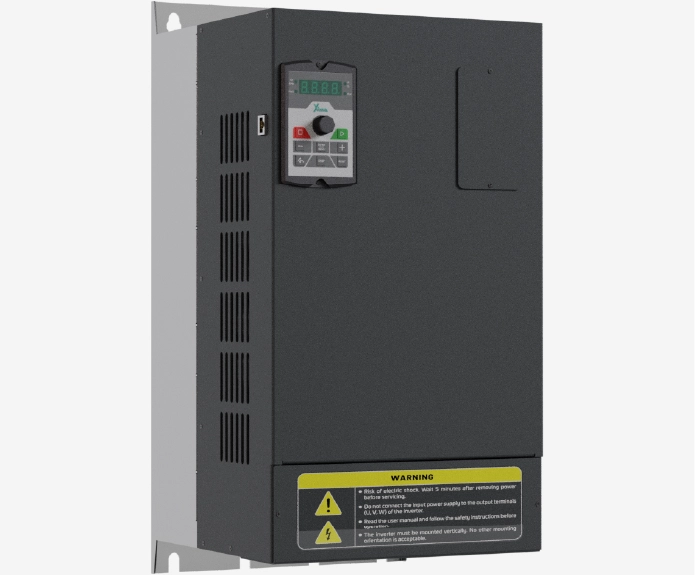
اینورتر 37 کیلووات سه فاز سری صنعتی
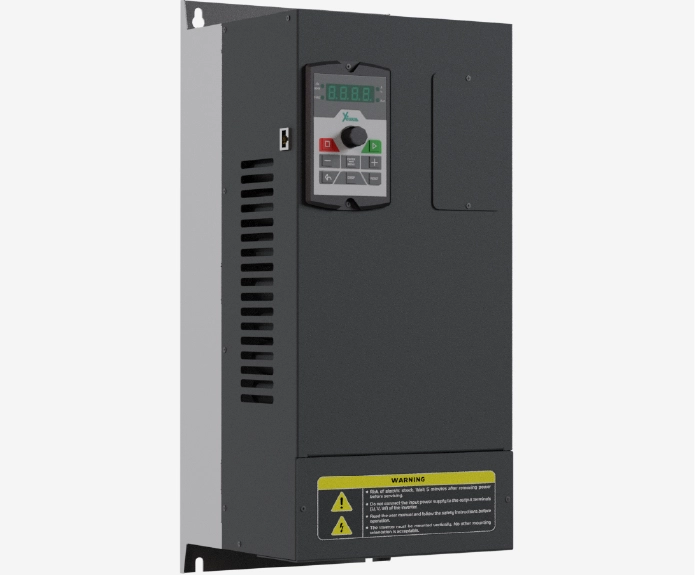
اینورتر 30 کیلووات سه فاز سری صنعتی
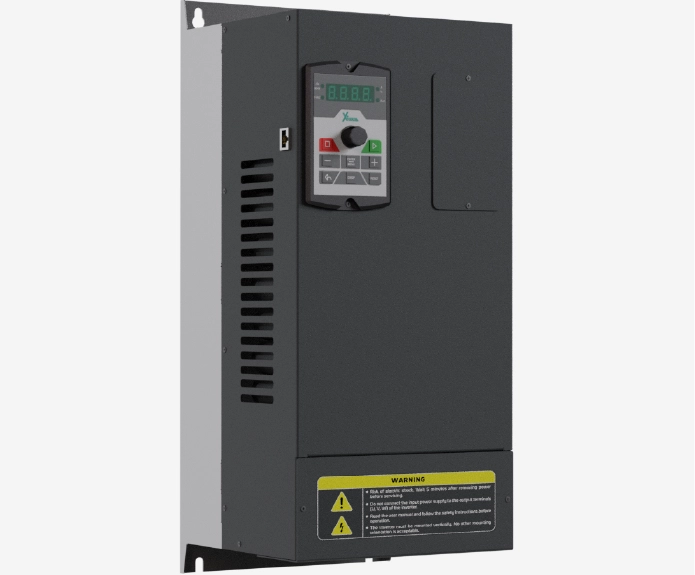
اینورتر 22 کیلووات سه فاز سری صنعتی
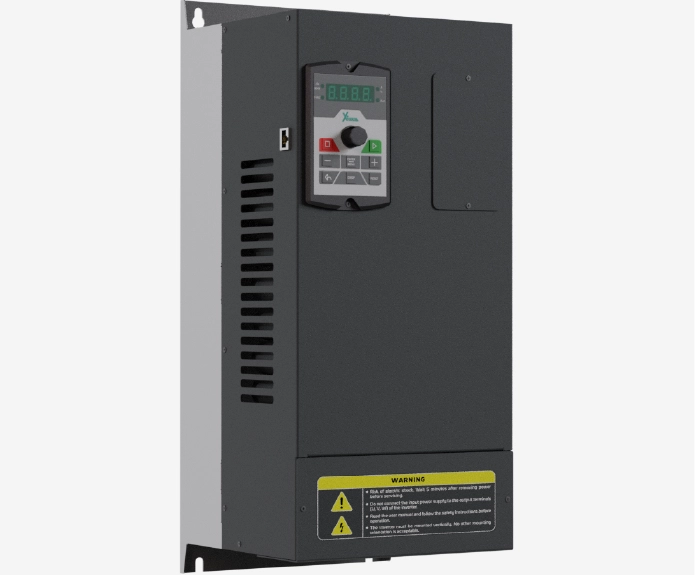
اینورتر 18.5 کیلووات سه فاز سری صنعتی
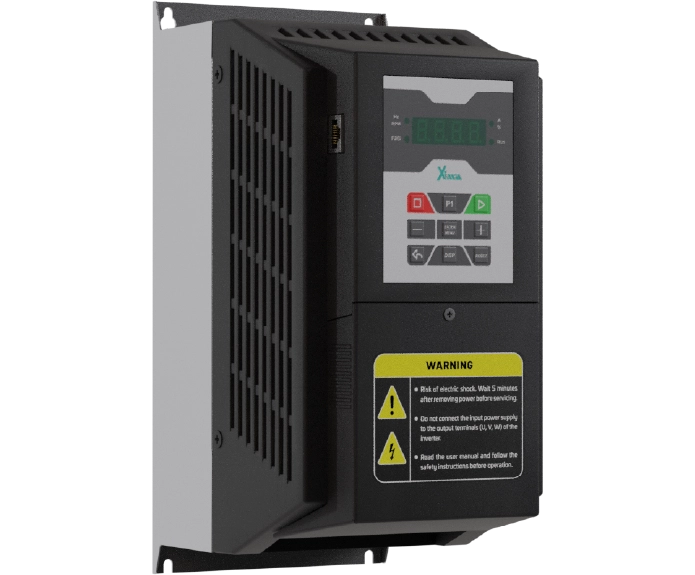
اینورتر 15 کیلووات سه فاز سری صنعتی
نظرات کاربران
دیدگاهها
هنوز دیدگاهی ثبت نشده است.