Iranian vs. Foreign Inverters: Quality, Price & Performance Comparison

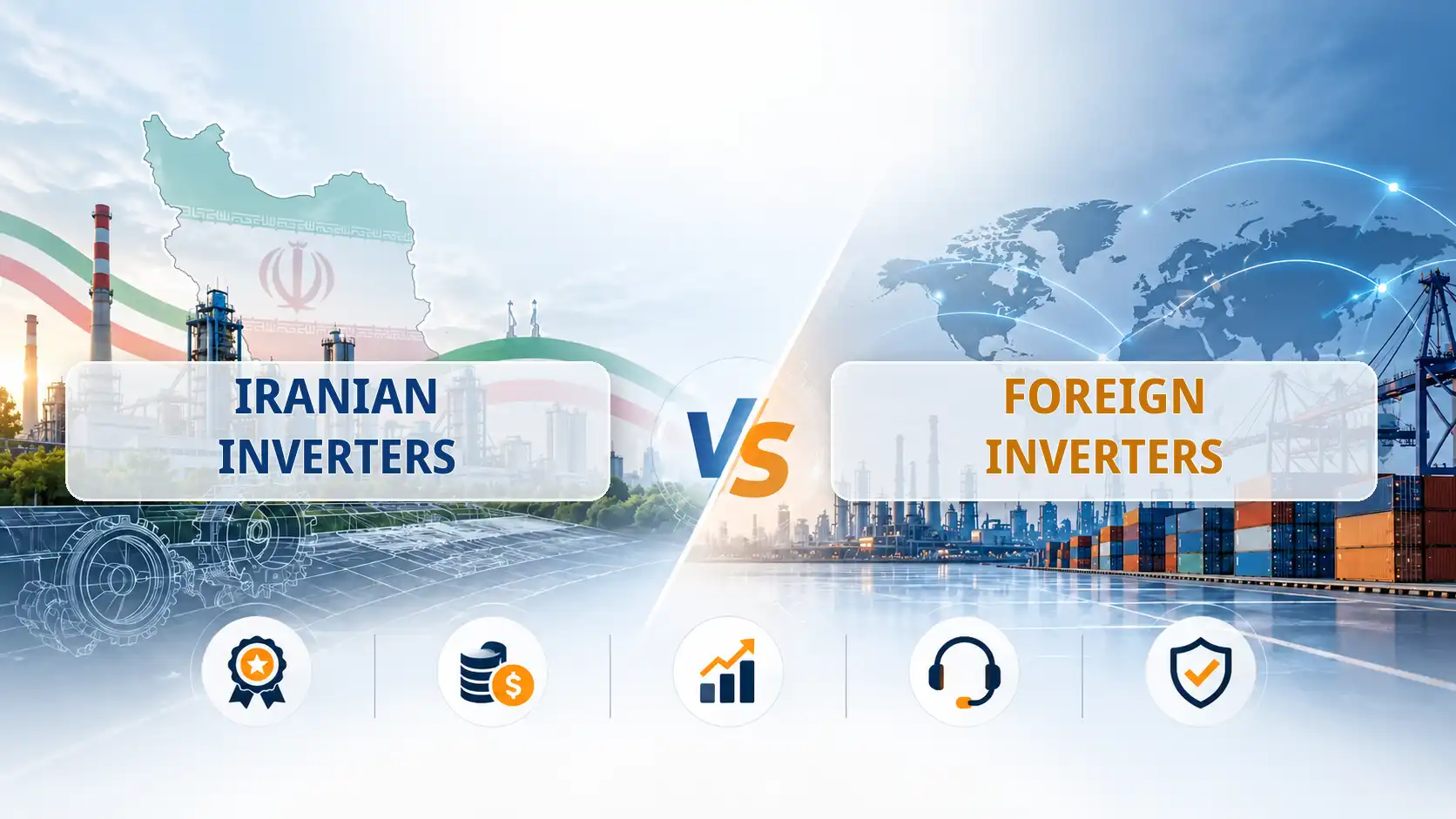
Iranian or Foreign Inverters? A Real Comparison of Drive Quality, Performance, and Cost
Choosing between an Iranian or foreign inverter is an important decision when purchasing motor speed control equipment. Many buyers still assume that foreign drives are necessarily better because of their longer presence in international markets. On the other hand, Iranian-made products may offer advantages in purchase costs, spare parts availability, and after-sales support.
But does a foreign inverter always deliver better performance? Can an Iranian drive effectively meet the requirements of industrial machinery, water pumps, lifting equipment, and automation systems?
The answers depend on the drive’s technical specifications, motor operating conditions, and long-term ownership costs. In this article, we provide a detailed comparison of Iranian and foreign inverters, focusing on practical criteria such as rated power and output current, torque control, energy efficiency, total cost of ownership, and technical support.
Iranian or Foreign Inverter: Which Is Better? The Short Answer
If an Iranian inverter meets a project’s technical specifications, safety requirements, and operational needs, it can be the better choice for many industrial applications in Iran. This advantage is not limited to the initial purchase price. Access to technical support, easier follow-up on repairs, and reduced dependence on imported spare parts also play an important role in the purchasing decision.
However, projects requiring specific communication protocols, specialized certifications, or advanced control functions must be evaluated individually to ensure that the selected model meets all requirements.
Simply put, the best inverter is the one that meets the project’s technical needs while offering a reasonable total cost of ownership and reliable support. For many common industrial applications, a suitable Iranian-made product can meet these expectations.
What Is the Difference Between Iranian and Foreign Drives?
A motor drive, also known as an inverter or variable frequency drive (VFD), is an electronic device that controls the speed and operation of an electric motor by adjusting its output frequency and voltage.
Both Iranian and foreign drives can use similar power electronics principles and motor control methods. Therefore, their main differences are not necessarily related to how they operate. Instead, the differences often involve the features of each model, technical support, and operating conditions.
Iranian vs. Foreign Inverters: Key Comparisons
- Motor speed control
Iranian Inverter: Depends on the model’s control algorithms and specifications
Foreign Inverter: Depends on the model’s control algorithms and specifications - Torque control
Iranian Inverter: Available in models equipped with vector control
Foreign Inverter: Available in models equipped with vector control - Purchase price
Iranian Inverter: Potentially more cost-effective in the domestic market
Foreign Inverter: Affected by import costs and exchange rates - After-sales service
Iranian Inverter: Potentially more direct access to the domestic manufacturer
Foreign Inverter: Depends on the distributor and service provider - Spare parts availability
Iranian Inverter: Parts and service can be arranged through domestic support networks
Foreign Inverter: Depends on inventory and import conditions - Installation and training
Iranian Inverter: Access to Persian-language manuals and local technical support may be available
Foreign Inverter: Depends on documentation and supplier services - Software customization
Iranian Inverter: Possible through cooperation with the manufacturer for certain products
Foreign Inverter: Depends on the manufacturer’s development policies - Specialized applications
Iranian Inverter: Industrial, pump, solar, and lifting drive models are available
Foreign Inverter: A wide range of general-purpose and specialized models is available
This comparison shows that neither category has an automatic technical advantage simply because of its country of origin. A valid assessment requires comparing equivalent drive models under the same operating conditions.
Comparing the Quality and Technical Performance of Iranian and Foreign Inverters
The most important measure of inverter quality is its ability to provide stable, appropriate motor control under actual operating conditions.
For an industrial drive, factors such as rated output current, overload capacity, motor control method, speed and torque control accuracy, and electrical protection features are more important than where the product is manufactured.
Technical specifications published for domestically manufactured products show that some Iranian drives offer features such as V/F control, sensorless vector control, automatic motor parameter tuning (Auto Tune), PID control, and Modbus industrial communication.
These capabilities are useful in many common applications, including conveyor belts, fans, mixers, and production machinery.
Examining the Actual Specifications of an Iranian Industrial Inverter
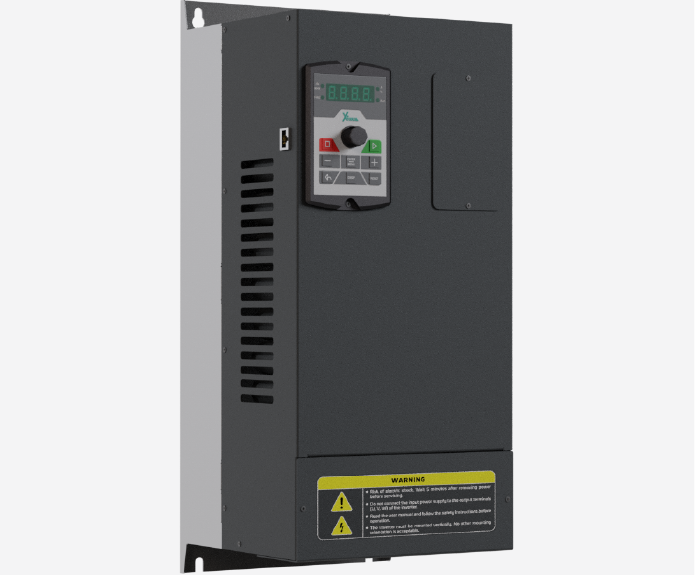
To avoid relying solely on general claims, let’s examine the published specifications of an Iranian industrial inverter rated at 11 kW with a three-phase power input.
The following information is taken from the product’s published technical specifications.
- Rated power
Iranian Industrial Inverter: 11 kW
Criteria for Comparing an Equivalent Foreign Model: Equivalent rated power suitable for the load type - Input voltage
Iranian Industrial Inverter: 380 V, three-phase
Criteria for Comparing an Equivalent Foreign Model: Compatibility with the available power supply - Rated output current
Iranian Industrial Inverter: 26 A
Criteria for Comparing an Equivalent Foreign Model: Sufficient rated current for the selected motor - Control method
Iranian Industrial Inverter: V/F and sensorless vector control
Criteria for Comparing an Equivalent Foreign Model: Comparison of control algorithms and control accuracy - Overload capacity
Iranian Industrial Inverter: 150% stated in the product family’s specifications
Criteria for Comparing an Equivalent Foreign Model: Review of the overload curve and allowable duration - Energy conversion efficiency
Iranian Industrial Inverter: Above 97.5% under the specified test conditions
Criteria for Comparing an Equivalent Foreign Model: Efficiency comparison under identical test conditions - Industrial communication
Iranian Industrial Inverter: Modbus via RS-485
Criteria for Comparing an Equivalent Foreign Model: Compatibility with the project’s control network - Enclosure protection rating
Iranian Industrial Inverter: IP20
Criteria for Comparing an Equivalent Foreign Model: Suitability for the installation environment and electrical cabinet - Ambient temperature range
Iranian Industrial Inverter: Above -10°C and below 50°C
Criteria for Comparing an Equivalent Foreign Model: Assessment of temperature limits and required derating
Source: Industrial drive technical specifications
These figures refer to a specific product family and should not be generalized to all Iranian inverters.
There is also an important technical detail regarding overload capacity. According to the official manual for this drive family, at 150% of rated current, the allowable overload duration is 60 seconds from a cold start and 15 seconds when starting from rated load. Therefore, simply stating that a drive supports a “150% overload” is not enough for an accurate comparison. The initial load conditions must also be considered.
The reported efficiency of more than 97.5% is based on conditions where PF = 1 and the output voltage equals the input voltage. This figure represents a published technical specification of the product; it does not prove that the drive consumes less electricity than every foreign alternative.
Further details about testing conditions and overload performance are available in the industrial drive technical manual.
How Should You Compare the Quality of Iranian and Foreign Inverters?
For an accurate comparison, start by selecting two drives with similar power ratings, voltage specifications, and intended applications. Then evaluate their rated output current, low-speed motor control capabilities, overload capacity, and electrical protection features.
For example, if a motor requires a rated current of 25 A, an inverter with an output current below the required value would not be a suitable choice, regardless of whether it is Iranian or foreign.
For heavy-duty applications, it is also necessary to determine how much overload the drive can withstand and for how long. The allowable overload duration from a cold start may differ from the duration available when the motor has already been operating at its rated load.
Therefore, the presence of vector control or high efficiency alone does not prove that one inverter is superior to another. However, these specifications indicate that the product offers important technical capabilities.
An Iranian inverter can therefore be a suitable option in terms of performance, provided that the selected model’s actual specifications match the project’s requirements.
Iranian vs. Foreign Drive Prices: Which Is More Cost-Effective?
Price is one of the most important factors when selecting a drive, but a meaningful economic comparison involves more than the initial purchase cost.
Foreign drives may involve additional expenses due to import costs, exchange rate fluctuations, and spare parts supply conditions. In contrast, purchasing from a domestic manufacturer may provide more direct access to technical services and spare parts inquiries.
However, this does not mean that every Iranian inverter is necessarily cheaper. A fair price comparison requires obtaining quotations for two equivalent models at the same point in time.
How Is the Total Cost of Ownership of an Inverter Calculated?
In industrial environments, the true cost of a drive goes beyond its invoice price. Installation expenses, energy consumption, potential repairs, and equipment downtime also matter.
A simplified total cost of ownership formula is:
Total Cost of Ownership = Purchase Price + Installation and Commissioning + Energy Costs + Maintenance and Repairs + Potential Equipment Downtime Costs
For example, imagine that an inverter operating on a production line develops a fault. If obtaining a replacement part or repairing the drive takes several days, the resulting production downtime may cost more than the repair itself.
The financial impact of downtime can be estimated using the following formula:
Downtime Cost = Equipment Downtime Hours × Financial Loss per Hour
In this situation, a drive that allows faster access to technical support and replacement parts may prove more economical over the long term, even if the initial purchase prices of the two products are similar.
Do Iranian Drives Always Have Lower Maintenance Costs?
No. Actual maintenance costs depend on failure rates, spare parts prices, operating conditions, and the quality of technical services.
However, when two drives offer comparable technical performance, direct access to domestic support and the possibility of reducing equipment downtime can provide a significant economic advantage for the Iranian model.
For this reason, when choosing between an Iranian and foreign inverter, buyers should consider the warranty period, repair conditions, spare parts lead times, and potential downtime costs in addition to the purchase price.
After-Sales Support: An Important Advantage of Iranian Drives in Iran
One of the most significant practical differences between Iranian and foreign drives is the accessibility of technical services.
Many drive-related problems result from incorrect parameter settings, unsuitable drive sizing, wiring errors, or improper installation conditions. In these situations, access to a technical specialist familiar with the product can make troubleshooting easier.
A review of the published service commitments of one domestic manufacturer shows that the following services are offered for its products:
- Replacement warranty: 24 months
- After-sales service: 10 years
- Telephone support: Seven days a week, including public holidays, from 9:00 AM to 9:00 PM
- Product returns: Up to 7 days, subject to applicable terms
- Technical training: Specialized drive installation and commissioning training
- Replacement equipment: Provided according to the manufacturer’s stated service conditions
These are the published commitments of one specific manufacturer and should not be assumed to apply to every Iranian drive.
Nevertheless, clear warranty terms and accessible support demonstrate why after-sales service should be taken as seriously as technical specifications when selecting industrial equipment.
For foreign drives, service quality also depends on the reliability of the local distributor, spare parts inventory, warranty conditions, and the technical capabilities of the service provider.
Therefore, if two drives meet the project’s technical requirements equally well, the option offering more reliable and accessible support may be the more practical choice.
The complete conditions can be reviewed on the after-sales support and technical service page.
Iranian or Foreign Drives for Different Industrial Applications?
Selecting a drive depends on the type of machinery and the motor’s operating conditions. An inverter suitable for a water pump is not necessarily the right choice for controlling a crane or lifting system.
For this reason, the application and required functions should be identified before considering the country of manufacture.
Iranian Inverters for Water Pumps and Booster Pump Systems
In pumping systems, pressure control, dry-run protection, and efficient operation during periods of low demand are particularly important.
Some Iranian pump drives offer features such as PID control, dry-run detection, sleep mode, and coordinated operation of multiple pumps.
For example, the published specifications of one domestically manufactured pump drive family state that it can control up to five variable-speed pumps and eleven fixed-speed pumps using the relevant additional equipment.
These capabilities show that an Iranian drive can be a specialized option worth considering for many water supply and booster pump systems.
To learn more about these functions, explore the features of specialized pump drives and the inverter selection guide for water pumps.
Iranian Inverters for Conveyor Belts and Industrial Machinery
In equipment such as conveyors, mixers, and production machinery, acceleration, speed, and torque control are essential.
Some Iranian industrial drives support V/F and sensorless vector control algorithms and include features such as Auto Tune, torque boost, and motor protection functions.
These capabilities can be suitable for many general industrial applications. However, the drive must be selected according to the motor current and actual load conditions.
For example, starting an unloaded conveyor is not the same as starting a machine that must move a heavy load from a standstill. These situations have different starting requirements.
Therefore, choosing an Iranian industrial drive for such applications is appropriate when its output capacity, starting torque, and overload capability match the machine’s requirements.
Iranian Drives for Elevators, Cranes, and Lifting Equipment
In lifting applications, precise motion control, low-speed torque, accurate stopping, and brake coordination are especially important.
Published specifications for specialized domestic drives show that some models support open-loop and closed-loop control, automatic motor tuning, and encoder feedback-related functions.
These features can be useful for elevator and lifting applications. However, selecting a drive should not be based on motor power alone.
In such systems, compatibility with the control panel, encoder, motor, braking circuit, and applicable safety requirements must be evaluated by a qualified specialist.
A motor speed control drive is also not a substitute for the equipment’s independent safety devices and safety circuits.
Iranian Drives for Solar Water Pumps
Some pumping systems receive their electrical power from solar panels. These applications require a drive that is compatible with the power source and the pump’s operating conditions.
One domestically manufactured solar pump drive family is designed to support battery-free pumping and offers the option of using utility power or a generator as a backup source.
This capability shows that domestically manufactured drives are not limited to general-purpose industrial applications and have also been developed for specialized systems.
When making a final selection, the solar array specifications, allowable voltage range, pump power, and starting conditions must be evaluated.
Iranian vs. Foreign Drive Selection by Application
- Water pumps and booster pumps
Main Selection Criteria: Pressure control, PID, and dry-run detection
Recommendation: A specialized Iranian pump drive if it meets the project’s functional requirements - Conveyors and mixers
Main Selection Criteria: Torque, output current, and overload capacity
Recommendation: An Iranian industrial drive matched to the load type - Industrial fans and ventilation
Main Selection Criteria: Speed control and stable operation
Recommendation: Compare equivalent models; an Iranian drive with suitable support may be preferable - Elevators and lifting systems
Main Selection Criteria: Motion control, encoder, braking, and safety
Recommendation: Select a specialized model after confirming compatibility - Solar water pumps
Main Selection Criteria: Compatibility with the power source and motor
Recommendation: A solar pump drive suited to the system - Advanced industrial automation
Main Selection Criteria: Specialized protocols and equipment integration
Recommendation: Select the model that meets all communication requirements
These points show that, for many industrial applications, domestic options can be evaluated first. If they satisfy the technical requirements, their service and economic advantages may make them a practical choice.
What Are the Disadvantages of Iranian Inverters?
For a balanced comparison, it is important to understand the potential limitations of Iranian drives.
Limitations in Certain Communication Features
Some Iranian drives support Modbus communication, but a particular project may require a different industrial protocol. In such cases, compatibility between the selected model and the industrial control network must be verified.
Installation Environment Limitations
For example, an IP20 protection rating on certain domestic industrial drive models means that the equipment is not suitable for direct installation in wet environments or areas exposed to water spray.
These drives must be installed in an appropriate environment or electrical enclosure. However, the same limitation applies to foreign products with a similar protection rating.
At certain temperatures or altitudes, output capacity derating may also be required. Therefore, the environmental conditions specified in each model’s manual must be followed.
Special Requirements in Industrial Projects
Some projects require specific technical certifications, specialized safety functions, or compatibility with previously installed equipment.
In these cases, if the Iranian model under consideration cannot meet the requirements, using a suitable foreign inverter may be technically justified.
Quality Differences Between Manufacturers
Not all Iranian inverters offer the same quality and features, just as foreign products do not all perform at the same level or provide identical durability.
A proper selection should consider technical specifications, documentation, warranty conditions, operating experience, and the reliability of each model’s support services.
Understanding these limitations helps buyers select a drive based on actual project requirements rather than general assumptions about the country of origin.
When Is a Foreign Inverter the Better Choice?
In some projects, purchasing a foreign inverter may be necessary or more appropriate.
For example, if a production line was originally designed around a specific drive model and changing that drive would require software modifications, control panel redesign, or renewed equipment validation, retaining the existing model may reduce technical risks.
Likewise, a foreign drive may offer a communication feature, control function, or certification required by the project that is not available in the Iranian model being evaluated.
However, such circumstances do not establish that foreign drives are generally superior. The decision should be based on specific technical requirements.
If both options meet the necessary performance and safety standards, access to domestic technical services and lower potential maintenance costs may shift the decision in favor of the Iranian inverter.
Do Iranian Inverters Consume More Electricity Than Foreign Models?
The energy consumption of a motor-driven system depends on the motor type, mechanical load, drive efficiency, control method, and operating pattern.
For this reason, it is not accurate to claim that all Iranian inverters consume either more or less electricity than foreign alternatives.
An accurate comparison requires measuring the efficiency of two drives under identical load and testing conditions.
In applications such as centrifugal pumps and fans, properly adjusting motor speed can reduce overall system energy consumption. However, the actual savings depend on the system’s operating conditions.
Therefore, rather than comparing products only by their country of manufacture, buyers should evaluate the published efficiency figures, testing conditions, and suitability of the control method for the intended load.
Buying Guide: How to Choose Between Iranian and Foreign Drives
Before making a final decision, compare the following information for both options.
- Step 1
What to Check: Motor nameplate and rated current
Why It Matters: Helps prevent incorrect drive sizing - Step 2
What to Check: Input power supply and output voltage
Why It Matters: Ensures electrical compatibility - Step 3
What to Check: Load type and starting conditions
Why It Matters: Determines torque and overload requirements - Step 4
What to Check: Control and protection features
Why It Matters: Ensures the drive meets project requirements - Step 5
What to Check: Price, warranty, and service
Why It Matters: Helps calculate the actual cost of ownership
If the technical specifications of two drives are similar, request information from both suppliers about repair turnaround times, spare parts availability, and warranty coverage.
For more details about selecting the appropriate drive size and type, see the industrial inverter selection guide based on motor power and current.
Frequently Asked Questions About Iranian and Foreign Inverters
Is the Quality of Iranian Inverters Comparable to Foreign Models?
Yes. Some Iranian inverters offer features such as vector control, Auto Tune, PID control, industrial communication, and advanced electrical protection. However, comparing the quality of two specific products requires evaluating their performance and durability under equivalent conditions.
Are Iranian Drives Suitable for Continuous Industrial Operation?
Models designed for industrial applications can operate within the conditions specified by their manufacturers. Proper drive sizing, adequate cabinet ventilation, correct installation, and compliance with maintenance instructions are essential for stable operation.
Are Iranian Inverters Cheaper Than Foreign Inverters?
This depends on the power rating, features, model, and current market conditions. A meaningful cost comparison should consider up-to-date quotations for equivalent products, along with installation, maintenance, and after-sales service expenses.
Can Iranian Drives Provide Precise Motor Speed Control?
Yes. Some domestic industrial drive models support vector control, automatic motor tuning, and advanced control functions. Actual control accuracy depends on the drive algorithm, motor type, parameter settings, and load conditions.
Are Spare Parts for Iranian Drives Easier to Obtain?
Domestic manufacturing can provide more direct access to technical services and spare parts inquiries. However, actual spare parts availability should be confirmed with the supplier. This advantage should not automatically be assumed for every Iranian drive model.
Are Iranian Drives Suitable for Water Pumps?
Yes. Some specialized Iranian pump drives offer features such as pressure control, PID regulation, dry-run detection, and sleep mode. The selected model must still match the pump’s power requirements, motor current, and operating conditions.
Ultimately, Is an Iranian or Foreign Inverter Better?
If an Iranian drive meets the project’s power, current, motor control, protection, and safety requirements, easier access to domestic support and the potential for lower maintenance costs can make it a more suitable option. Projects with specialized requirements should still be evaluated individually.
Conclusion: Why an Iranian Inverter Can Be the Better Choice
Comparing Iranian and foreign inverters shows that the country of manufacture alone is not a reliable measure of drive quality.
What matters most is whether the drive’s technical specifications match the project’s requirements, whether it provides dependable motor operation, how much it costs to own and maintain, and how accessible its after-sales services are.
Actual specifications published for domestically manufactured products show that some Iranian drives include features such as vector control, automatic motor tuning, electrical protection systems, industrial communication, and specialized functions for pumps and lifting equipment.
Furthermore, accessible technical support, direct follow-up on repairs, and reduced dependence on imported spare parts are important advantages under Iranian market conditions.
Therefore, for many industrial, pumping, and machinery manufacturing projects in Iran, an Iranian inverter can be the more practical and economical choice, provided that it meets all technical and safety requirements. Its suitable capabilities, accessible support, and potential for better maintenance cost control make it a strong option.
Before purchasing a foreign inverter, it is worth evaluating the specifications of available Iranian models. In many common industrial applications, a reliable and suitable solution can be found among domestically manufactured products.
To select the right model, you can submit your motor nameplate specifications, available power supply details, and equipment operating conditions through the technical consultation and contact page.
Products
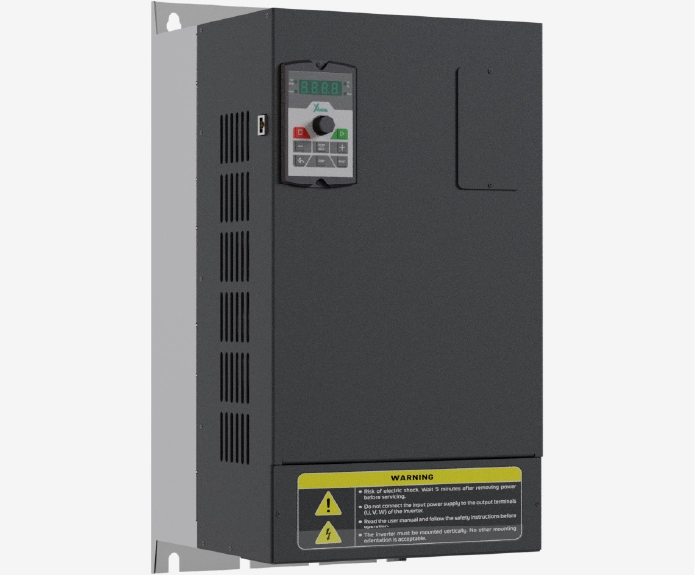
55 kW Three-Phase Solar Pump Series Inverter
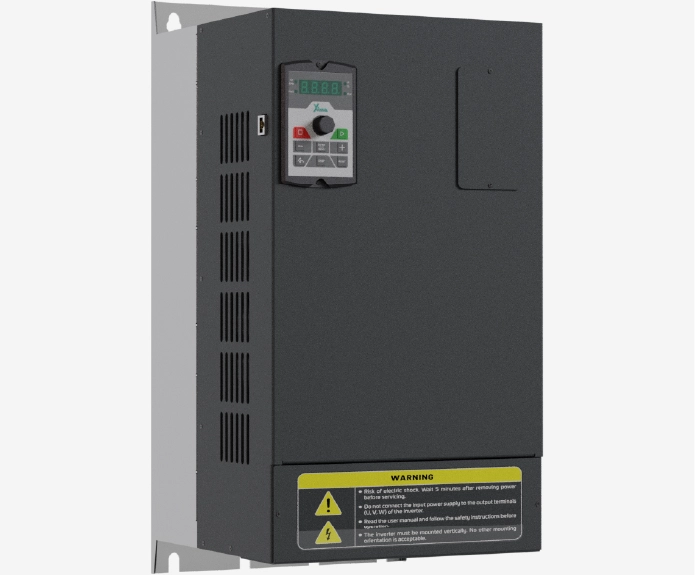
45 kW Three-Phase Solar Pump Series Inverter
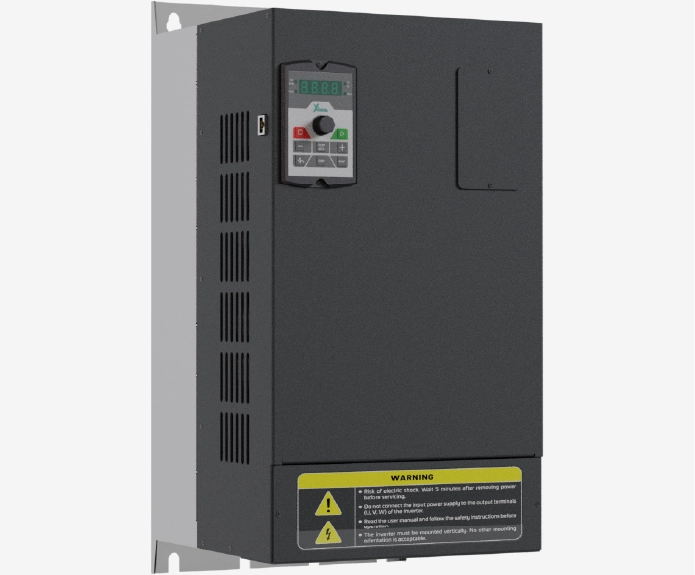
37 kW Three-Phase Solar Pump Series Inverter
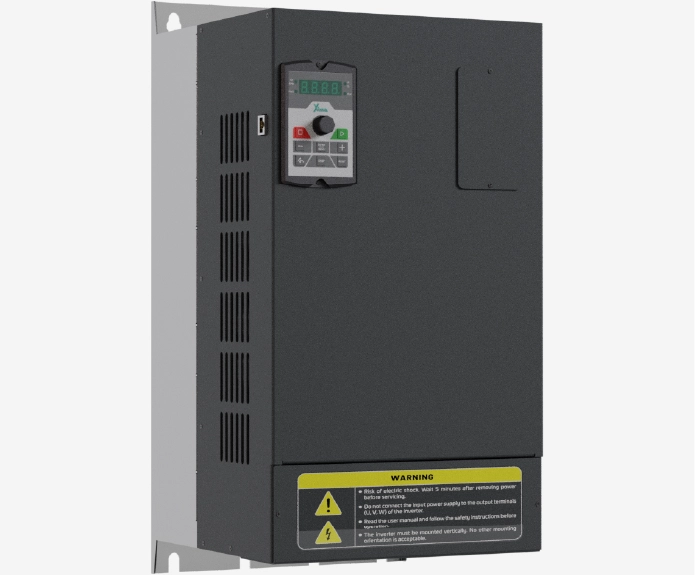
55 kW Three-Phase Industrial Series Inverter
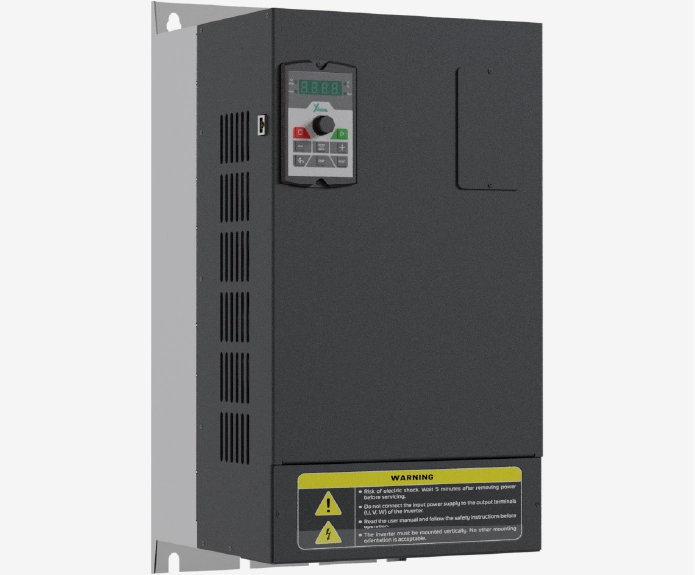
45 kW Three-Phase Industrial Series Inverter
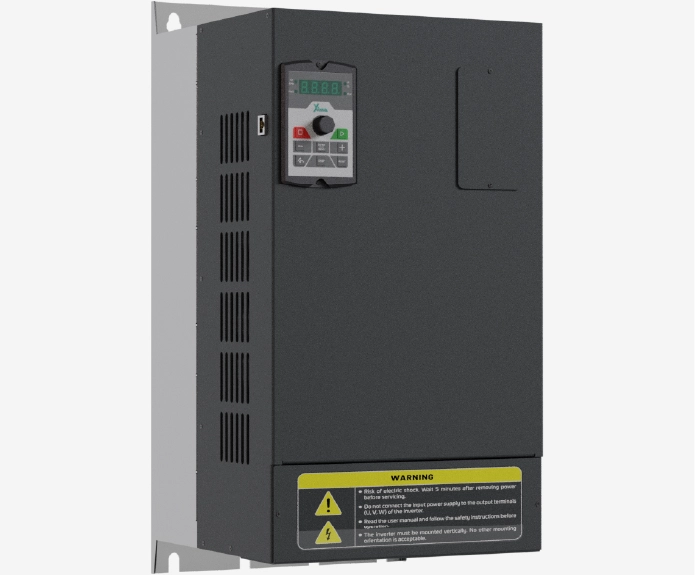
37 kW Three-Phase Industrial Series Inverter
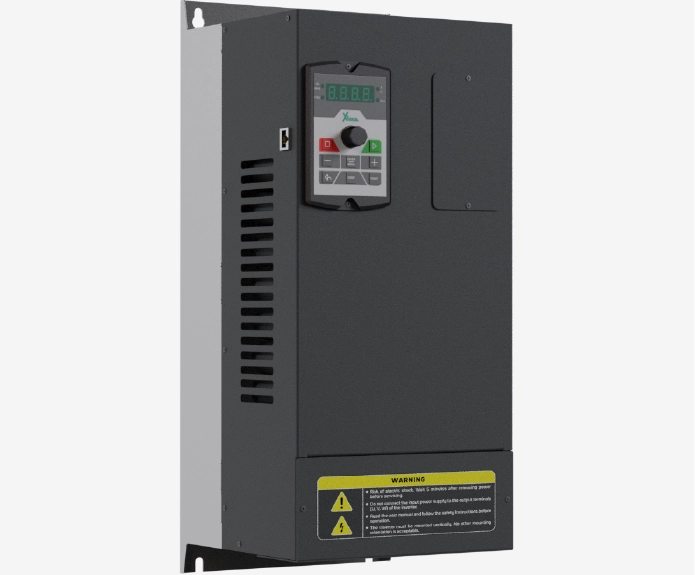
30 kW Three-Phase Solar Pump Series Inverter
User Comments
Comments
No comments yet.