Conveyor Belt Inverters: A Guide to Choosing and Buying the Right One for Your Production Line

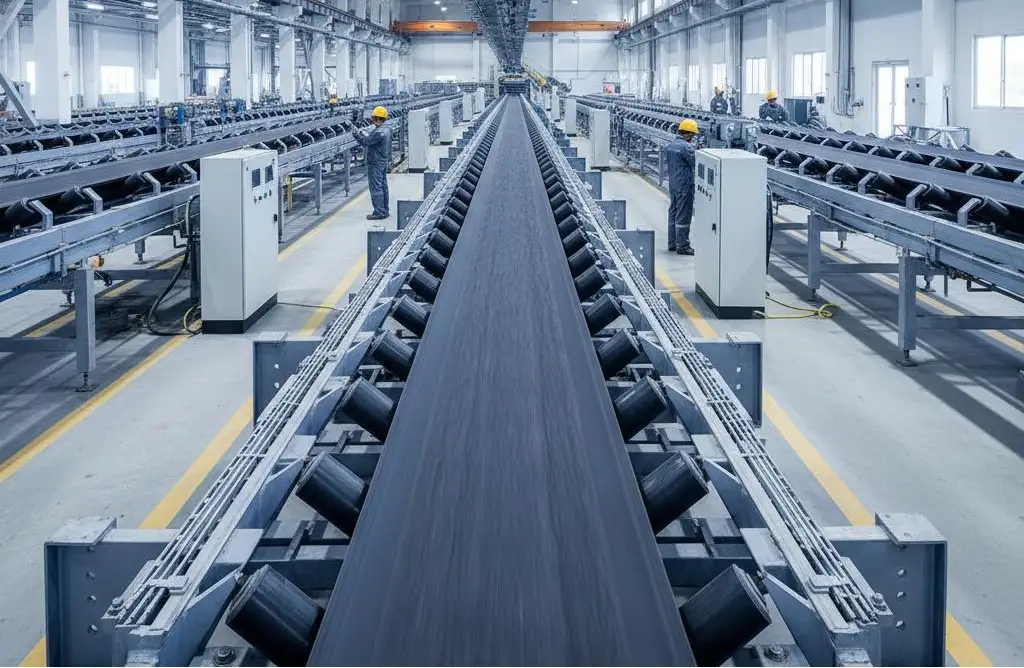
Conveyor inverter Selection: Choose the Right Drive for Your Line
A conveyor can run smoothly when empty, then hesitate, jerk or trip the drive as soon as it starts with a full load. Elsewhere on the line, a conveyor may start reliably but feed products faster than the packaging machine can accept them.
These operating conditions should shape your choice of conveyor drive . You need a drive that can handle the starting load, maintain the required operating speed and work with the braking arrangements your application needs.
Whether you are building a new production line or replacing an existing drive, motor power is only the starting point. Loaded starts, prolonged operation at low speed and frequent stops can change what the application requires.
Before comparing models, follow the conveyor through one complete operating cycle. What happens when it starts? How does the load change during operation? What keeps the belt under control when it stops?
Start With How Your Conveyor Operates
A variable frequency drive, or inverter, adjusts the frequency and voltage supplied to a compatible AC motor. On a conveyor, this provides a way to adjust belt speed and control acceleration and deceleration.
The selection priorities depend on how the conveyor works.
Light loads and steady operation
On a simple transfer conveyor, the main requirements may be adjustable speed and gradual acceleration. A correctly sized drive using V/f control can be suitable, provided it meets the required speed range and load conditions.
There is little value in paying for advanced functions that the process will never use. Start by defining the performance the line actually needs.
Starting with a fully loaded belt
A loaded start places different demands on the motor and drive. The system must overcome initial friction and accelerate the belt, material and rotating components.
Starting torque, overload current, acceleration time and the number of starts per hour all matter. A drive that performs well on an empty conveyor may need a different assessment when the belt starts fully loaded.
Inclined conveyors and controlled stopping
On an inclined conveyor, selection also involves what happens during deceleration, stopping and a power failure.
A descending load may drive the motor and return energy to the drive. The application may therefore need electrical braking equipment, a mechanical holding brake or a suitably designed anti-rollback arrangement.
These requirements should be established before ordering the drive.
Size the Conveyor inverter by Current and Duty
Two drives labelled 5.5 kW are not automatically equivalent for your application. Their usable output current, overload capability and operating conditions may differ.
The distinction becomes important when the conveyor starts under load, accelerates frequently or runs in a hot enclosure.
When comparing drives, check:
- The motor’s rated current and the current required during operation.
- The drive’s continuous output current for the selected duty rating.
- The permitted overload current, its duration and how frequently it can occur.
- Any derating required for temperature, altitude or other installation conditions.
Choosing a larger drive should have a clear technical reason. A seized roller, excessive belt tension or unsuitable gearbox needs attention at the mechanical level.
Once the motor current and starting conditions are clear, comparing XIMA G Series industrial drives becomes more useful. You can narrow the options by operating requirements before comparing purchase prices.
Calculate the Belt Speed Your Process Needs
For conveyor belt speed control, the drive’s frequency setting is useful only when you understand how it relates to actual belt movement.
A packaging machine may need more time between incoming products. An inspection station may require a longer viewing time. Start by expressing the required belt speed in metres per minute.
For a conveyor without belt slip, an initial calculation is:
v = π × D × n ÷ iWhere:
vis belt speed in metres per minute.Dis the effective drive drum diameter in metres.nis motor speed in revolutions per minute.iis the total reduction ratio between the motor and drive drum.
Include any additional chain, pulley or gearbox stages in the total ratio.
A practical belt-speed example
Assume a drum diameter of 0.20 m, a reduction ratio of 30:1 and a motor speed of 1,440 rpm at 50 Hz.
v = π × 0.20 × 1,440 ÷ 30
v ≈ 30.2 m/min
If the process requires 18 m/min, an initial frequency estimate—assuming motor speed changes approximately in proportion to frequency—is:
f ≈ 50 × 18 ÷ 30.2
f ≈ 29.8 Hz
Treat this as a starting estimate. Measure the actual belt speed under load before finalising the setting, because motor slip and belt slip can affect the result.
Increasing frequency above the motor’s rated operating range also requires checking the limits of the motor, gearbox, drum and belt.
Check Low-Speed Torque and Motor Cooling
A conveyor can move slowly while its motor is still working hard.
Conveyors are commonly treated as constant-torque applications. Reducing belt speed does not necessarily reduce the torque needed to move the load by the same proportion.
At the same time, a motor with a shaft-mounted cooling fan receives less ventilation as its speed falls. Prolonged operation at low speed and substantial load can therefore create a thermal limitation.
If the conveyor will spend much of its working day at reduced speed, assess the motor, gearbox and drive together. Depending on the application, an independently powered motor fan, a different reduction ratio or a different motor may be needed.
There is no single minimum frequency that suits every conveyor motor.
Match the control method to the application
V/f control can be suitable for straightforward applications with modest speed-regulation requirements. Sensorless vector control is worth considering when low-speed torque or response to changing load is more demanding.
Performance depends on motor compatibility, correct motor data and appropriate commissioning.
The G Series control options include V/f and sensorless vector control, along with autotuning and Modbus communication. These capabilities allow the drive to be assessed against both the motor’s operating needs and the line’s control requirements.
Where actual belt speed must remain within a defined tolerance, consider whether suitable speed feedback and closed-loop control are required. Output frequency alone does not measure belt speed.
Set Acceleration Around the Load
An abrupt start can disturb product positioning and increase stress on the belt and transmission components.
A drive allows the acceleration time to be adjusted, but the setting must suit the load and system inertia. An excessively short ramp can increase the current demand. Simply extending the ramp does not guarantee that a heavily loaded conveyor will start successfully.
Check the mechanical condition first. Binding rollers, excessive belt tension or a brake that does not release fully should be corrected before attempting to compensate through drive settings.
A qualified technician should then configure the motor data, control method, speed reference and acceleration and deceleration limits according to the manufacturer’s instructions. Autotuning must also follow the approved procedure for the connected motor and load.
Commissioning should include testing under representative operating conditions. An empty-belt test does not demonstrate how the system will perform during a loaded start or a full production shift.
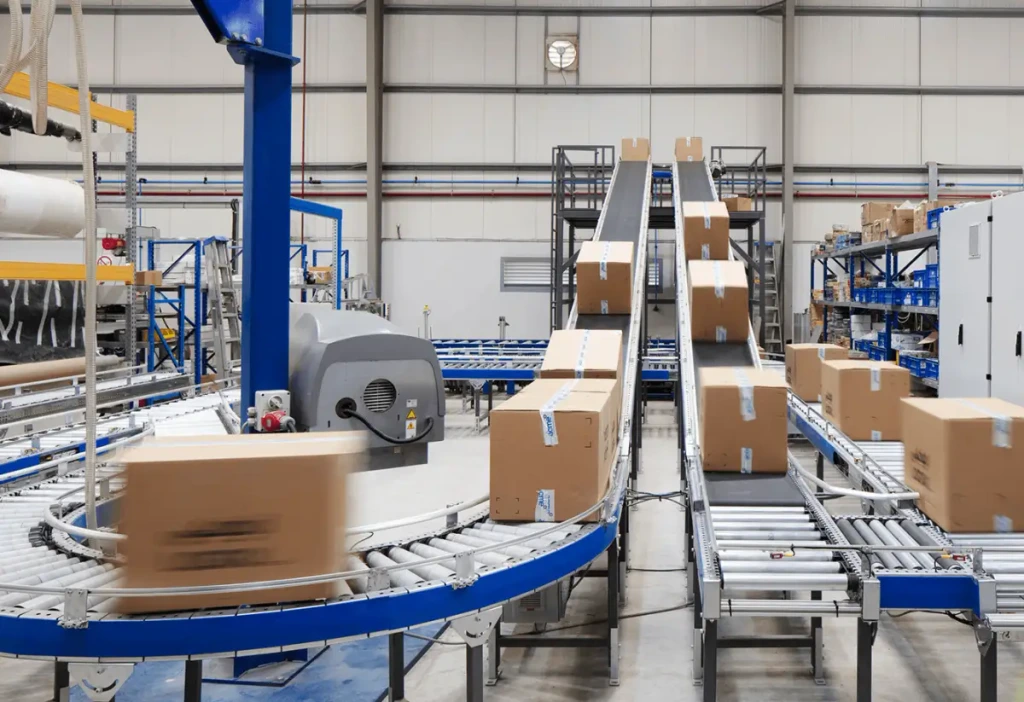
Plan for Braking and Holding on Inclined Conveyors
For an inclined conveyor, drive selection must address what happens after the command to stop.
During deceleration—or when a descending load drives the motor—mechanical energy can return to the inverter. Suitable braking equipment may be needed to manage that energy.
A braking resistor can form part of this arrangement. Its selection depends on the energy involved, power, duty cycle and the drive’s braking capabilities. A continuously descending load requires a different assessment from an occasional short stop.
A braking resistor does not hold a stationary conveyor in place.
Assess the need for a mechanical holding brake separately. A backstop prevents reverse rotation in its designed direction; it is not a universal substitute for a holding brake.
A normal inverter or PLC stop command also does not replace the machine’s emergency-stop system. Establishing these requirements early helps define both the equipment list and the installation cost.
Confirm Supply Voltage and Installation Conditions
A drive may appear suitable in terms of power and functions while being incompatible with the available supply or motor connection.
For single-phase supplies, check the selected drive’s output voltage carefully. Many drives with a 220 V single-phase input provide a 220 V three-phase output. Do not assume that they automatically produce 380 V.
The motor’s voltage rating and star or delta connection must be compatible with the drive output. A single-phase input rating also does not make a standard drive suitable for a single-phase capacitor motor.
Installation conditions deserve the same attention. Enclosure temperature, dust, altitude and ventilation can affect the usable capacity and installation requirements.
Check these details against the documentation for the exact model being considered.
Compare the Complete Cost of the Conveyor Drive System
A useful quotation should make clear what is included and what still needs to be supplied.
Alongside the drive, the project may require an enclosure, ventilation, braking equipment, controller integration and commissioning. These items can affect the total cost of putting the conveyor into service.
Ask the supplier to explain the model selection in terms of your application:
- What continuous output current is available under the proposed conditions?
- How has starting under load been assessed?
- What limitations apply during prolonged low-speed operation?
- Which accessories and commissioning services are included?
Clear answers make quotations easier to compare and help identify missing items before purchase.
Frequently Asked Questions
Will a conveyor drive reduce energy consumption?
The result depends on the load, operating speed and production pattern. Savings associated with centrifugal pump and fan applications cannot be transferred directly to conveyors.
For a meaningful assessment, compare energy use and production output under equivalent operating conditions.
Can a VFD replace the gearbox?
A drive adjusts motor speed, while a gearbox changes the relationship between speed and torque. Achieving low belt speed with sufficient torque usually requires selecting the motor, gearbox and drive as a coordinated system.
What information is needed to select a conveyor inverter?
Start with the motor nameplate details and available supply voltage. Then identify the required belt-speed range, whether the conveyor starts empty or loaded, the incline and the number of starts per hour.
For an existing installation, details of any drive trips—and when they occur—can also help with the assessment.
Get Help Choosing a drive for Your Conveyor
A technical discussion can turn a long list of drive models into a manageable set of options. XIMA’s team can review your motor, load and speed requirements to help you assess the appropriate drive, accessories and purchase cost.
Leave your contact details to discuss your conveyor application with XIMA and request advice on a suitable G Series model.
You can start with the motor nameplate and supply voltage if they are available. The operating details can be reviewed during the conversation, whether you are planning a new line or replacing an existing drive.
Products
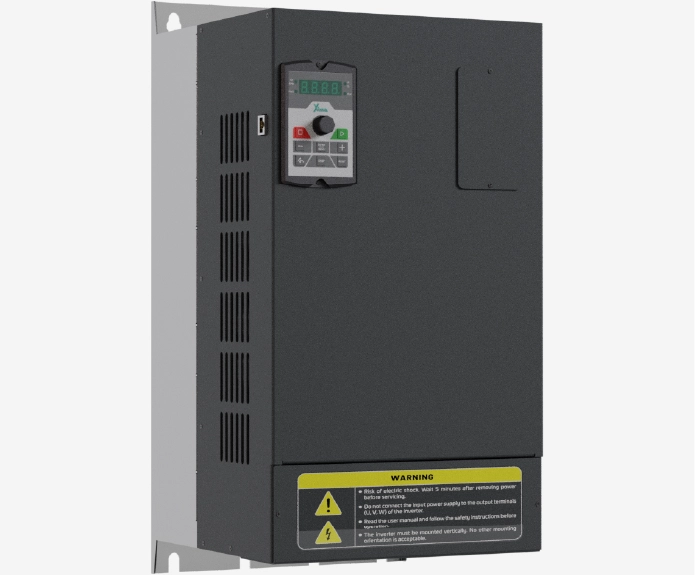
55 kW Three-Phase Industrial Series Inverter
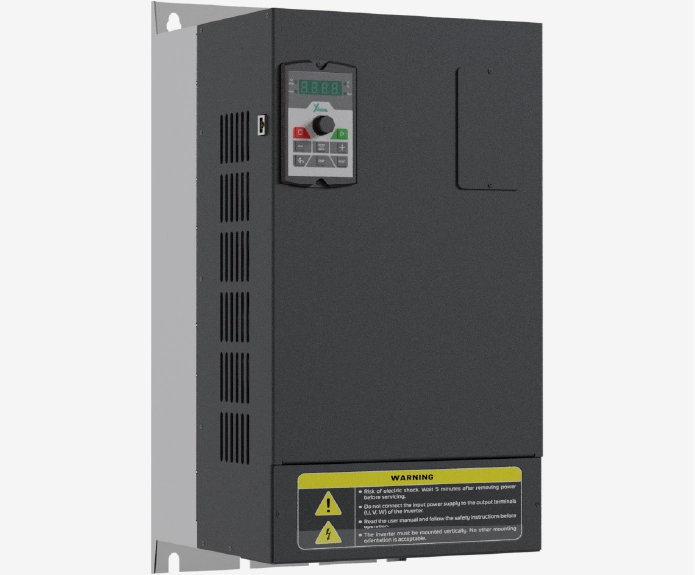
45 kW Three-Phase Industrial Series Inverter
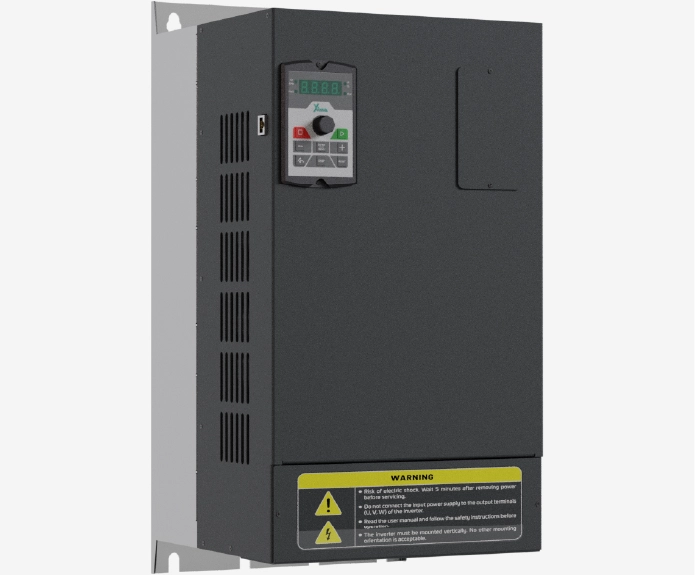
37 kW Three-Phase Industrial Series Inverter
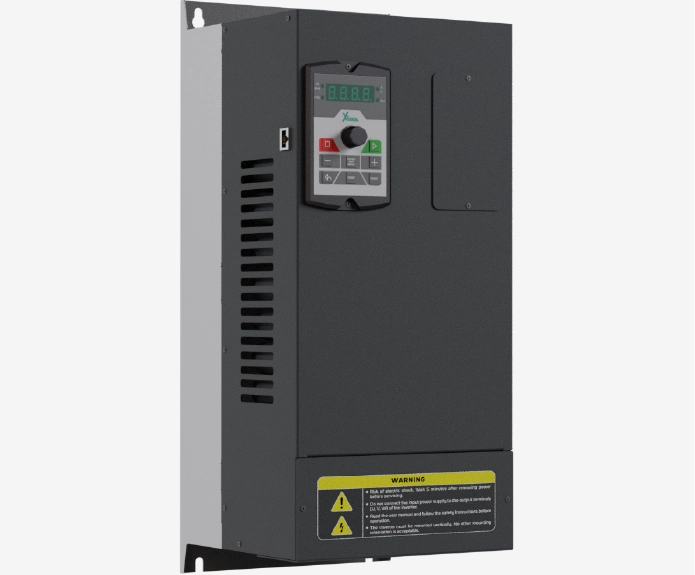
30 kW Three-Phase Industrial Series Inverter
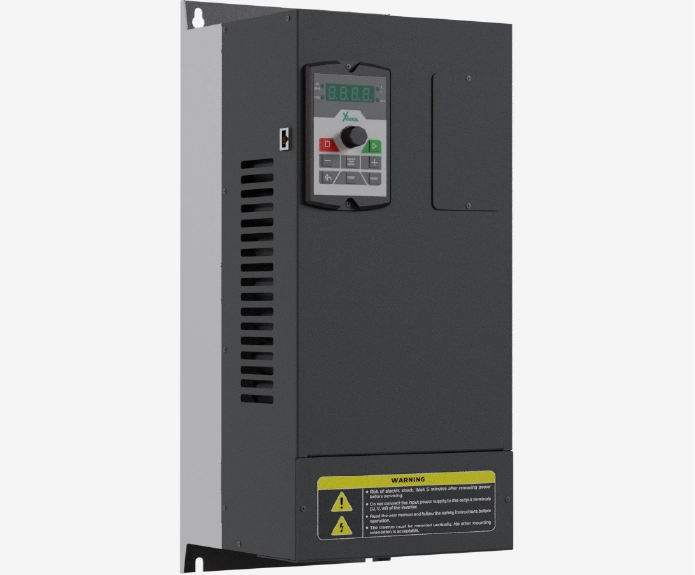
22 kW Three-Phase Industrial Series Inverter
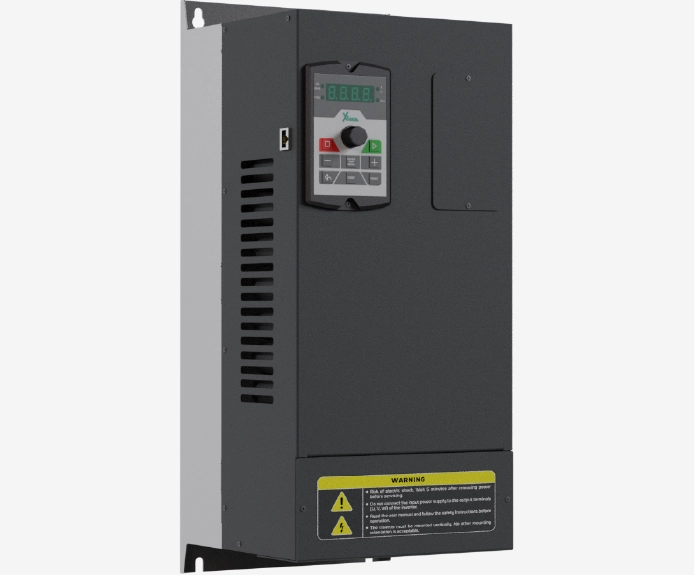
18.5 kW Three-Phase Industrial Series Inverter
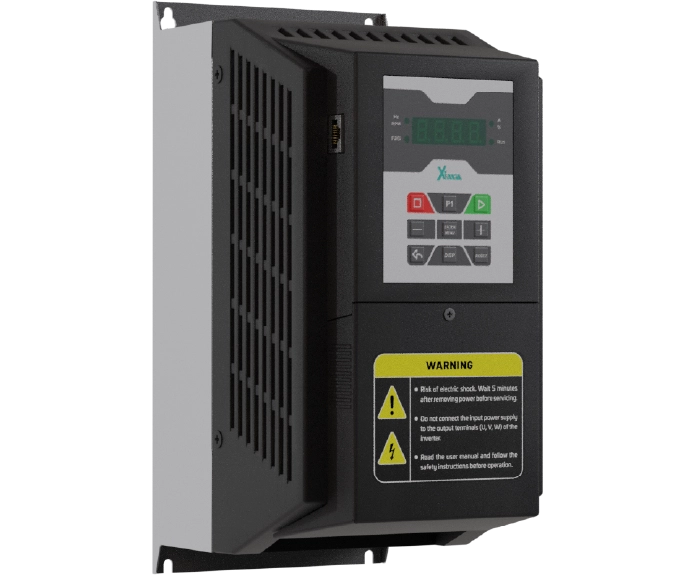
15 kW Three-Phase Industrial Series Inverter
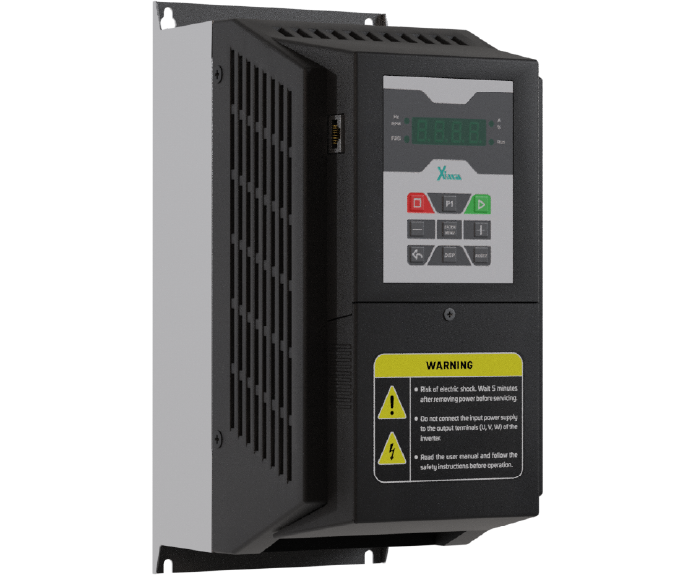
11 kW Three-Phase Industrial Series Inverter
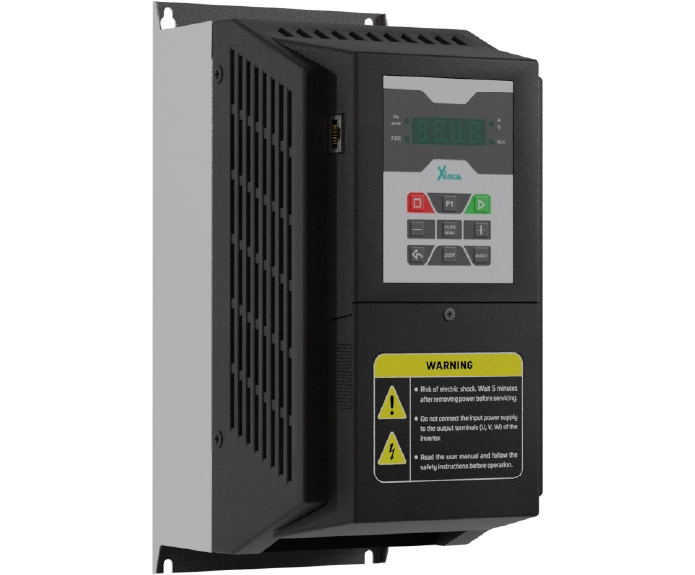
7.5 kW Three-Phase Industrial Series Inverter
User Comments
Comments
No comments yet.