پنل خورشیدی برای پمپ آب؛ محاسبه تعداد و ظرفیت موردنیاز

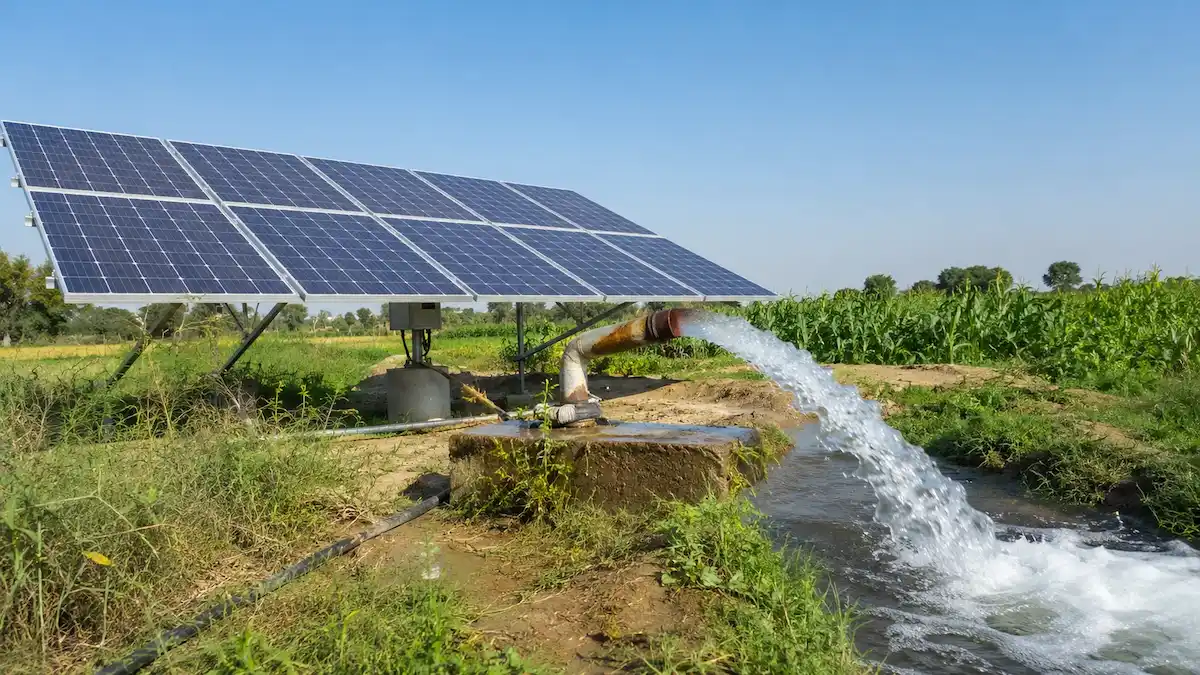
محاسبه تعداد پنل خورشیدی برای پمپ آب؛ از دبی و هد تا آرایش پنلها
در پروژههای پمپاژ خورشیدی، انتخاب تعداد پنلها فقط به توان الکتروموتور محدود نمیشود. ممکن است دو پمپ با توان نامی یکسان، به دلیل تفاوت در ارتفاع انتقال آب، حجم آب موردنیاز و ساعات کارکرد روزانه، به ظرفیتهای متفاوتی از پنل خورشیدی نیاز داشته باشند.
به همین دلیل، طراحی یک سیستم پمپاژ خورشیدی باید از نیاز واقعی پروژه آغاز شود؛ یعنی ابتدا مشخص کنیم چه مقدار آب باید در شبانهروز منتقل شود، این آب تا چه ارتفاعی پمپاژ خواهد شد و چه مقدار انرژی برای انجام این کار نیاز داریم.
سپس با بررسی راندمان پمپ، موتور و درایو، میزان تابش خورشید و مشخصات الکتریکی پنلها میتوان ظرفیت اولیه آرایه خورشیدی را محاسبه کرد.
در این مقاله، روش محاسبه تعداد پنل خورشیدی برای پمپ آب را با فرمولهای مهندسی و یک مثال عددی بررسی میکنیم. همچنین توضیح میدهیم چرا تعداد پنل بهدستآمده از محاسبات انرژی، لزوماً تعداد نهایی قابل نصب نیست و چه عواملی در طراحی الکتریکی سیستم تأثیر دارند.
طراحی را با نیاز آبی پروژه آغاز کنید، نه با توان پنل
اولین مرحله در طراحی سیستم پمپاژ خورشیدی، تعیین میزان آب موردنیاز در طول شبانهروز است.
این مقدار با توجه به نوع کاربرد متفاوت خواهد بود. برای مثال، نیاز آبی یک مزرعه کشاورزی به سطح زیر کشت، نوع محصول، روش آبیاری و شرایط آبوهوایی بستگی دارد. در یک گلخانه نیز تعداد خطوط آبیاری و برنامه زمانی آبیاری در تعیین حجم آب موردنیاز مؤثر هستند.
برای شروع طراحی، اطلاعات زیر باید مشخص شوند:
| پارامتر | واحد اندازهگیری |
|---|---|
| حجم آب موردنیاز روزانه | مترمکعب در روز |
| مدتزمان واقعی پمپاژ | ساعت در روز |
| دبی موردنیاز | مترمکعب بر ساعت |
| هد کل دینامیکی | متر |
| توان و جریان نامی موتور | کیلووات و آمپر |
| راندمان پمپ و موتور | درصد |
| ساعات تابش مؤثر خورشید | ساعت در روز |
مدتزمان پمپاژ چگونه دبی موردنیاز را مشخص میکند؟
برای تعیین دبی طراحی، حجم آب موردنیاز روزانه را بر مدتزمان واقعی کار پمپ تقسیم میکنیم.
فرمول:
Q = V ÷ t
در این رابطه:
- Q: دبی موردنیاز برحسب مترمکعب بر ساعت
- V: حجم آب موردنیاز روزانه برحسب مترمکعب
- t: مدتزمان واقعی کار پمپ برحسب ساعت
برای مثال، اگر یک مزرعه روزانه به ۳۰ مترمکعب آب نیاز داشته باشد و پمپ طی ۶ ساعت این مقدار آب را منتقل کند:
۳۰ ÷ ۶ = ۵ مترمکعب بر ساعت
بنابراین دبی متوسط موردنیاز سیستم ۵ مترمکعب بر ساعت است.
نکته: مدتزمان کار پمپ با ساعات تابش مؤثر خورشید یکسان نیست. ساعات کارکرد، زمان واقعی موردنیاز برای انتقال آب است؛ درحالیکه ساعات تابش مؤثر، معادل انرژی دریافتی از خورشید در شدت تابش استاندارد را نشان میدهد.
نقطه کاری پمپ را با دبی و هد مشخص کنید
پس از تعیین حجم آب و دبی موردنیاز، باید مشخص شود پمپ برای انتقال آب در شرایط پروژه به چه ارتفاع و فشاری نیاز دارد.
این مرحله اهمیت زیادی دارد؛ زیرا انتخاب پمپ براساس دبی بدون توجه به ارتفاع پمپاژ میتواند به انتخاب تجهیزی منجر شود که در شرایط واقعی قادر به تأمین آب موردنیاز نیست.
هد کل دینامیکی از چه بخشهایی تشکیل میشود؟
هد کل دینامیکی یا Total Dynamic Head (TDH) مجموع انرژی ارتفاعی و فشاری موردنیاز برای انتقال آب در سیستم است.
اجزای اصلی آن عبارتاند از:
۱. هد استاتیکی: اختلاف ارتفاع سطح آب در منبع تا محل تخلیه.
۲. افت سطح آب هنگام پمپاژ: کاهش سطح آب چاه در اثر برداشت آب که در تعیین سطح دینامیکی اهمیت دارد.
۳. افت اصطکاکی لولهها: مقاومت جریان آب در طول مسیر لولهکشی.
۴. افت اتصالات و شیرآلات: افت فشار ناشی از زانوییها، شیرها، فیلترها و سایر تجهیزات مسیر.
۵. هد فشار خروجی: فشاری که در محل مصرف یا ورودی مخزن باید تأمین شود.
بهصورت کلی:
TDH = هد ارتفاعی + افت اصطکاکی + هد فشار خروجی
اگر محاسبه هد ارتفاعی بر اساس سطح دینامیکی آب انجام شده باشد، افت سطح آب ناشی از پمپاژ قبلاً در محاسبه لحاظ شده است و نباید دوباره به آن اضافه شود.
برای مثال، فرض کنیم سطح دینامیکی آب چاه ۴۰ متر پایینتر از سطح زمین قرار دارد و آب باید به مخزنی در ارتفاع ۱۰ متری بالاتر از سطح زمین منتقل شود.
در این حالت اختلاف ارتفاع هندسی برابر است با:
۴۰ + ۱۰ = ۵۰ متر
اگر افت اصطکاکی لولهها و سایر افتهای مسیر نیز ۵ متر باشد، هد کل سیستم حداقل ۵۵ متر خواهد بود؛ البته هد فشار موردنیاز در خروجی نیز باید در صورت وجود اضافه شود.
چرا منحنی عملکرد پمپ اهمیت دارد؟
دبی و هد باید همزمان بررسی شوند.
هر پمپ دارای منحنی عملکرد مشخصی است که نشان میدهد در هر ارتفاع پمپاژ، چه مقدار آب میتواند منتقل کند.
برای مثال، ممکن است یک پمپ در هد ۳۰ متر دبی ۱۰ مترمکعب بر ساعت داشته باشد، اما در هد ۵۰ متر دبی آن به مقدار قابلتوجهی کاهش پیدا کند.
بنابراین انتخاب پمپ باید براساس نقطه کاری موردنیاز پروژه، یعنی ترکیب دبی و هد، انجام شود.
انرژی هیدرولیکی روزانه چگونه به دست میآید؟
پس از مشخص شدن حجم آب موردنیاز و هد کل دینامیکی، میتوان انرژی مفید لازم برای انتقال آب را محاسبه کرد.
انرژی هیدرولیکی نشان میدهد برای جابهجایی حجم مشخصی از آب در ارتفاع موردنظر چه مقدار انرژی مفید لازم است.
فرمول محاسبه:
Ehyd = 0.002725 × V × H
پارامترهای فرمول:
- Ehyd: انرژی هیدرولیکی برحسب کیلوواتساعت در روز
- V: حجم آب روزانه برحسب مترمکعب
- H: هد کل دینامیکی برحسب متر
برای مثال، اگر حجم آب موردنیاز روزانه ۳۰ مترمکعب و هد کل ۵۰ متر باشد:
۰٫۰۰۲۷۲۵ × ۳۰ × ۵۰ = ۴٫۰۸۷۵
در نتیجه، انرژی هیدرولیکی موردنیاز سیستم برابر حدود ۴٫۰۹ کیلوواتساعت در روز خواهد بود.
این مقدار انرژی مفید موردنیاز برای انتقال آب است و هنوز تلفات تجهیزات الکتریکی و مکانیکی در آن محاسبه نشدهاند.
توان هیدرولیکی در نقطه کاری پمپ
علاوه بر انرژی روزانه، توان لحظهای موردنیاز پمپ نیز اهمیت دارد.
فرمول محاسبه توان هیدرولیکی:
Phyd = 0.002725 × Q × H
در این رابطه:
- Phyd: توان هیدرولیکی برحسب کیلووات
- Q: دبی برحسب مترمکعب بر ساعت
- H: هد کل دینامیکی برحسب متر
برای مثال، اگر دبی ۵ مترمکعب بر ساعت و هد ۵۰ متر باشد:
۰٫۰۰۲۷۲۵ × ۵ × ۵۰ = ۰٫۶۸۱۲۵ کیلووات
بنابراین توان هیدرولیکی موردنیاز حدود ۰٫۶۸ کیلووات است.
این مقدار با توان نامی الکتروموتور یکسان نیست؛ زیرا برای تبدیل توان الکتریکی موتور به انرژی مکانیکی و سپس انرژی هیدرولیکی، تلفات و راندمان تجهیزات باید محاسبه شوند.
تلفات تبدیل انرژی را از محاسبه حذف نکنید
پنل خورشیدی انرژی الکتریکی تولید میکند، اما پمپ برای انتقال آب به انرژی مکانیکی و در نهایت انرژی هیدرولیکی نیاز دارد.
در این مسیر چند مرحله تبدیل انرژی وجود دارد:
- تبدیل انرژی الکتریکی ورودی به توان خروجی درایو
- تبدیل توان الکتریکی موتور به توان مکانیکی
- تبدیل توان مکانیکی پمپ به انرژی هیدرولیکی
به همین دلیل، انرژی موردنیاز آرایه خورشیدی بیشتر از انرژی هیدرولیکی محاسبهشده خواهد بود.
محاسبه راندمان کل سیستم
راندمان کل مجموعه از حاصلضرب راندمان تجهیزات به دست میآید:
ηtotal = ηpump × ηmotor × ηdrive
در این فرمول:
- ηpump: راندمان پمپ
- ηmotor: راندمان الکتروموتور
- ηdrive: راندمان درایو
برای مثال، فرض کنیم:
- راندمان پمپ: ۶۰ درصد
- راندمان موتور: ۹۰ درصد
- راندمان درایو: ۹۷٫۵ درصد
بنابراین:
۰٫۶ × ۰٫۹ × ۰٫۹۷۵ = ۰٫۵۲۶۵
راندمان کل این مجموعه حدود ۵۲٫۶۵ درصد خواهد بود.
مقادیر واقعی باید از مشخصات تجهیزات و نقطه عملکرد آنها استخراج شوند. تلفات کابلکشی سمت موتور نیز در طراحی تفصیلی باید لحاظ شود.
محاسبه انرژی الکتریکی موردنیاز
برای تعیین انرژی موردنیاز در ورودی DC درایو، انرژی هیدرولیکی را بر راندمان کل تقسیم میکنیم:
Eelectrical = Ehyd ÷ ηtotal
با استفاده از مثال قبلی:
۴٫۰۸۷۵ ÷ ۰٫۵۲۶۵ = ۷٫۷۶۳۵
بنابراین انرژی موردنیاز در ورودی DC درایو حدود ۷٫۷۶ کیلوواتساعت در روز خواهد بود.
این مقدار مبنای محاسبه اولیه ظرفیت پنلهای خورشیدی است.
ظرفیت آرایه را با تابش محل پروژه محاسبه کنید
پس از تعیین انرژی الکتریکی موردنیاز، باید بررسی کنیم که پنلها در محل نصب چه مقدار انرژی در طول روز تولید خواهند کرد.
یکی از پارامترهای اصلی در این مرحله، ساعات تابش مؤثر خورشید یا Peak Sun Hours (PSH) است.
این شاخص معادل تعداد ساعاتی است که شدت تابش خورشید بهطور متوسط برابر با ۱۰۰۰ وات بر مترمربع باشد.
برای مثال، اگر انرژی تابشی روزانه روی سطح پنل معادل ۵ کیلوواتساعت بر مترمربع باشد، ساعات تابش مؤثر برابر ۵ ساعت خواهد بود.
ضریب عملکرد آرایه خورشیدی چه چیزی را نشان میدهد؟
توان نامی پنل در شرایط استاندارد آزمایشگاهی اندازهگیری میشود، اما شرایط واقعی نصب با این شرایط تفاوت دارد.
عوامل زیر میتوانند تولید انرژی را کاهش دهند:
- افزایش دمای سلولهای خورشیدی
- گردوغبار و آلودگی سطح پنل
- سایهاندازی
- عدم تطابق الکتریکی پنلها
- افت کابلها و اتصالات سمت DC
- شرایط نصب و زاویه قرارگیری پنلها
برای لحاظ کردن این تلفات از ضریب عملکرد آرایه خورشیدی یا PR استفاده میشود.
در محاسبات این مقاله، PR فقط مربوط به تلفات سمت آرایه خورشیدی است و راندمان درایو، موتور و پمپ قبلاً در راندمان کل محاسبه شده است.
فرمول محاسبه ظرفیت موردنیاز پنلها
فرمول محاسبه ظرفیت اولیه آرایه خورشیدی:
Ppv = Eelectrical ÷ (PSH × PR)
پارامترها:
- Ppv: ظرفیت آرایه خورشیدی برحسب کیلوواتپیک
- Eelectrical: انرژی موردنیاز روزانه در ورودی DC درایو
- PSH: ساعات تابش مؤثر خورشید
- PR: ضریب عملکرد آرایه خورشیدی
اگر انرژی موردنیاز روزانه ۷٫۷۶ کیلوواتساعت، ساعات تابش مؤثر ۵ ساعت و ضریب عملکرد آرایه ۰٫۸ باشد:
۷٫۷۶ ÷ (۵ × ۰٫۸) = ۱٫۹۴ کیلوواتپیک
بنابراین ظرفیت اولیه آرایه خورشیدی حدود ۱٫۹۴ کیلوواتپیک خواهد بود.
این عدد یک برآورد اولیه براساس تراز انرژی روزانه است و باید با شرایط واقعی پروژه و محدودیتهای الکتریکی درایو تطبیق داده شود.
مثال عددی: انتقال ۳۰ مترمکعب آب در هد ۵۰ متر
برای درک بهتر مراحل طراحی، یک پروژه فرضی را بررسی میکنیم.
مشخصات پروژه:
| پارامتر | مقدار |
|---|---|
| حجم آب روزانه | ۳۰ مترمکعب |
| هد کل دینامیکی | ۵۰ متر |
| زمان واقعی پمپاژ | ۶ ساعت |
| دبی متوسط | ۵ مترمکعب بر ساعت |
| راندمان پمپ | ۶۰٪ |
| راندمان موتور | ۹۰٪ |
| راندمان درایو | ۹۷٫۵٪ |
| ساعات تابش مؤثر | ۵ ساعت |
| ضریب عملکرد آرایه | ۰٫۸ |
| توان نامی هر پنل | ۵۵۰ واتپیک |
گام اول: محاسبه انرژی هیدرولیکی
۰٫۰۰۲۷۲۵ × ۳۰ × ۵۰ = ۴٫۰۹ کیلوواتساعت در روز
گام دوم: محاسبه راندمان کل
۰٫۶ × ۰٫۹ × ۰٫۹۷۵ = ۰٫۵۲۶۵
گام سوم: محاسبه انرژی الکتریکی
۴٫۰۸۷۵ ÷ ۰٫۵۲۶۵ = ۷٫۷۶ کیلوواتساعت در روز
گام چهارم: محاسبه ظرفیت آرایه
۷٫۷۶ ÷ (۵ × ۰٫۸) = ۱٫۹۴ کیلوواتپیک
گام پنجم: تعیین تعداد اولیه پنلها
۱٫۹۴ ÷ ۰٫۵۵ = ۳٫۵۳
با گرد کردن به عدد صحیح بالاتر، تعداد اولیه برابر ۴ پنل خواهد بود.
ظرفیت نامی مجموع این پنلها:
۴ × ۵۵۰ = ۲۲۰۰ واتپیک
بنابراین، ظرفیت اولیه آرایه از نظر انرژی روزانه برابر ۲٫۲ کیلوواتپیک است.
اما این هنوز به معنی تأیید نصب چهار پنل نیست.
این تعداد صرفاً از نظر انرژی روزانه محاسبه شده است. برای تعیین تعداد نهایی باید ولتاژ کاری رشته، ولتاژ مدار باز، جریان ورودی و محدوده عملکرد درایو نیز بررسی شوند.
ممکن است برای رسیدن به ولتاژ موردنیاز درایو، تعداد بیشتری پنل در اتصال سری لازم باشد.
چرا تعداد پنل محاسبهشده هنوز تعداد نهایی نیست؟
یکی از اشتباهات رایج در طراحی سیستمهای خورشیدی، یکسان در نظر گرفتن ظرفیت انرژی و سازگاری الکتریکی آرایه است.
ممکن است ظرفیت مجموع پنلها از نظر کیلوواتپیک کافی باشد، اما ولتاژ یا جریان تولیدی آنها با مشخصات ورودی درایو هماهنگ نباشد.
به همین دلیل، پس از محاسبه تعداد اولیه پنل باید مشخصات الکتریکی آرایه بررسی شوند.
ولتاژ نقطه حداکثر توان (Vmp)
Vmp ولتاژی است که پنل در نقطه حداکثر توان تولید میکند.
این پارامتر برای تعیین تعداد پنلهای سری اهمیت دارد.
در اتصال سری، ولتاژ کاری پنلها با یکدیگر جمع میشود:
Vmp,string = Nseries × Vmp,module
برای مثال، اگر ۵ پنل با ولتاژ نقطه حداکثر توان ۴۰ ولت بهصورت سری متصل شوند، ولتاژ کاری نامی رشته برابر ۲۰۰ ولت خواهد بود.
ولتاژ مدار باز (Voc)
Voc ولتاژ پنل در شرایطی است که خروجی آن به بار متصل نباشد.
این پارامتر بهخصوص در دمای پایین اهمیت دارد؛ زیرا با کاهش دمای سلول، ولتاژ مدار باز افزایش پیدا میکند.
در طراحی رشتههای خورشیدی باید حداکثر ولتاژ مدار باز در سردترین دمای طراحی محاسبه شود.
اگر این ولتاژ از حد مجاز ورودی DC درایو بیشتر باشد، احتمال آسیب به تجهیزات وجود دارد.
جریان کاری پنل و تعداد رشتههای موازی
در اتصال موازی، جریان رشتهها با یکدیگر جمع میشود، درحالیکه ولتاژ آنها تقریباً ثابت باقی میماند.
برای مثال، اگر دو رشته مشابه هرکدام جریان کاری ۱۰ آمپر داشته باشند، جریان مجموع آنها در شرایط یکسان حدود ۲۰ آمپر خواهد بود.
تعداد رشتههای موازی باید با حداکثر جریان ورودی مجاز درایو و تجهیزات حفاظتی هماهنگ باشد.
تأثیر دما بر ولتاژ پنل
در روزهای گرم، ولتاژ کاری پنل کاهش پیدا میکند و در روزهای سرد، ولتاژ مدار باز افزایش مییابد.
بنابراین آرایش پنلها باید بهگونهای طراحی شود که:
- در بیشترین دمای کاری، ولتاژ آرایه از محدوده عملکرد موردنیاز درایو پایینتر نرود.
- در کمترین دمای طراحی، ولتاژ مدار باز از حداکثر مجاز ورودی عبور نکند.
- جریان کل آرایه از محدوده مجاز ورودی دستگاه بیشتر نشود.
نکته مهم: مقادیر Vmp، Voc و جریان هر پنل باید از دیتاشیت همان مدل استخراج شوند. همچنین محدودههای مجاز ورودی باید برای مدل دقیق درایو بررسی شوند؛ نمیتوان یک آرایش ثابت را برای تمام مدلها مناسب دانست.
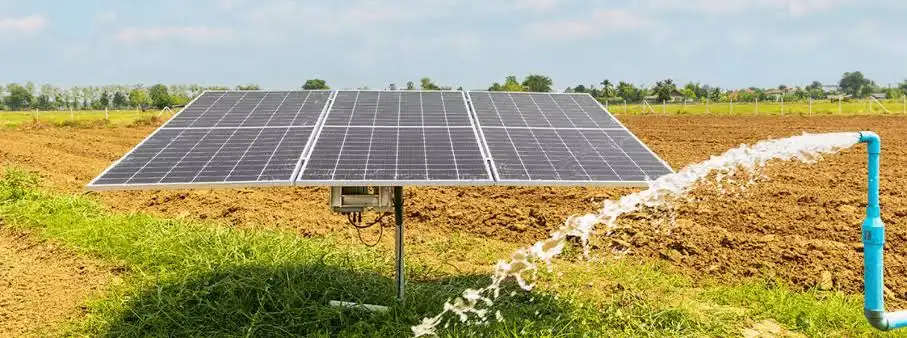
در ساعات کمتابش، راهکار تأمین آب چیست؟
یکی از تفاوتهای سیستم پمپاژ خورشیدی با سیستمهای متصل به شبکه برق، وابستگی مستقیم آن به میزان انرژی دریافتی از پنلهاست.
در ساعات تابش مناسب، توان بیشتری در اختیار پمپ قرار میگیرد. با کاهش شدت تابش، انرژی قابلاستفاده نیز کاهش مییابد و ممکن است دبی پمپ کمتر شود.
برای مدیریت این شرایط دو راهکار اصلی وجود دارد.
ذخیره آب بهجای ذخیره انرژی الکتریکی
در بسیاری از پروژههای کشاورزی، استفاده از مخزن ذخیره آب میتواند راهکار اقتصادی مناسبی باشد.
در این روش، پمپ طی ساعات تابش خورشید آب را به مخزن منتقل میکند و آب ذخیرهشده در ساعات عصر یا شب برای آبیاری استفاده میشود.
مزیت این روش، کاهش وابستگی به باتری و هزینههای خرید، نگهداری و تعویض آن است.
ظرفیت مخزن باید براساس مصرف روزانه، الگوی آبیاری و مدتزمان موردنیاز برای ذخیره آب تعیین شود.
استفاده از برق شهر یا ژنراتور
اگر تأمین آب در ساعات شب یا هنگام کاهش شدید تابش ضروری باشد، میتوان از منبع AC پشتیبان استفاده کرد.
در این حالت، برق شهر یا ژنراتور سازگار میتواند انرژی موردنیاز پمپ را تأمین کند.
انتخاب روش مناسب به شرایط پروژه، ساعات موردنیاز پمپاژ و هزینه تأمین انرژی بستگی دارد.
سری S زیما چه امکاناتی برای پمپاژ خورشیدی دارد؟
در یک سیستم پمپاژ خورشیدی، درایو وظیفه مدیریت انرژی ورودی و کنترل عملکرد الکتروموتور را بر عهده دارد.
درایو سری S زیما برای کنترل پمپهای آب با استفاده از انرژی خورشیدی و بدون نیاز به باتری طراحی شده است.
این سری از ورودی AC/DC پشتیبانی میکند و امکان اتصال به شبکه برق شهری یا ژنراتور را بهعنوان منبع پشتیبان فراهم میسازد.
از قابلیتهای فنی این خانواده میتوان به موارد زیر اشاره کرد:
مدیریت نقطه حداکثر توان پنلها
یکی از قابلیتهای مهم سری S، جستوجوی نقطه حداکثر توان (MPP) است.
توان خروجی پنلهای خورشیدی با تغییر شدت تابش و دمای سلول تغییر میکند. قابلیت جستوجوی MPP به درایو کمک میکند نقطه کاری مناسب را برای دریافت انرژی از آرایه خورشیدی پیدا کند.
در تنظیمات این سری، امکان جستوجوی خودکار نقطه حداکثر توان و همچنین تعیین دستی ولتاژ هدف وجود دارد.
تشخیص شرایط خشککارکردن پمپ
خشککارکردن زمانی اتفاق میافتد که پمپ بدون آب کافی کار کند.
این وضعیت ممکن است در اثر کاهش سطح آب چاه، قطع آب ورودی یا وجود مشکل در مسیر مکش ایجاد شود.
سری S دارای پارامترهای اختصاصی تشخیص Dry Pump است که براساس شرایط فرکانس و توان مصرفی پمپ تنظیم میشوند.
این قابلیت میتواند در کاهش آسیبهای ناشی از کارکرد خشک مؤثر باشد؛ البته تنظیم صحیح پارامترها براساس نوع پمپ و شرایط واقعی پروژه ضروری است.
کنترل سطح مخزن با فلوتر یا سنسور
در سیستمهایی که آب به مخزن ذخیره منتقل میشود، کنترل سطح مخزن اهمیت زیادی دارد.
درایو سری S امکان استفاده از فلوتر با کنتاکت باز یا بسته و همچنین سنسورهای آنالوگ سطح با سیگنال ۰ تا ۱۰ ولت یا ۴ تا ۲۰ میلیآمپر را فراهم میکند.
با تنظیم صحیح این ورودیها، میتوان عملکرد پمپ را متناسب با سطح آب مخزن مدیریت کرد.
امکان استفاده از منبع برق پشتیبان
در شرایط کاهش تابش خورشید یا ساعات شب، امکان استفاده از برق شهری یا ژنراتور بهعنوان منبع پشتیبان وجود دارد.
این قابلیت برای پروژههایی که تأمین آب در تمام ساعات شبانهروز اهمیت دارد، کاربردی است.
برای آشنایی با مدلها و قابلیتهای این خانواده میتوانید صفحه معرفی درایوهای سولار پمپ سری S زیما را مشاهده کنید.
تفاوت طراحی آرایه خورشیدی با انتخاب درایو پمپ چیست؟
این دو مرحله به یکدیگر وابسته هستند، اما یکسان نیستند.
در طراحی آرایه خورشیدی، هدف تعیین ظرفیت پنلها و نحوه اتصال آنها برای تأمین انرژی موردنیاز سیستم است.
در انتخاب درایو، باید توان و جریان موتور، ولتاژ خروجی، نوع تغذیه و قابلیتهای کنترلی دستگاه بررسی شوند.
برای مثال، ممکن است آرایه خورشیدی از نظر انرژی روزانه ظرفیت کافی داشته باشد، اما درایوی که انتخاب شده است از نظر جریان خروجی یا ولتاژ ورودی با سیستم سازگار نباشد.
به همین دلیل، پس از محاسبه ظرفیت پنلها باید انتخاب تجهیز کنترلی نیز بهصورت مستقل بررسی شود.
اگر به بررسی معیارهای انتخاب درایو براساس جریان، توان و مشخصات الکتروموتور نیاز دارید، مقاله معیارهای انتخاب اینورتر مناسب برای پمپ آب را مطالعه کنید.
اشتباهاتی که عملکرد سیستم را پایین میآورند
در طراحی سیستمهای خورشیدی پمپاژ آب، بعضی اشتباهات میتوانند باعث شوند ظرفیت محاسبهشده در عمل پاسخگوی نیاز پروژه نباشد.
۱. محاسبه تعداد پنل فقط براساس اسب بخار موتور
توان موتور بهتنهایی مشخصکننده تعداد پنل نیست. حجم آب، هد، راندمان و تابش منطقه نیز باید در محاسبات لحاظ شوند.
۲. در نظر گرفتن ضریب ثابت برای تمام پروژهها
استفاده از ضرایبی مانند ۱٫۲۵ یا ۱٫۵ برای تخمین ظرفیت پنلها ممکن است در برآورد اولیه مفید باشد، اما برای تمام پروژهها قابل تعمیم نیست.
۳. اشتباه گرفتن ساعات تابش با ساعات کار پمپ
این دو پارامتر مفهوم متفاوتی دارند. ساعات تابش مؤثر برای برآورد انرژی تولیدی پنل استفاده میشود، اما مدتزمان پمپاژ برای تعیین دبی طراحی اهمیت دارد.
۴. بیتوجهی به سطح دینامیکی آب
استفاده از عمق نصب پمپ بهجای سطح دینامیکی آب میتواند باعث محاسبه اشتباه هد کل و ظرفیت موردنیاز سیستم شود.
۵. انتخاب آرایه فقط براساس کیلوواتپیک
توان نامی مجموع پنلها برای تأیید سازگاری سیستم کافی نیست. ولتاژ، جریان و محدودیتهای ورودی درایو نیز باید بررسی شوند.
۶. نادیده گرفتن افت تولید در شرایط محیطی
دمای بالا، گردوغبار، سایه و نصب غیراصولی میتوانند تولید انرژی پنلها را کاهش دهند.
۷. انتخاب درایو بدون توجه به مشخصات موتور
جریان نامی و ولتاژ موتور باید با مشخصات خروجی درایو هماهنگ باشند. انتخاب صرفاً براساس توان نامی ممکن است باعث عملکرد نامناسب سیستم شود.
جمعبندی؛ طراحی آرایه خورشیدی باید با عملکرد واقعی پمپ هماهنگ باشد
برای محاسبه تعداد پنل خورشیدی موردنیاز پمپ آب، ابتدا باید حجم آب موردنیاز و هد کل دینامیکی مشخص شوند. سپس با محاسبه انرژی هیدرولیکی و لحاظ کردن راندمان پمپ، موتور و درایو، انرژی الکتریکی موردنیاز به دست میآید.
در مرحله بعد، با توجه به ساعات تابش مؤثر خورشید و تلفات آرایه، ظرفیت اولیه پنلها محاسبه میشود.
بااینحال، طراحی زمانی کامل خواهد بود که تعداد پنلها از نظر ولتاژ کاری، ولتاژ مدار باز، جریان و محدوده عملکرد درایو نیز بررسی شده باشد.
بنابراین، تعداد پنلهای محاسبهشده براساس انرژی روزانه را نباید بدون بررسی مشخصات الکتریکی بهعنوان تعداد قطعی قابل نصب در نظر گرفت.
اگر برای اجرای پروژه پمپاژ خورشیدی به بررسی فنی ظرفیت آرایه، سازگاری تجهیزات و انتخاب درایو مناسب نیاز دارید، میتوانید از طریق ارتباط با کارشناسان فنی زیما برای دریافت مشاوره اقدام کنید.
سؤالات متداول درباره محاسبه پنل خورشیدی برای پمپ آب
برای پمپ آب یک اسب بخار چند پنل خورشیدی لازم است؟
توان مکانیکی موتور یک اسب بخار حدود ۰٫۷۴۶ کیلووات است. بااینحال، تعداد پنلها به هد کل، دبی، راندمان پمپ و موتور، میزان تابش و مشخصات ورودی درایو بستگی دارد. بنابراین نمیتوان برای تمام پمپهای یک اسب تعداد ثابتی پنل تعیین کرد.
برای پمپ آب سه اسب چند پنل خورشیدی نیاز است؟
توان مکانیکی موتور سه اسب بخار حدود ۲٫۲۴ کیلووات است. برای تعیین تعداد پنل باید انرژی موردنیاز روزانه و توان لحظهای سیستم محاسبه شوند و سپس سازگاری الکتریکی پنلها با درایو بررسی شود.
آیا پمپ آب معمولی را میتوان با پنل خورشیدی راهاندازی کرد؟
بله. در صورت استفاده از درایو سولار پمپ سازگار، میتوان انرژی تولیدشده توسط پنلها را برای راهاندازی موتور پمپ استفاده کرد. توان، جریان، ولتاژ و نوع موتور باید با مشخصات درایو هماهنگ باشند.
آیا سیستم پمپاژ خورشیدی بدون باتری کار میکند؟
بله. بسیاری از سیستمهای پمپاژ خورشیدی بدون باتری طراحی میشوند. در این روش، انرژی پنلها مستقیماً برای کارکرد پمپ استفاده میشود و میتوان آب را در مخزن ذخیره کرد.
آیا پمپ خورشیدی در روزهای ابری هم کار میکند؟
در روزهای ابری، توان تولیدی پنلها کاهش پیدا میکند. در نتیجه ممکن است سرعت پمپ و دبی آب کاهش یابد یا سیستم متوقف شود. استفاده از منبع AC پشتیبان میتواند در این شرایط به تأمین آب کمک کند.
آیا افزایش تعداد پنلها همیشه باعث افزایش آبدهی میشود؟
خیر. افزایش ظرفیت پنلها زمانی میتواند عملکرد را بهبود دهد که درایو و موتور امکان استفاده از توان بیشتر را داشته باشند. آبدهی نهایی به منحنی عملکرد پمپ، هد، دبی و شرایط واقعی سیستم بستگی دارد.
آیا برای انتخاب پنل خورشیدی برای پمپ آب باید ولتاژ Voc را بررسی کرد؟
بله. ولتاژ مدار باز پنل در دمای پایین افزایش پیدا میکند و مجموع ولتاژ پنلهای سری نباید از حداکثر ولتاژ مجاز ورودی درایو بیشتر شود. این بررسی برای جلوگیری از آسیب به تجهیزات ضروری است.
نقش MPPT در سیستم پمپاژ خورشیدی چیست؟
MPPT یا ردیابی نقطه حداکثر توان، به مدیریت ولتاژ کاری آرایه خورشیدی کمک میکند تا در شرایط تغییر تابش و دمای پنل، انرژی قابلاستفاده به شکل مؤثرتری دریافت شود.
When designing solar water pumping systems, selecting the number of solar panels is not simply a matter of matching the rated power of the electric motor. Two pumps with the same rated power may require different solar array capacities because of differences in pumping head, daily water demand, and operating hours.
For this reason, solar pumping system design should start with the actual requirements of the project. First, determine how much water needs to be pumped each day, the total height through which the water must be transferred, and the amount of energy required to perform this task.
Next, by considering the efficiency of the pump, motor, and drive, along with solar irradiation levels and the electrical specifications of the panels, the initial solar array capacity can be calculated.
In this article, we explain how to calculate the number of solar panels required for a water pump using engineering formulas and a practical numerical example. We also discuss why the number of panels obtained from energy calculations is not necessarily the final number that can be installed, and which electrical design factors must be considered.
Start with the Project’s Water Requirements, Not the Solar Panel Capacity
The first step in designing a solar water pumping system is determining the daily water demand.
This requirement varies depending on the application. For example, the water demand of an agricultural farm depends on the cultivated area, crop type, irrigation method, and local climate conditions. In a greenhouse, the number of irrigation lines and the irrigation schedule also influence the required water volume.
Before starting the design, the following parameters should be identified:
- Daily water demand: Measured in cubic meters per day (m³/day).
- Actual pumping duration: Measured in hours per day.
- Required flow rate: Measured in cubic meters per hour (m³/h).
- Total Dynamic Head (TDH): Measured in meters.
- Motor rated power and current: Measured in kilowatts (kW) and amperes (A).
- Pump and motor efficiency: Expressed as a percentage.
- Peak Sun Hours (PSH): Measured in hours per day.
How Does Pumping Duration Determine the Required Flow Rate?
To calculate the design flow rate, divide the daily water demand by the actual number of hours the pump operates.
The formula is:
Q = V ÷ t
Where:
- Q: Required flow rate in cubic meters per hour (m³/h).
- V: Daily water demand in cubic meters (m³/day).
- t: Actual pumping duration in hours.
For example, suppose a farm requires 30 cubic meters of water per day, and the pump must transfer this volume within 6 hours.
30 ÷ 6 = 5 m³/h
Therefore, the system’s average required flow rate is 5 cubic meters per hour.
Important: Pump operating hours are not the same as Peak Sun Hours. Pumping duration refers to the actual time required to transfer the specified water volume, whereas Peak Sun Hours represent the equivalent daily solar energy received at a standard irradiance level.
Determine the Pump Operating Point Using Flow Rate and Head
After determining the required water volume and flow rate, the next step is identifying the pumping height and pressure required under actual project conditions.
This stage is particularly important because selecting a pump based on flow rate alone, without considering the pumping height, may result in choosing equipment that cannot deliver the required water volume under real operating conditions.
What Are the Main Components of Total Dynamic Head?
Total Dynamic Head (TDH) represents the total energy required to transfer water through the pumping system, including elevation and pressure requirements.
Its main components include:
- Static Head: The elevation difference between the water source and the discharge point.
- Pumping Water-Level Drawdown: The reduction in the water level of a well during pumping, which affects the dynamic water level.
- Pipe Friction Losses: Resistance to water flow along the piping system.
- Fittings and Valve Losses: Pressure losses caused by elbows, valves, filters, and other components installed along the pipeline.
- Discharge Pressure Head: The pressure required at the point of consumption or at the water tank inlet.
The general formula is:
TDH = Elevation Head + Friction Losses + Discharge Pressure Head
If the elevation head has already been calculated using the dynamic water level, the pumping-related water-level drawdown is already included and should not be added again.
For example, assume the dynamic water level in a well is 40 meters below ground level, and the water must be pumped into a tank located 10 meters above ground level.
The total geometric elevation difference is:
40 + 10 = 50 meters
If pipe friction and other system losses amount to an additional 5 meters, the system’s total head will be at least 55 meters. Any required discharge pressure must also be added.
Why Is the Pump Performance Curve Important?
Flow rate and head must always be evaluated together.
Every pump has a specific performance curve showing how much water it can deliver at different pumping heads.
For example, a pump may deliver 10 cubic meters per hour at a head of 30 meters, but its flow rate may decrease significantly when operating at a head of 50 meters.
Therefore, pump selection must be based on the required operating point of the project, which is the combination of flow rate and head.
How to Calculate Daily Hydraulic Energy
Once the daily water demand and Total Dynamic Head have been determined, the useful energy required to transfer the water can be calculated.
Hydraulic energy represents the useful energy needed to move a specific volume of water through the required elevation.
The calculation formula is:
Ehyd = 0.002725 × V × H
Where:
- Ehyd: Daily hydraulic energy in kilowatt-hours (kWh/day).
- V: Daily water volume in cubic meters (m³).
- H: Total Dynamic Head in meters (m).
For example, assume the daily water demand is 30 cubic meters and the Total Dynamic Head is 50 meters.
0.002725 × 30 × 50 = 4.0875
Therefore, the system requires approximately 4.09 kWh of hydraulic energy per day.
This represents the useful energy required to transfer the water. Electrical and mechanical equipment losses have not yet been included.
Hydraulic Power at the Pump Operating Point
In addition to daily energy consumption, the instantaneous power required by the pump is also important.
The hydraulic power formula is:
Phyd = 0.002725 × Q × H
Where:
- Phyd: Hydraulic power in kilowatts (kW).
- Q: Flow rate in cubic meters per hour (m³/h).
- H: Total Dynamic Head in meters (m).
For example, if the flow rate is 5 m³/h and the head is 50 meters:
0.002725 × 5 × 50 = 0.68125 kW
Therefore, the required hydraulic power is approximately 0.68 kW.
This value is not the same as the electric motor’s rated power because losses occur when electrical energy is converted into mechanical power and then into hydraulic energy. These equipment efficiencies must be included in the calculations.
Do Not Ignore Energy Conversion Losses
Solar panels generate electrical energy, while a pump requires mechanical energy to transfer water and ultimately produce hydraulic energy.
Several energy conversion stages are involved in this process:
- Conversion of the electrical input power into the drive’s output power.
- Conversion of the motor’s electrical input power into mechanical power.
- Conversion of the pump’s mechanical power into hydraulic energy.
As a result, the energy required from the solar array will be greater than the calculated hydraulic energy.
How to Calculate the Overall System Efficiency
The overall system efficiency is calculated by multiplying the efficiencies of the individual components:
ηtotal = ηpump × ηmotor × ηdrive
Where:
- ηpump: Pump efficiency.
- ηmotor: Electric motor efficiency.
- ηdrive: Drive efficiency.
For example, assume the following efficiency values:
- Pump efficiency: 60%.
- Motor efficiency: 90%.
- Drive efficiency: 97.5%.
The overall efficiency is:
0.6 × 0.9 × 0.975 = 0.5265
The overall system efficiency is approximately 52.65%.
Actual efficiency values should be obtained from the equipment specifications and evaluated at their operating points. Motor-side cable losses should also be considered during detailed system design.
How to Calculate the Required Electrical Energy
To determine the energy required at the DC input of the drive, divide the hydraulic energy by the overall system efficiency.
Eelectrical = Ehyd ÷ ηtotal
Using the previous example:
4.0875 ÷ 0.5265 = 7.7635
Therefore, the required energy at the drive’s DC input is approximately 7.76 kWh per day.
This value provides the basis for the initial solar panel capacity calculation.
Calculate the Solar Array Capacity Based on Local Solar Irradiation
After determining the required electrical energy, the next step is estimating how much energy the solar panels can generate at the installation location.
One of the main parameters in this stage is Peak Sun Hours (PSH).
Peak Sun Hours represent the equivalent number of hours during which solar irradiance averages 1,000 watts per square meter (W/m²).
For example, if the daily solar irradiation received by the panel surface is equivalent to 5 kWh/m², the Peak Sun Hours equal 5 hours.
What Does the Solar Array Performance Ratio Represent?
A solar panel’s rated power is measured under Standard Test Conditions (STC), but actual installation conditions are different.
Several factors can reduce real-world energy production:
- Increased solar cell temperature.
- Dust and surface contamination.
- Shading.
- Electrical mismatch between panels.
- DC cable and connection losses.
- Installation conditions and panel orientation.
The Performance Ratio (PR) is used to account for these solar array losses.
In the calculations presented in this article, PR accounts only for losses on the solar array side. The efficiencies of the drive, motor, and pump have already been included in the overall system efficiency calculation.
Formula for Calculating the Required Solar Panel Capacity
The formula for calculating the initial solar array capacity is:
Ppv = Eelectrical ÷ (PSH × PR)
Where:
- Ppv: Solar array capacity in kilowatt-peak (kWp).
- Eelectrical: Daily electrical energy required at the drive’s DC input.
- PSH: Peak Sun Hours.
- PR: Solar array Performance Ratio.
Suppose the daily electrical energy requirement is 7.76 kWh, Peak Sun Hours are 5 hours, and the array Performance Ratio is 0.8.
7.76 ÷ (5 × 0.8) = 1.94 kWp
Therefore, the initial required solar array capacity is approximately 1.94 kWp.
This figure is an initial estimate based on the daily energy balance. It must be adjusted and verified according to actual project conditions and the electrical limitations of the drive.
Numerical Example: Pumping 30 Cubic Meters of Water at a 50-Meter Head
To better understand the design process, let’s examine a hypothetical solar pumping project.
The project specifications are as follows:
- Daily water demand: 30 m³.
- Total Dynamic Head: 50 meters.
- Actual pumping duration: 6 hours.
- Average flow rate: 5 m³/h.
- Pump efficiency: 60%.
- Motor efficiency: 90%.
- Drive efficiency: 97.5%.
- Peak Sun Hours: 5 hours.
- Solar array Performance Ratio: 0.8.
- Rated power of each solar panel: 550 Wp.
Step 1: Calculate Hydraulic Energy
0.002725 × 30 × 50 = 4.09 kWh/day
Step 2: Calculate Overall System Efficiency
0.6 × 0.9 × 0.975 = 0.5265
Step 3: Calculate Electrical Energy Requirements
4.0875 ÷ 0.5265 = 7.76 kWh/day
Step 4: Calculate Solar Array Capacity
7.76 ÷ (5 × 0.8) = 1.94 kWp
Step 5: Determine the Initial Number of Solar Panels
1.94 ÷ 0.55 = 3.53
Rounding up to the next whole number gives an initial requirement of 4 solar panels.
The combined rated capacity of these panels is:
4 × 550 = 2,200 Wp
Therefore, the initial solar array capacity is 2.2 kWp based on the daily energy requirement.
However, this does not yet mean that installing four panels has been approved.
This number is calculated only from the daily energy requirement. To determine the final number of panels, the string operating voltage, open-circuit voltage, input current, and operating voltage range of the drive must also be checked.
More panels connected in series may be required to reach the voltage needed by the drive.
Why Is the Calculated Number of Panels Not Necessarily the Final Number?
One of the most common mistakes in solar system design is treating energy capacity and electrical compatibility as the same thing.
The total rated capacity of the solar panels may be sufficient in terms of kilowatt-peak, but their output voltage or current may not match the drive’s input specifications.
For this reason, the electrical characteristics of the solar array must be evaluated after calculating the initial number of panels.
Maximum Power Point Voltage (Vmp)
Vmp is the voltage at which a solar panel produces its maximum power.
This parameter is important when determining the number of panels connected in series.
In a series connection, the operating voltages of the panels are added together:
Vmp,string = Nseries × Vmp,module
For example, if five panels, each with a maximum power point voltage of 40 volts, are connected in series, the nominal operating voltage of the string will be 200 volts.
Open-Circuit Voltage (Voc)
Voc is the voltage measured across a solar panel when no load is connected to its output.
This parameter is particularly important at low temperatures because the open-circuit voltage increases as solar cell temperature decreases.
When designing solar strings, the maximum open-circuit voltage under the lowest design temperature must be calculated.
If this voltage exceeds the maximum permitted DC input voltage of the drive, the equipment may be damaged.
Panel Operating Current and the Number of Parallel Strings
In a parallel connection, the currents of individual strings are added together, while their voltages remain approximately constant.
For example, if two identical strings each have an operating current of 10 amperes, their combined current under the same conditions will be approximately 20 amperes.
The number of parallel strings must be compatible with the drive’s maximum permitted input current and the ratings of the protective devices.
How Temperature Affects Solar Panel Voltage
On hot days, the operating voltage of solar panels decreases. On cold days, their open-circuit voltage increases.
Therefore, the panel configuration must be designed to ensure that:
- At the highest operating temperature, the array voltage does not fall below the minimum operating voltage required by the drive.
- At the lowest design temperature, the open-circuit voltage does not exceed the maximum permitted input voltage.
- The total array current remains within the drive’s permitted input current range.
Important: The Vmp, Voc, and current values of each panel must be obtained from the datasheet of the exact panel model. The permitted input ranges must also be checked against the specifications of the exact drive model. A single panel configuration cannot be considered suitable for every drive.
How Can Water Supply Be Maintained During Low-Sunlight Hours?
One of the main differences between solar water pumping systems and conventional grid-connected systems is their direct dependence on the energy received from solar panels.
During periods of strong sunlight, more power is available to operate the pump. As solar irradiance decreases, the available energy also decreases, which may reduce the pump’s flow rate.
There are two main approaches to managing these conditions.
Store Water Instead of Storing Electrical Energy
In many agricultural projects, using a water storage tank can be an economical solution.
With this approach, the pump transfers water into a storage tank during daylight hours, and the stored water is used for irrigation in the evening or at night.
The main advantage is reduced dependence on batteries and the associated purchase, maintenance, and replacement costs.
The tank capacity should be determined based on daily water consumption, the irrigation schedule, and the required water storage duration.
Use Grid Electricity or a Generator
If water must be supplied at night or during periods of significantly reduced solar irradiation, an AC backup power source can be used.
In this configuration, compatible utility electricity or a generator can provide the energy required to operate the pump.
The appropriate solution depends on project conditions, required pumping hours, and energy supply costs.
What Features Does XIMA’s S-Series Offer for Solar Water Pumping?
In a solar water pumping system, the drive manages incoming energy and controls the operation of the electric motor.
XIMA’s S-Series drive is designed to control water pumps using solar energy without requiring batteries.
This series supports AC/DC input and allows connection to the utility grid or a generator as a backup power source.
Its main technical features include the following:
Solar Panel Maximum Power Point Management
One of the important features of the S-Series is Maximum Power Point (MPP) tracking.
Solar panel output changes as solar irradiance and cell temperature vary. MPP tracking helps the drive identify an appropriate operating point to extract energy from the solar array.
The S-Series provides both automatic maximum power point tracking and the option to manually set the target voltage.
Dry Pump Detection
Dry running occurs when a pump operates without sufficient water.
This condition may result from a decrease in well water level, interruption of the water supply, or a problem in the suction line.
The S-Series includes dedicated Dry Pump detection parameters that can be configured based on the pump’s operating frequency and power consumption.
This feature can help reduce damage caused by dry running. However, the parameters must be correctly configured according to the pump type and actual project conditions.
Tank Level Control Using a Float Switch or Sensor
In systems where water is transferred to a storage tank, controlling the tank’s water level is essential.
The S-Series supports float switches with normally open or normally closed contacts, as well as analog level sensors using 0–10 V or 4–20 mA signals.
With the appropriate input configuration, pump operation can be managed according to the water level in the storage tank.
Backup Power Supply Capability
When solar irradiation decreases or during nighttime operation, utility electricity or a generator can be used as a backup power source.
This feature is particularly useful for projects where maintaining a continuous water supply throughout the day and night is important.
For more information about the available models and technical capabilities, explore XIMA’s S-Series solar pump drives.
What Is the Difference Between Solar Array Design and Solar Pump Drive Selection?
These two stages are closely related, but they are not the same.
Solar array design focuses on determining the required panel capacity and arranging the panels to provide the energy needed by the system.
Drive selection, on the other hand, requires evaluating the motor’s power and current, output voltage, input power supply, and the drive’s control capabilities.
For example, a solar array may have sufficient capacity to meet the daily energy requirement, but the selected drive may not be compatible with the system in terms of output current or input voltage.
Therefore, after calculating the solar panel capacity, the selection of the control equipment must be evaluated independently.
If you need to understand the criteria for selecting a drive based on motor current, power, and electrical specifications, read our guide to choosing the right inverter for a water pump.
Common Mistakes That Reduce Solar Pumping System Performance
Certain design mistakes can prevent a solar water pumping system from delivering the performance expected from its calculated capacity.
1. Calculating the Number of Panels Based Only on Motor Horsepower
Motor power alone cannot determine the required number of solar panels. Water volume, pumping head, equipment efficiency, and local solar irradiation must also be included in the calculations.
2. Using a Fixed Sizing Factor for Every Project
Using factors such as 1.25 or 1.5 to estimate solar panel capacity may be useful for preliminary calculations, but these values cannot be applied universally to every project.
3. Confusing Peak Sun Hours with Pump Operating Hours
These two parameters have different meanings. Peak Sun Hours are used to estimate solar energy production, whereas actual pumping duration is important for determining the design flow rate.
4. Ignoring the Dynamic Water Level
Using the pump installation depth instead of the dynamic water level can result in an incorrect calculation of Total Dynamic Head and the required system capacity.
5. Selecting the Solar Array Based Only on Kilowatt-Peak
The combined rated power of the solar panels is not sufficient to confirm system compatibility. Voltage, current, and the drive’s input limitations must also be evaluated.
6. Ignoring Environmental Power Losses
High temperatures, dust, shading, and improper installation can reduce the energy produced by solar panels.
7. Selecting a Drive Without Considering Motor Specifications
The motor’s rated current and voltage must match the drive’s output specifications. Selecting a drive based only on rated power may result in improper system operation.
Conclusion: Solar Array Design Must Match the Actual Pumping Requirements
To calculate the number of solar panels required for a water pump, the first step is to determine the daily water demand and Total Dynamic Head. Next, calculate the hydraulic energy and account for the efficiencies of the pump, motor, and drive to determine the required electrical energy.
The initial solar panel capacity can then be calculated using Peak Sun Hours and solar array losses.
However, the design is not complete until the panel configuration has also been evaluated in terms of operating voltage, open-circuit voltage, current, and the drive’s operating range.
Therefore, the number of panels calculated from the daily energy requirement should not be considered the final installation quantity without first checking the electrical specifications.
If you need technical assistance with solar pumping projects, including solar array sizing, equipment compatibility, and selecting the right drive, you can contact XIMA’s technical team for expert consultation.
Frequently Asked Questions About Calculating Solar Panels for Water Pumps
How Many Solar Panels Are Needed for a 1 HP Water Pump?
The mechanical power of a 1 HP motor is approximately 0.746 kW.
However, the required number of solar panels depends on the Total Dynamic Head, flow rate, pump and motor efficiency, solar irradiation, and the drive’s input specifications.
Therefore, it is not possible to specify a fixed number of panels for every 1 HP water pump.
How Many Solar Panels Are Required for a 3 HP Water Pump?
The mechanical power of a 3 HP motor is approximately 2.24 kW.
To determine the required number of solar panels, the system’s daily energy requirements and instantaneous power demand must first be calculated. The electrical compatibility of the panels with the drive must then be verified.
Can a Conventional Water Pump Operate Using Solar Panels?
Yes. By using a compatible solar pump drive, the electrical energy generated by solar panels can be used to operate a pump motor.
However, the motor’s power, current, voltage, and type must be compatible with the drive’s specifications.
Can a Solar Water Pumping System Operate Without Batteries?
Yes. Many solar water pumping systems are designed to operate without batteries.
In these systems, the energy generated by the solar panels is used directly to operate the pump. Water can then be stored in a tank for later use.
Does a Solar Water Pump Work on Cloudy Days?
On cloudy days, solar panel power generation decreases. As a result, the pump speed and water flow rate may decrease, or the system may stop operating.
Using an AC backup power source can help maintain the water supply under these conditions.
Does Increasing the Number of Solar Panels Always Increase Water Output?
No. Increasing solar panel capacity can improve system performance only when the drive and motor are capable of utilizing the additional power.
The final water output depends on the pump performance curve, pumping head, flow rate, and actual system operating conditions.
Should Voc Be Checked When Selecting Solar Panels for a Water Pump?
Yes. The open-circuit voltage of a solar panel increases at low temperatures.
The combined open-circuit voltage of all panels connected in series must not exceed the maximum permitted DC input voltage of the drive.
This check is essential to prevent equipment damage.
What Is the Role of MPPT in a Solar Water Pumping System?
MPPT, or Maximum Power Point Tracking, helps manage the operating voltage of the solar array.
It enables the drive to extract usable energy more effectively as solar irradiance and panel temperature change.
محصولات
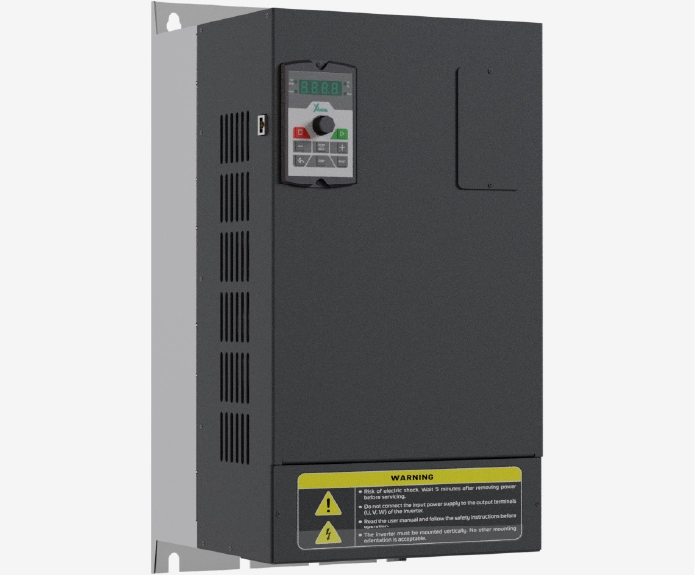
اینورتر 55 کیلووات سه فاز سری سولار پمپ
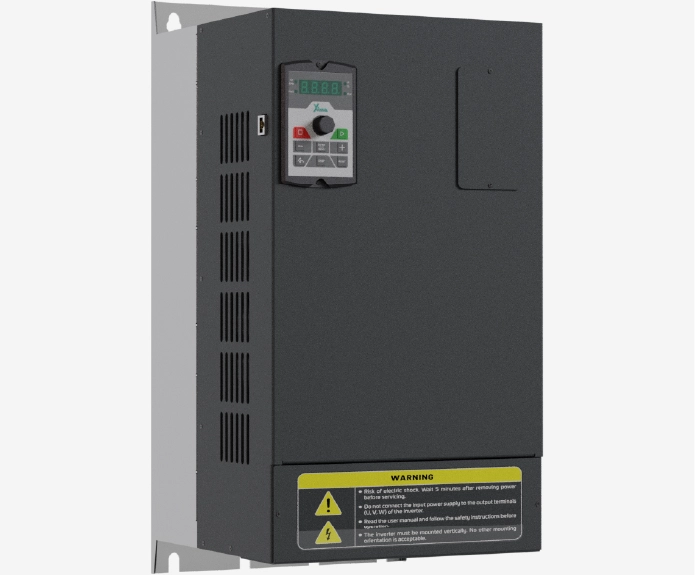
اینورتر 45 کیلووات سه فاز سری سولار پمپ
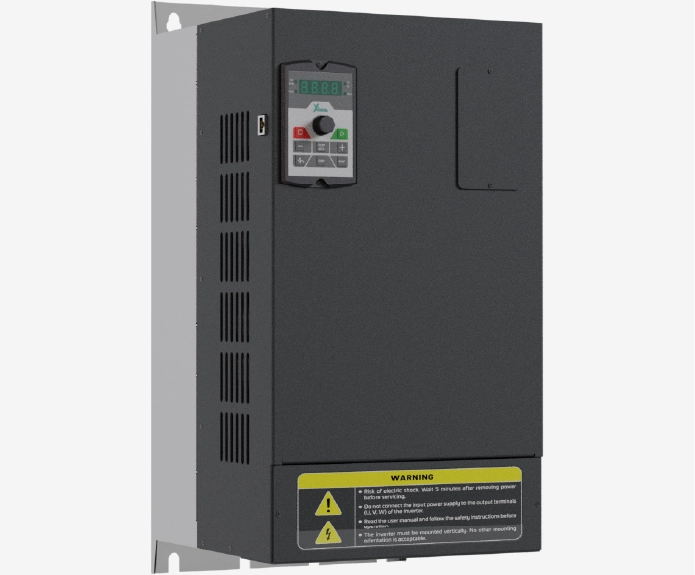
اینورتر 37 کیلووات سه فاز سری سولار پمپ
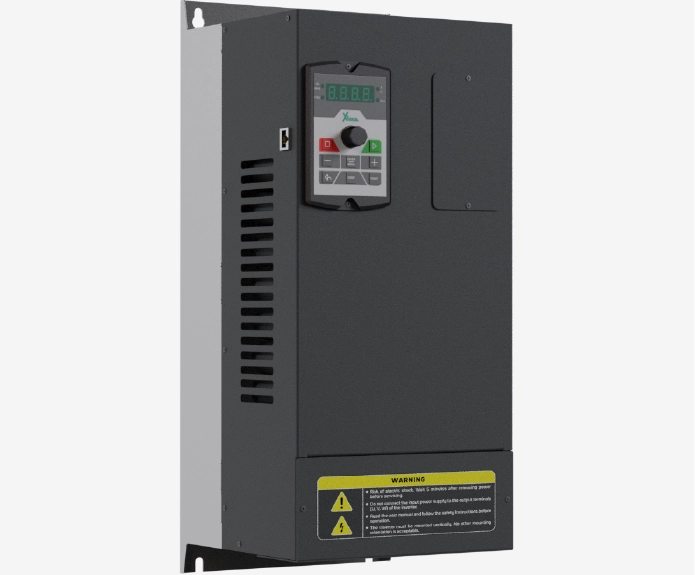
اینورتر 30 کیلووات سه فاز سری سولار پمپ
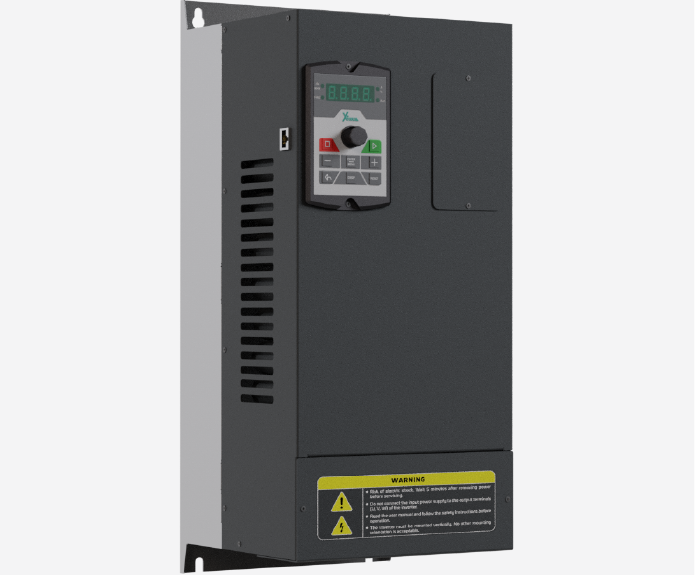
اینورتر 22 کیلووات سه فاز سری سولار پمپ
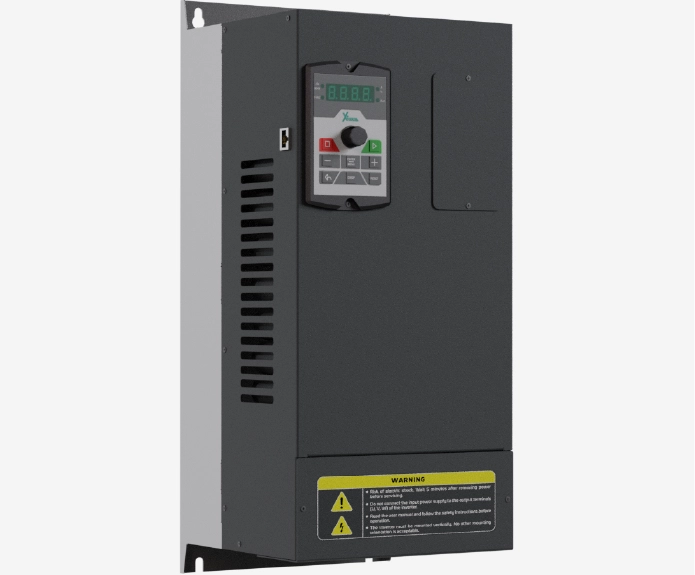
نظرات کاربران
دیدگاهها
هنوز دیدگاهی ثبت نشده است.