Inverter for Plastic Injection Molding Machines: Applications and Drive Selection Criteria

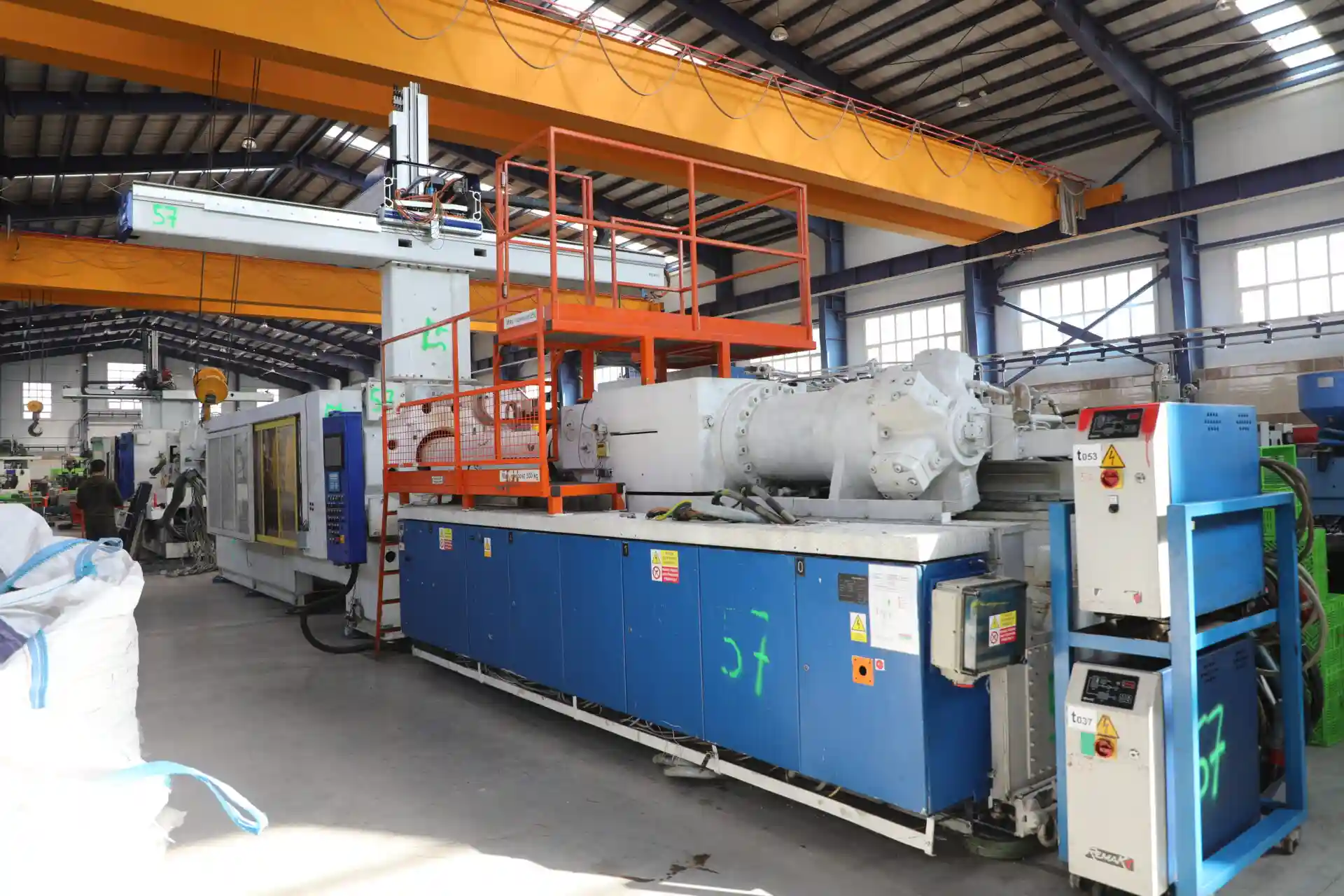
What Is an Inverter for a Plastic Injection Molding Machine?
Hydraulic plastic injection molding machines use an electric motor and a hydraulic pump to generate the pressure and force required during different stages of the production process. In many of these machines, the motor operates at a constant speed, even when the machine does not require maximum power or pressure. This can lead to higher energy consumption, excess heat generation, and increased wear on certain components.
An inverter for a plastic injection molding machine provides a solution for controlling motor speed according to the machine’s actual operating requirements. By adjusting the output frequency and voltage, the inverter manages the performance of the electric motor and hydraulic pump. When properly selected and configured, it can help reduce electricity consumption, improve system performance, and reduce unnecessary operating stress on equipment.
However, selecting the right inverter depends on several factors, including motor power and current, hydraulic pump type, required pressure and flow rate, machine operating conditions, and control method. Therefore, selecting a drive based solely on the motor’s rated power is not sufficient.
In this article, we explain what an injection molding machine inverter is, how it works, its applications and benefits, how it differs from a servo system, and which technical specifications should be considered when selecting one. We also discuss the factors affecting inverter prices and the possibility of installing an inverter on older injection molding machines.
The Role of an Inverter in Controlling the Motor and Hydraulic Pump
An inverter, also known as a Variable Frequency Drive (VFD), is an electronic device that controls the speed of an electric motor by adjusting its output frequency and voltage.
In hydraulic plastic injection molding machines, the electric motor typically drives a hydraulic pump. The pump supplies the hydraulic oil required to operate components such as the clamping unit, injection unit, and other hydraulic actuators.
In traditional systems, the motor may operate at an almost constant speed, while the required flow rate and pressure are regulated through the hydraulic circuit.
Under these conditions, when the machine requires a lower oil flow rate, some energy may be consumed in generating excess hydraulic flow and controlling it.
With a properly selected inverter, the motor speed can be adjusted to regulate pump flow according to the machine’s actual requirements. However, this capability depends on the pump type, hydraulic circuit design, and control system configuration.
In simple terms, an inverter helps match motor speed to the machine’s actual operating requirements instead of running the motor at a constant speed throughout the entire production cycle.
How Does an Inverter Work in a Plastic Injection Molding Machine?
To understand how an inverter works, it is important to consider how the machine’s requirements change during different stages of the production cycle.
A plastic injection molding machine performs several operations during each production cycle, and each operation requires a specific amount of hydraulic pressure and oil flow.
The main stages of an injection molding cycle include:
- Mold Clamping: The hydraulic system generates the force required to close and clamp the mold.
- Injection: Molten plastic is injected into the mold at a controlled pressure and speed.
- Holding Pressure: The required pressure is maintained to complete the part-forming process.
- Cooling: The molded part cools inside the mold, and the machine’s hydraulic demand may decrease.
- Mold Opening: The hydraulic system opens the mold.
- Part Ejection and Cycle Preparation: The machine ejects the finished part and prepares for the next production cycle.
The required hydraulic pressure and flow rate are not the same during all these stages.
In a variable-speed system, the inverter receives commands from the machine’s control system and adjusts motor speed according to operating conditions.
As a result, when the system is properly designed:
- Motor speed increases when a higher hydraulic flow rate is required.
- Motor speed decreases when the demand for hydraulic flow is reduced.
- When there is no hydraulic demand, motor speed can be reduced further or the motor can be stopped in a controlled manner.
This approach can prevent unnecessary motor operation at high speeds.
Main Components of a Variable-Speed Control System
Several components work together to implement a variable-speed control system:
- Inverter: Controls motor speed and operating performance.
- Electric Motor: Provides the mechanical power required to drive the hydraulic pump.
- Hydraulic Pump: Supplies the hydraulic oil flow required by the machine.
- PLC or Controller: Manages machine commands and coordinates system operation.
- Sensors: Measure parameters such as hydraulic pressure and motor speed.
- Protection Devices: Protect the motor and electrical system against potential faults.
It is important to note that proper system performance does not depend on the inverter alone. Coordination between the motor, pump, hydraulic circuit, and control system is equally important.
What Are the Applications of an Inverter in Plastic Injection Molding Machines?
The primary application of an inverter in a plastic injection molding machine is controlling the speed of the electric motor that drives the hydraulic pump. Under suitable operating conditions, this capability can improve energy management and the performance of the drive system.
1. Controlling Hydraulic Pump Motor Speed
In hydraulic injection molding machines, the motor and pump provide the energy required by the hydraulic system.
In machines equipped with an inverter, motor speed can be adjusted according to the requirements of the production process.
This is particularly important in machines where hydraulic flow demand changes significantly between different stages of the production cycle.
2. Reducing Electricity Consumption
One of the main reasons for using an inverter is its ability to reduce energy consumption when the motor operates beyond the requirements of the production process.
By adjusting motor speed, unnecessary hydraulic flow generation can be avoided, reducing energy losses under certain operating conditions.
The actual energy savings depend on several factors, including pump type, operating pressure, production patterns, and the control strategy.
3. Providing Soft Motor Starting
An inverter allows the motor’s frequency and speed to increase gradually during startup.
Instead of receiving an abrupt start command, the motor accelerates in a controlled manner until it reaches the required operating speed.
This capability can reduce the mechanical and electrical stresses associated with direct-on-line motor starting.
4. Improving Hydraulic System Control
With a suitable inverter and a properly designed control system, motor speed can be adjusted according to the machine’s operating conditions.
In more advanced systems, pressure sensors and closed-loop feedback control can provide more accurate regulation of system performance.
5. Reducing Motor and Pump Noise Under Suitable Conditions
Reducing motor speed during certain production stages may also decrease the noise generated by the motor and hydraulic pump.
However, the extent of this improvement depends on pump type, the mechanical condition of the machine, and the permitted operating speed range.
Benefits of Using an Inverter in Plastic Injection Molding Machines
When properly selected and installed, an inverter can provide several benefits for manufacturing facilities.
The main benefits include:
- Reduced Energy Consumption: Adjusts motor speed according to actual process requirements.
- Soft Starting: Reduces the stresses associated with motor startup.
- Speed Control: Allows motor speed to be adjusted within the permitted operating range.
- Reduced Energy Losses: Helps prevent unnecessary hydraulic flow generation in compatible systems.
- Lower Operating Noise: May reduce motor and pump noise under certain operating conditions.
- Improved Process Control: Helps coordinate motor performance more effectively with the production cycle.
However, these benefits are not achieved to the same extent in every machine. The technical conditions of the system should be evaluated before installation.
How Much Electricity Can an Inverter Save in a Plastic Injection Molding Machine?
The amount of electricity saved is one of the most important questions for anyone considering purchasing an inverter.
The answer depends on the actual operating conditions of the machine. There is no single percentage that can be applied to all plastic injection molding machines.
For example, a machine that requires maximum pump capacity during most of its production cycle has different energy-saving potential from a machine that has long waiting periods during each cycle.
What Factors Affect Energy Savings?
Several factors influence the amount of electricity that can be saved:
- Hydraulic Pump Type: Pump specifications and its ability to operate at different speeds affect the potential for energy savings.
- Production Pattern: The number of production cycles, cycle duration, and machine waiting time influence energy consumption.
- Operating Pressure: The required process pressure and the duration for which it must be maintained should be evaluated.
- Motor Efficiency: Motor type, efficiency, and compatibility with variable-speed control are important considerations.
- Inverter Settings: Selecting the appropriate control method and configuring drive parameters correctly affect overall system performance.
Example of Calculating Energy Savings
Assume a plastic injection molding machine consumes an average electrical power of 20 kW before an optimization project.
After implementing the project and measuring consumption under comparable production conditions, the average power decreases to 14 kW.
In this example, the reduction in average power consumption is:
20 kW − 14 kW = 6 kW
If the machine operates for 16 hours per day and 26 days per month:
6 × 16 × 26 = 2,496 kWh
Therefore, the hypothetical monthly energy savings would be 2,496 kWh.
This calculation is provided only to demonstrate the calculation method. It does not guarantee the same level of energy savings for other machines.
Payback Period for Inverter Installation
To evaluate the financial benefits of an inverter installation project, the total installation cost should be compared with the financial savings achieved through reduced electricity consumption.
The basic formula is:
Payback Period = Total Project Cost ÷ Monthly Financial Savings
The total project cost should include:
- Inverter purchase price.
- Additional equipment costs.
- Installation expenses.
- Electrical wiring costs.
- Commissioning and setup expenses.
For a more accurate calculation, the actual electricity cost and the measured energy savings should be determined.
Difference Between a Standard Inverter and a Servo Drive in Plastic Injection Molding Machines
One of the important decisions when optimizing a plastic injection molding machine is choosing between a standard inverter and a servo system.
These two solutions differ in terms of system architecture, motor type, control accuracy, and initial cost.
What Is a Standard Inverter?
A standard inverter is used to control the speed of electric motors, particularly induction motors.
It adjusts the output frequency and voltage to regulate motor speed.
Depending on the drive model, additional capabilities such as vector control, torque control, and communication functions may also be available.
What Is a Servo Drive?
A servo drive is part of a servo motion control system and is typically used together with a servo motor and feedback devices.
This system provides precise control over motor speed, torque, and position.
In hydraulic plastic injection molding machines, a servo pump system can adjust motor speed and pump operation according to the hydraulic system’s actual demand.
Standard Inverter vs. Servo System: Key Differences
The main differences include:
- Motor Type:
- Standard inverter: Typically uses an induction motor.
- Servo system: Uses a servo motor.
- Speed Control:
- Standard inverter: Supports motor speed control.
- Servo system: Supports motor speed control.
- Torque Control:
- Standard inverter: Depends on the drive model and selected control method.
- Servo system: Generally provides more precise and advanced torque control.
- Position Control:
- Standard inverter: Requires additional equipment and suitable control capabilities.
- Servo system: Position control is one of its primary capabilities.
- Feedback:
- Standard inverter: Depends on the system configuration.
- Servo system: Typically uses feedback devices.
- Initial Cost:
- Standard inverter: Generally has a lower initial cost.
- Servo system: Generally has a higher initial cost.
- Main Application:
- Standard inverter: Industrial motor speed control.
- Servo system: Applications requiring precise control and higher dynamic response.
Is an Inverter or Servo Drive Better for a Plastic Injection Molding Machine?
The answer depends on the machine’s architecture and the objectives of the optimization project.
If the primary goal is to control the speed of an existing motor and reduce energy losses in a compatible hydraulic system, an industrial inverter may be a suitable option to consider.
However, if higher accuracy in pressure and speed control, better dynamic response, and more advanced system optimization are required, a servo pump system should also be evaluated.
In some projects, implementing a servo pump system may require replacing the motor and pump and modifying parts of the control system.
Therefore, the final decision should be based on a technical assessment and a comparison of the costs and benefits of each solution.
How to Choose the Right Inverter for a Plastic Injection Molding Machine
Selecting the right inverter cannot be based on motor power alone. To avoid selection errors and operational problems, the electrical and mechanical specifications of the system and its operating conditions must be evaluated.
The most important selection criteria include:
1. Motor Rated Power and Current
Motor power is usually specified in kilowatts (kW) or horsepower (HP) on the motor nameplate.
However, the motor’s rated current is one of the most important factors when determining the required inverter capacity.
The selected inverter must be capable of supplying the current required by the motor under the specified operating conditions.
2. Input and Output Voltage
The inverter input voltage must be compatible with the available electrical supply at the installation site.
The drive’s output voltage must also match the motor’s rated specifications.
3. Electric Motor Type
It is important to identify whether the machine uses an induction motor, synchronous motor, or another motor type.
Before purchasing an inverter, its compatibility with the motor type and the required control capabilities must be verified.
4. Hydraulic Pump Type
The hydraulic pump type is one of the key factors affecting inverter selection.
Gear pumps, vane pumps, and piston pumps may have different operating requirements and limitations.
In particular, the following parameters should be evaluated:
- Minimum permitted operating speed.
- Operating pressure.
- Lubrication requirements.
- Cooling requirements.
5. Torque and Overload Capacity
The inverter must be capable of supplying the torque required by the motor.
Its overload capacity and the duration for which it can withstand overload conditions must also match the machine’s operating requirements.
6. Frequency and Speed Range
The minimum and maximum permitted speeds of the motor and hydraulic pump must be identified.
Reducing motor speed too much may cause insufficient cooling, lubrication problems, or inadequate hydraulic oil flow in certain systems.
7. Communication and Control Capabilities
If the machine is equipped with a PLC, the communication capabilities between the inverter and the control system must be evaluated.
Important considerations include:
- Analog inputs and outputs.
- Digital inputs and outputs.
- Industrial communication protocols.
- Compatibility with the machine’s control architecture.
For more information, explore the Xima G Series drive technical manual, which includes information about the drive’s Modbus RTU communication capabilities and PLC connectivity.
8. Environmental Conditions and Electrical Panel
Ambient temperature, electrical panel ventilation, dust, and installation conditions can affect inverter performance and service life.
Therefore, the drive should be selected according to the actual conditions of the industrial environment.
When evaluating available industrial drives, consider their power ratings, input voltage, output current, and control capabilities. The appropriate model for a plastic injection molding machine must be selected according to motor specifications, pump type, and actual operating conditions.
Can an Inverter Be Installed on an Older Plastic Injection Molding Machine?
In many cases, installing an inverter on an older plastic injection molding machine is technically possible. However, the feasibility of this modification depends on the machine’s existing configuration.
Before installation, the following components and systems should be evaluated:
- Electric motor.
- Hydraulic pump.
- Control circuit.
- Electrical panel.
- Overall machine operating performance.
Some machines may require only minor modifications to support variable-speed control. Others may need more extensive changes to the hydraulic circuit or control system.
Pre-Installation Checklist for Older Machines
Before installing an inverter, check the following:
- Motor nameplate specifications and rated current.
- Hydraulic pump type and model.
- Required system pressure and flow rate.
- Permitted pump speed range.
- Control circuit and PLC configuration.
- Available installation space and electrical panel ventilation.
- Electrical protection system.
- Proper operation of safety valves and emergency stop functions.
Inverter installation must not compromise machine safety or disrupt the correct sequence of the production process.
How Is the Price of an Inverter for a Plastic Injection Molding Machine Determined?
The price of an inverter for a plastic injection molding machine depends on its technical specifications and the machine’s operating conditions.
Therefore, accurate pricing requires identifying the motor power, required current, hydraulic pump type, and necessary control capabilities.
The main factors affecting inverter prices include:
1. Output Power and Current
The drive’s capacity and its ability to supply the required output current are among the main factors determining its price.
2. Brand and Model
The manufacturer, product series, and available technical features influence the final price.
3. Control Capabilities
Features such as vector control, torque control, and industrial communication capabilities may affect the overall cost.
4. Overload Capacity
Heavy-duty operating conditions may require a drive with a higher overload capacity, which can increase the purchase cost.
5. Additional Equipment
Depending on system requirements, the project may also require additional components such as:
- Line or load reactors.
- Electrical filters.
- Braking resistors.
- Protective devices.
These components add to the total project cost when required.
6. Installation and Commissioning
System design, electrical wiring, parameter configuration, and performance testing should also be included in the cost estimate.
What Information Is Required to Request an Inverter Price?
To receive a more accurate technical recommendation and price quotation, prepare the following information:
- Machine Brand and Model: Helps identify the machine’s technical configuration.
- Machine Clamping Force (Tonnage): Provides information about the machine’s capacity.
- Motor Power: Helps determine the initial inverter capacity requirement.
- Motor Current and Voltage: Required for electrical drive selection.
- Hydraulic Pump Type: Helps evaluate system compatibility.
- Existing Inverter Brand and Model: Useful when assessing replacement options.
- Purchase Objective: Helps determine the most appropriate technical solution.
Providing photographs of the motor nameplate and the existing inverter can also help speed up the technical evaluation.
The final model should be selected after matching the motor and pump specifications with the drive’s capabilities.
When Is Installing an Inverter Cost-Effective for a Plastic Injection Molding Machine?
Inverter installation is generally more economically attractive when the motor operates below its full capacity during a significant portion of the production cycle and the hydraulic system is suitable for variable-speed operation.
The following conditions may indicate potential opportunities for optimization:
- The machine has considerable waiting periods during its production cycle.
- The hydraulic pump motor frequently operates at a load below its rated capacity.
- Some of the generated hydraulic flow returns to the reservoir.
- The machine operates for many hours per day.
- Electricity costs represent a significant expense for the manufacturing facility.
- The motor and pump are suitable for variable-speed operation.
On the other hand, if the machine requires high hydraulic flow and pressure during most of its production time, the potential energy savings may be limited.
For this reason, measuring energy consumption and conducting a technical assessment before purchasing an inverter are the best ways to make an informed decision.
Common Mistakes When Selecting and Installing an Inverter for an Injection Molding Machine
Incorrect drive selection or improper configuration can disrupt machine operation and potentially damage equipment.
The most common mistakes to avoid include:
- Selecting an Inverter Based Only on Motor Power: Rated current, overload capacity, motor type, and operating conditions must also be considered.
- Ignoring Hydraulic Pump Specifications: Not every pump is suitable for operation across the entire variable-speed range.
- Reducing Motor Speed Too Much: Excessive speed reduction may interfere with cooling and lubrication in certain systems.
- Incorrect Parameter Configuration: Acceleration time, deceleration time, operating frequency, and control method must be configured according to system requirements.
- Ignoring PLC Compatibility: Control commands and machine operating sequences must be properly coordinated with the inverter.
- Neglecting Electrical Panel Ventilation: High temperatures and inadequate ventilation can reduce the service life of electronic equipment.
Steps for Installing and Commissioning an Inverter on a Plastic Injection Molding Machine
A properly executed motor speed control project should begin with a technical assessment and end with performance testing under actual production conditions.
Step 1: Evaluate Machine Specifications
Motor power and current, pump type, operating pressure, hydraulic circuit, and control system are evaluated.
Step 2: Assess Energy Consumption
If possible, the machine’s power and energy consumption should be measured under defined production conditions to establish a baseline for comparison.
Step 3: Select the Appropriate Inverter
The required drive capacity and control capabilities are determined based on motor specifications, pump characteristics, and operating conditions.
Step 4: Design the Control System
The connection between the inverter, electric motor, PLC, and measurement devices is defined.
Step 5: Install the Inverter and Configure Parameters
The drive is installed, and the required settings for motor specifications, speed, acceleration, deceleration, stopping, and protection are configured.
Step 6: Test System Performance
The machine is tested during different stages of its production cycle to verify correct control operation and system safety.
Step 7: Compare Energy Consumption
Electricity consumption before and after the project is measured under comparable operating conditions to determine the actual optimization results.
Frequently Asked Questions About Inverters for Plastic Injection Molding Machines
What Is the Main Application of an Inverter in a Plastic Injection Molding Machine?
An inverter is used to control electric motor speed. In hydraulic plastic injection molding machines, it can regulate the speed of the motor driving the hydraulic pump and help coordinate hydraulic system performance with process requirements.
Does Installing an Inverter Reduce Electricity Consumption in an Injection Molding Machine?
In machines where the motor operates below its rated capacity for a significant portion of the production cycle, variable-speed control can reduce electricity consumption.
The actual savings depend on pump type, operating pressure, and production patterns.
Is an Inverter or Servo Drive Better for a Plastic Injection Molding Machine?
If the main objective is controlling the speed of an existing motor, a standard inverter may be a suitable option to consider.
If more precise control and higher dynamic response are required, a servo pump system should also be evaluated.
What Information Is Required to Select an Inverter for an Injection Molding Machine?
The most important information includes:
- Motor rated power, current, and voltage.
- Hydraulic pump type.
- Operating pressure.
- Overload conditions.
- Machine control capabilities.
These specifications help determine the appropriate drive capacity and control features.
Can an Inverter Be Installed on an Older Plastic Injection Molding Machine?
In many cases, installation is possible. However, the compatibility of the motor, pump, hydraulic circuit, and control system must be evaluated before implementation.
What Factors Affect the Price of an Inverter for a Plastic Injection Molding Machine?
The main factors affecting the final price include:
- Output power and current.
- Brand and model.
- Control capabilities.
- Overload capacity.
- Additional equipment.
- Installation and commissioning costs.
Does Installing an Inverter Require Replacing the Hydraulic Pump?
Not necessarily.
In some machines, the existing hydraulic pump can be retained. However, its compatibility with the new operating speed range, lubrication requirements, and operating pressure must be evaluated by a technical specialist.
Can Installing an Inverter Increase Motor Service Life?
Soft starting and proper motor control can reduce the stresses associated with direct motor starting.
However, motor service life also depends on equipment quality, parameter settings, ventilation, and operating conditions.
Conclusion: Choosing the Right Inverter for a Plastic Injection Molding Machine
An inverter for a plastic injection molding machine provides a solution for controlling motor speed and managing the performance of the drive system. Under suitable operating conditions, it can help reduce electricity consumption and optimize machine performance.
However, selecting the right drive cannot be based on motor power alone. Hydraulic pump type, motor rated current, operating pressure, production patterns, and control system configuration must also be evaluated.
If you intend to reduce the electricity consumption of your plastic injection molding machine, replace an existing inverter, or select a suitable drive for a new machine, it is important to assess the machine’s technical requirements before purchasing.
For technical consultation and price inquiries, contact the Xima technical and sales team through the company’s official website.
Products
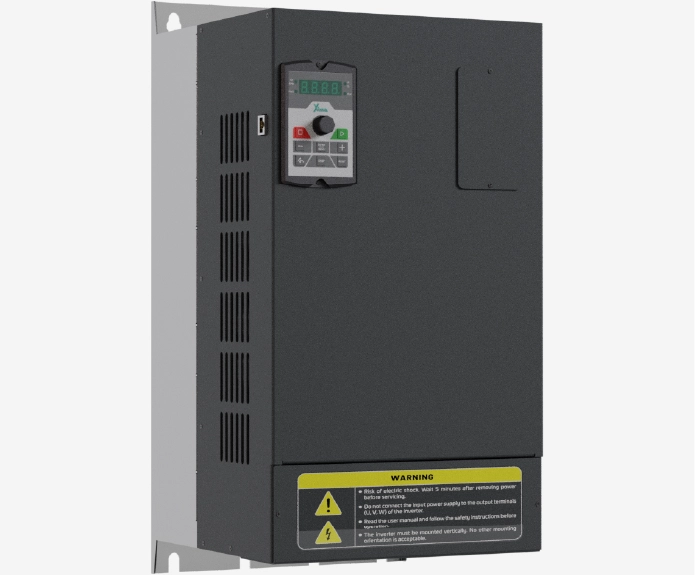
55 kW Three-Phase Industrial Series Inverter
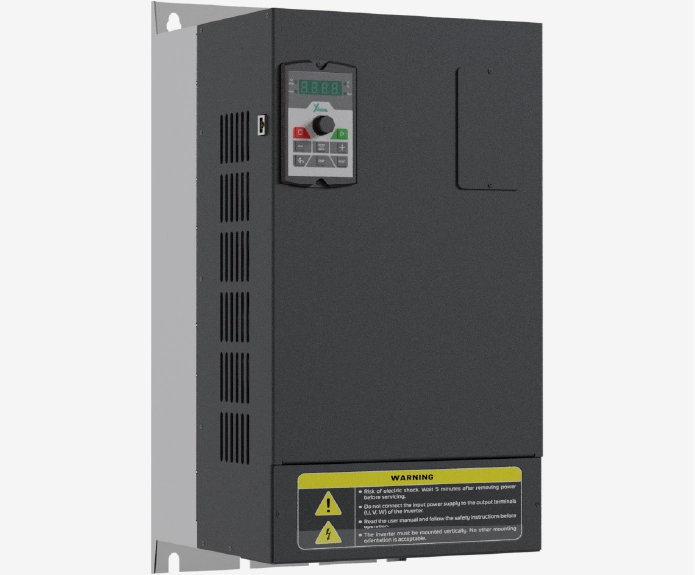
45 kW Three-Phase Industrial Series Inverter
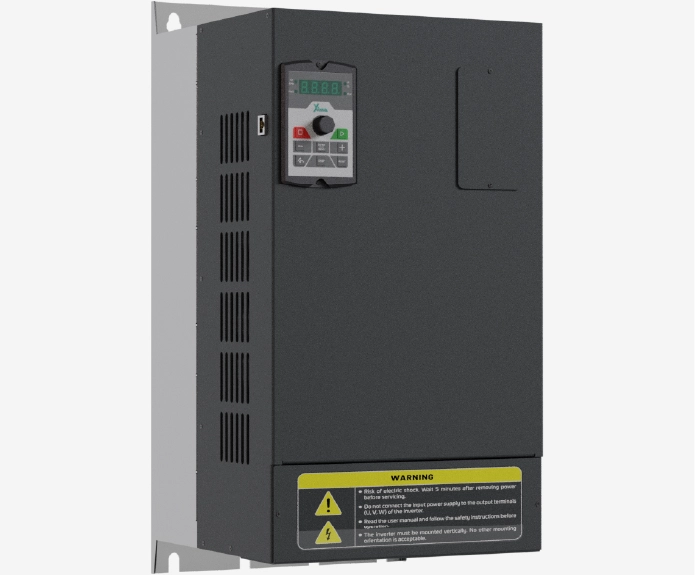
37 kW Three-Phase Industrial Series Inverter
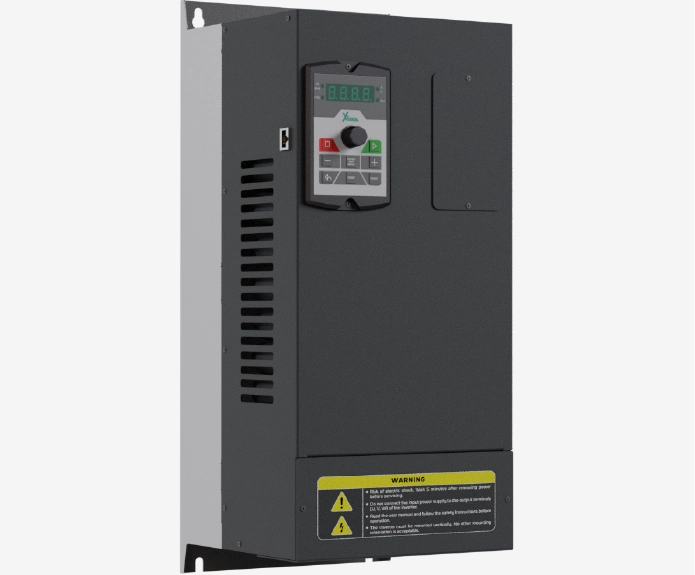
30 kW Three-Phase Industrial Series Inverter
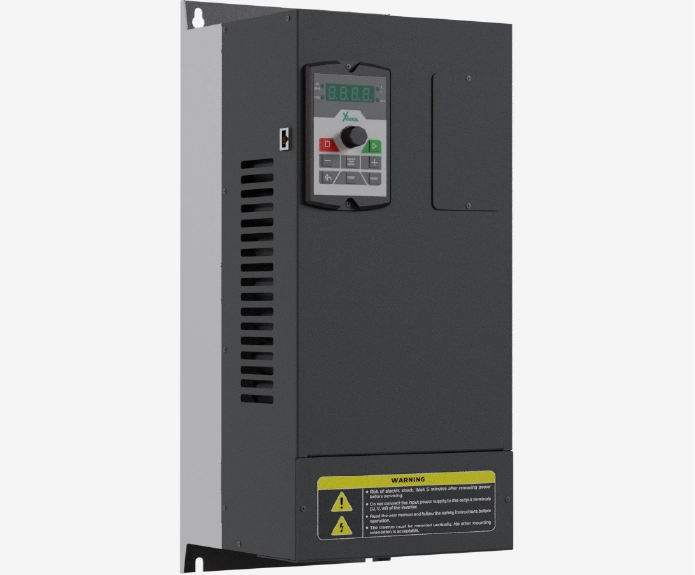
22 kW Three-Phase Industrial Series Inverter
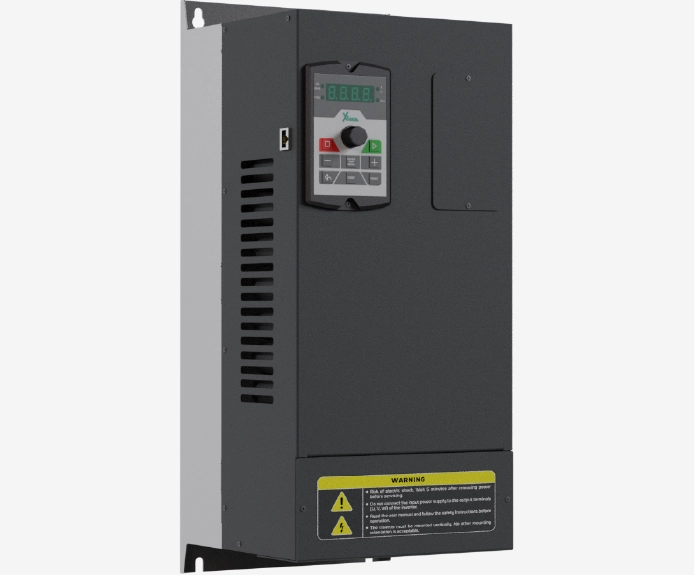
18.5 kW Three-Phase Industrial Series Inverter
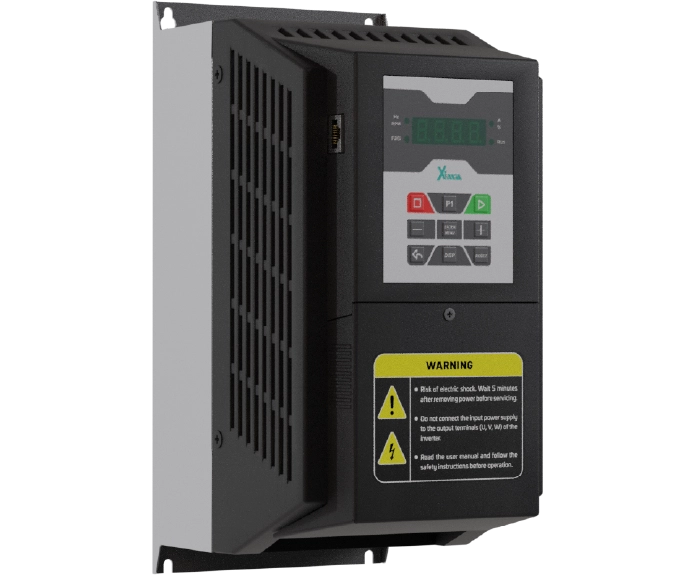
15 kW Three-Phase Industrial Series Inverter
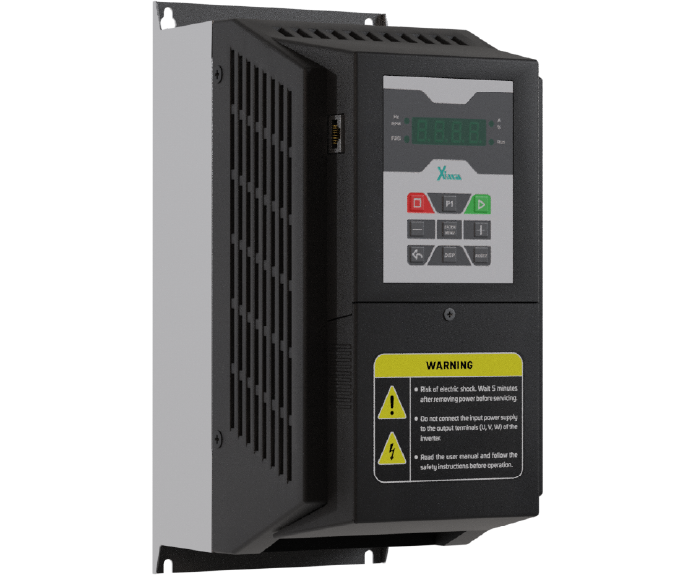
11 kW Three-Phase Industrial Series Inverter
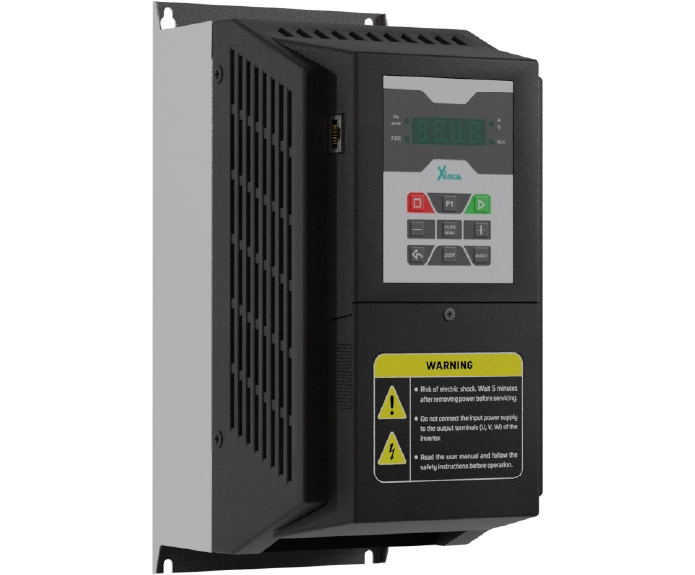
7.5 kW Three-Phase Industrial Series Inverter
User Comments
Comments
No comments yet.