
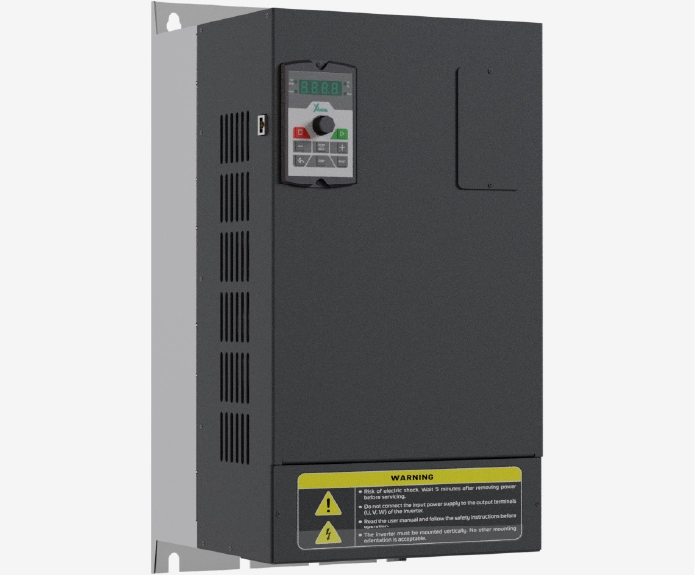
اینورتر 55 کیلووات سه فاز سری سولار پمپ
259×510×241
ورودی سه فاز 380
S300E550-3
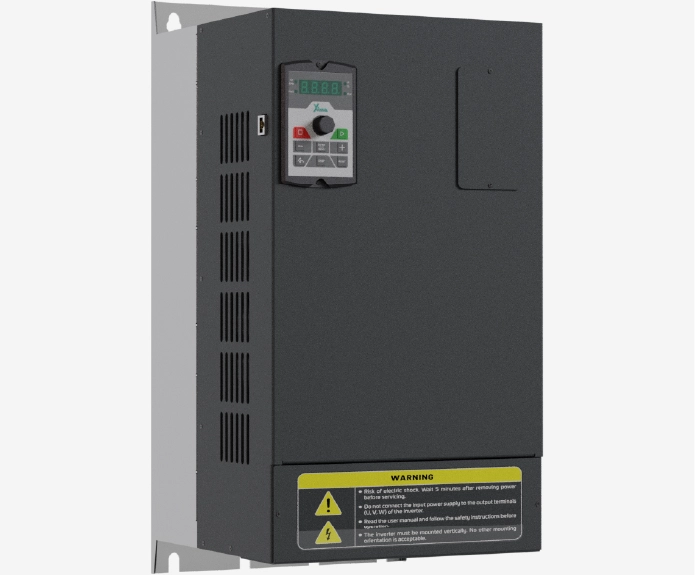
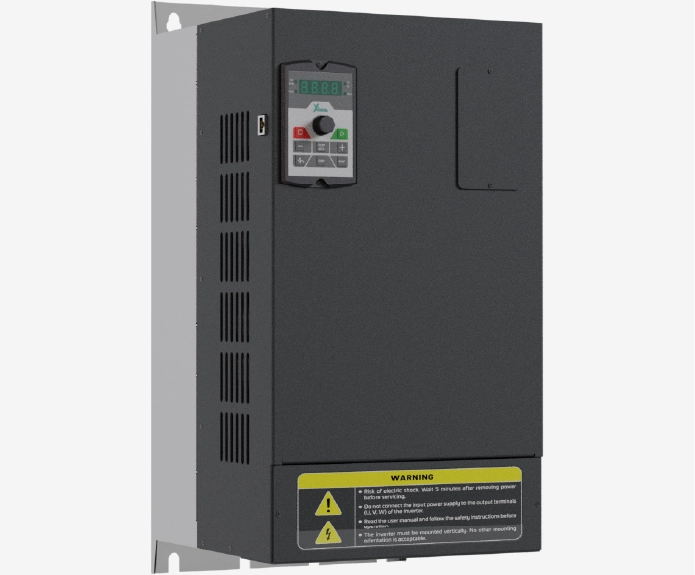
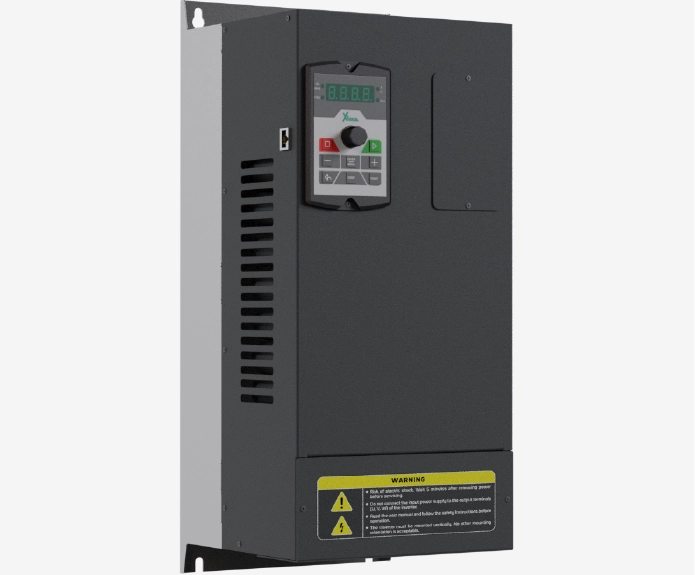
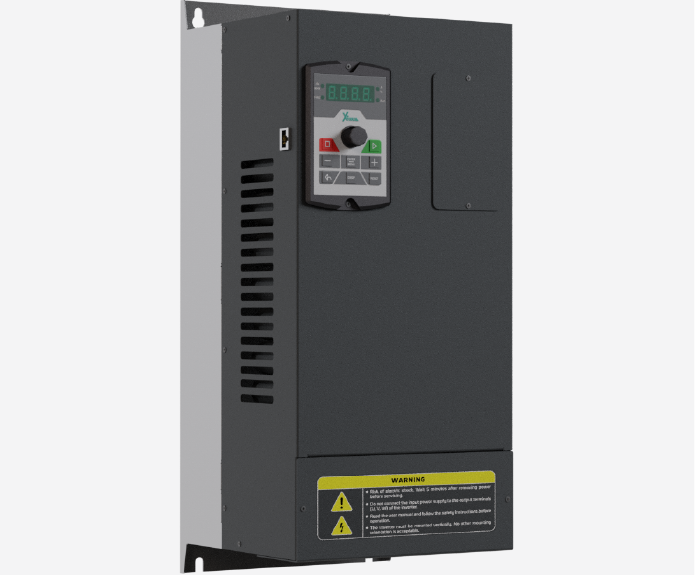
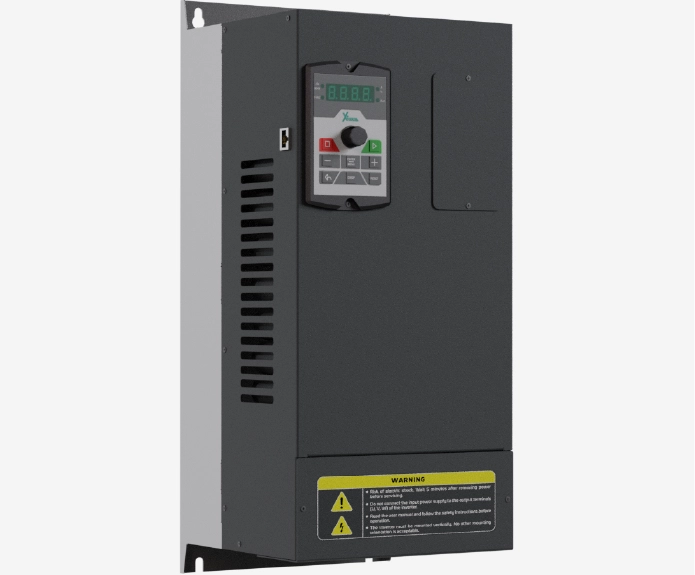
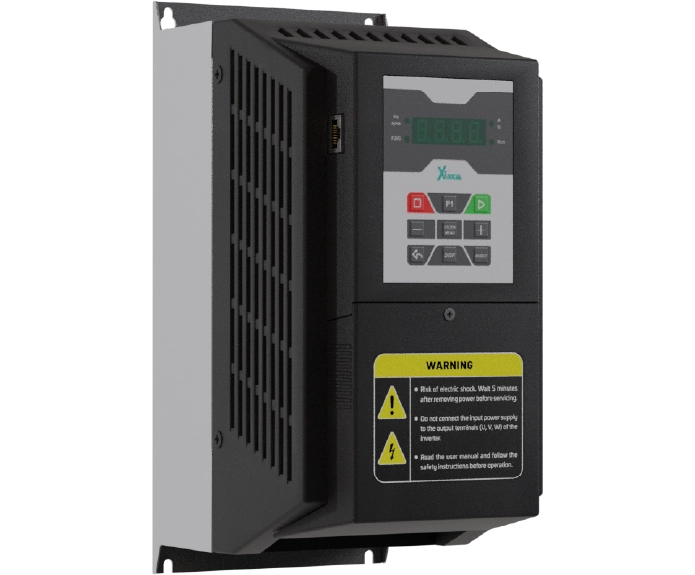
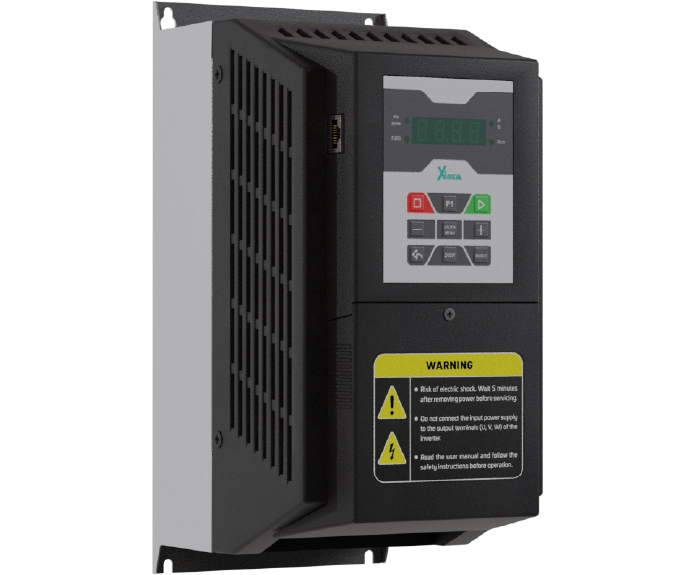
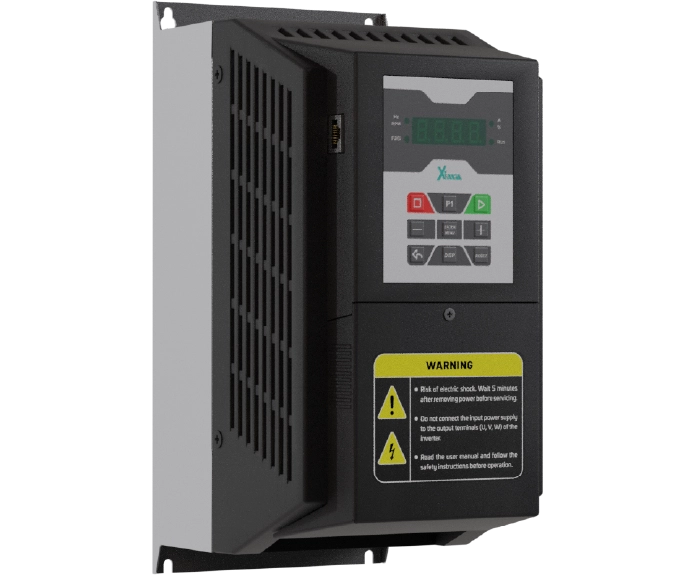
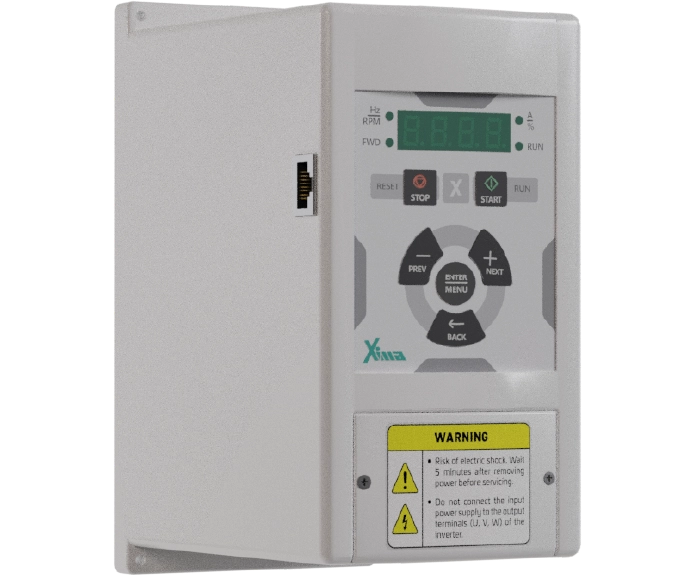
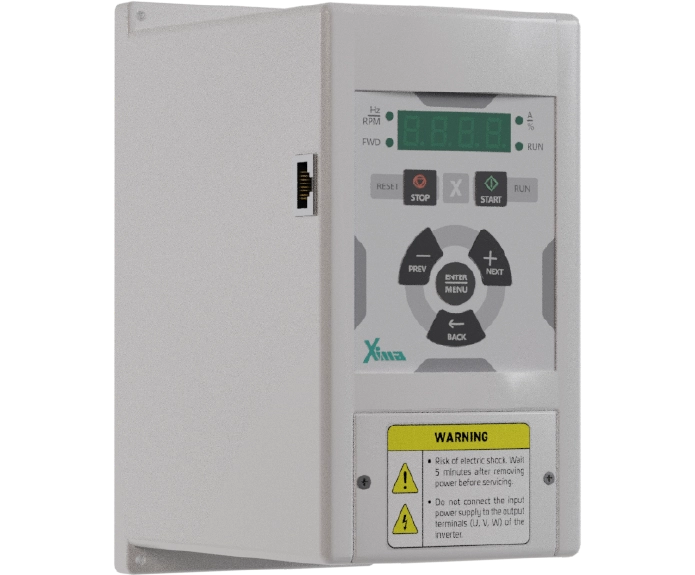
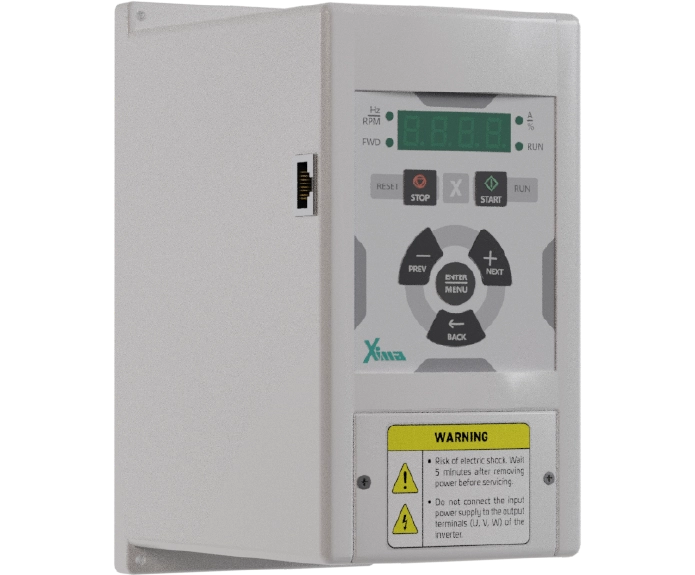
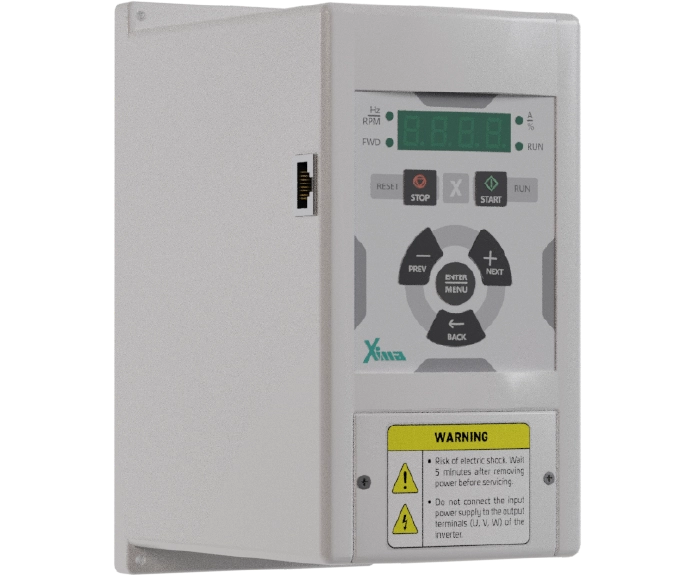
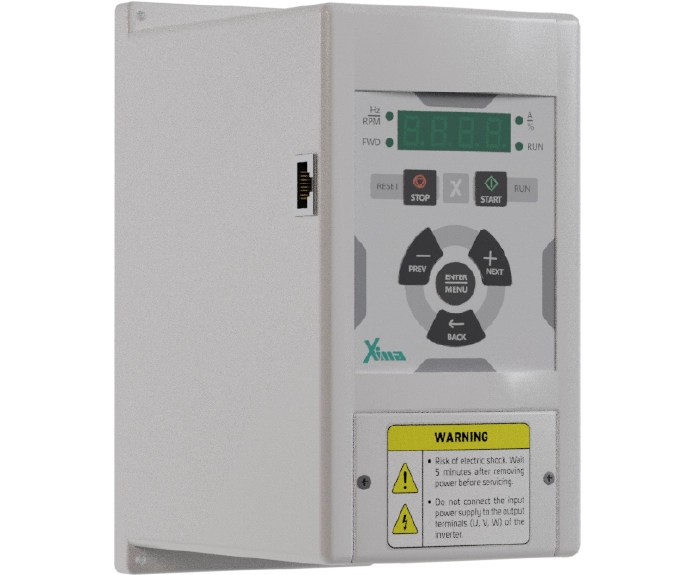
درایو سولار پمپ زیما سری S (XIMA Solar Pump) خانوادهای از درایوهای کنترل دور الکتروموتور است که برای راهاندازی و مدیریت سیستمهای پمپاژ آب با استفاده از انرژی خورشیدی طراحی شده است. این سری با دریافت انرژی الکتریکی از پنلهای خورشیدی، امکان کنترل عملکرد الکتروپمپ را بدون نیاز به باتری فراهم میکند و برای کاربردهایی مانند چاههای کشاورزی، آبیاری باغها، انتقال آب و تأمین آب در مناطق دور از شبکه برق قابل استفاده است.
اینورتر سولار پمپ سری S با پشتیبانی از ورودی DC خورشیدی، قابلیتهای کنترلی مرتبط با MPPT و امکان استفاده از برق AC شهری یا ژنراتور بهعنوان منبع جایگزین، برای شرایط متغیر تأمین انرژی در سامانههای پمپاژ توسعه یافته است.
فهرست فعلی این خانواده شامل ۱۴ مدل در محدوده توان ۱.۵ تا ۵۵ کیلووات است. تفاوت توان و مشخصات الکتریکی مدلها، امکان بررسی درایو متناسب با الکتروپمپهای مختلف و نیازهای متفاوت پمپاژ را فراهم میکند.
در یک سیستم پمپاژ خورشیدی، پنلهای فتوولتائیک انرژی تابشی خورشید را به برق جریان مستقیم (DC) تبدیل میکنند. ازآنجاکه الکتروموتورهای متناوب به تغذیه AC با ولتاژ و فرکانس مناسب نیاز دارند، برای اتصال آنها به آرایه خورشیدی باید از یک مبدل و کنترلکننده سازگار استفاده شود.
درایو سولار پمپ این وظیفه را با تبدیل انرژی DC به خروجی AC کنترلشده انجام میدهد. دستگاه با تنظیم ولتاژ و فرکانس خروجی، سرعت الکتروموتور را مدیریت میکند و به این ترتیب امکان تغییر عملکرد پمپ متناسب با شرایط منبع انرژی فراهم میشود.
مسیر اصلی انتقال انرژی در این سیستم به شکل زیر است:
پنل خورشیدی ← تجهیزات حفاظت DC ← درایو سولار پمپ ← الکتروموتور ← پمپ آب
در طول روز، تغییر شدت تابش و دمای پنلها باعث تغییر توان الکتریکی قابلدریافت از آرایه میشود. درایو تخصصی خورشیدی باید بتواند این شرایط را مدیریت کند تا عملکرد الکتروموتور با انرژی موجود هماهنگ بماند.
نکته مهم آن است که کاهش سرعت الکتروموتور همیشه به معنی ادامه آبدهی پمپ نیست. در پمپهای سانتریفیوژ، با کاهش سرعت، هد قابلتأمین نیز کاهش مییابد. اگر هد ایجادشده از هد موردنیاز سیستم کمتر شود، جریان خروجی آب میتواند بهشدت کاهش یابد یا متوقف شود.
به همین دلیل، طراحی صحیح سیستم پمپاژ خورشیدی نیازمند بررسی همزمان توان الکتریکی، ویژگیهای هیدرولیکی پمپ و شرایط تابش خورشید است.
توان تولیدی پنل خورشیدی در همه ساعات روز یکسان نیست. تغییر شدت تابش، دمای سلولها و شرایط محیطی باعث جابهجایی نقطه کاری پنل میشود.
فناوری MPPT (Maximum Power Point Tracking) با هدف یافتن نقطه مناسب بهرهبرداری از آرایه خورشیدی به کار میرود.
در سری S زیما، تنظیمات اختصاصی مربوط به ولتاژ نقطه حداکثر توان، جستوجوی خودکار نقطه MPP و تعیین ولتاژ مرجع پیشبینی شده است.
این قابلیت به درایو کمک میکند شرایط تغذیه را متناسب با مشخصات آرایه خورشیدی مدیریت کند. بااینحال، عملکرد MPPT به معنی ثابت ماندن سرعت پمپ یا تأمین آبدهی یکسان در همه شرایط تابش نیست.
در زمان طراحی، محدوده ولتاژ ورودی DC درایو باید با مشخصات پنلها و آرایش سری و موازی آنها مطابقت داشته باشد.
یکی از ویژگیهای اصلی سری S، امکان استفاده مستقیم از انرژی خورشیدی برای راهاندازی پمپ بدون نیاز به تجهیزات ذخیرهسازی باتری است.
در این ساختار، انرژی تولیدی پنلها در زمان تابش برای تأمین توان موردنیاز الکتروموتور استفاده میشود. بنابراین سیستم میتواند بهجای ذخیره انرژی الکتریکی در باتری، آب پمپاژشده را در یک مخزن مناسب ذخیره کند.
این روش بهویژه در پروژههایی کاربرد دارد که زمان برداشت آب انعطافپذیر است و امکان ذخیره آب برای مصرف در ساعات دیگر وجود دارد.
مدت پمپاژ روزانه، حجم آب انتقالیافته و عملکرد سیستم در ساعات کمتابش به ظرفیت پنلها، شرایط جغرافیایی و مشخصات پمپ وابسته است.
درایوهای سولار پمپ سری S برای کاربرد با آرایه خورشیدی DC طراحی شدهاند و امکان استفاده از برق شهری یا ژنراتور سازگار را نیز بهعنوان منبع تغذیه جایگزین دارند.
این قابلیت در سامانههایی اهمیت دارد که تأمین آب تنها به ساعات تابش خورشید محدود نیست.
وجود منبع جایگزین، امکان طراحی سیستم برای ادامه کار در شرایط کاهش تابش یا شب را فراهم میکند؛ مشروط بر اینکه تجهیزات تغذیه، مدار تغییر منبع و حفاظتهای الکتریکی بهدرستی انتخاب شده باشند.
قابلیت پذیرش دو نوع منبع تغذیه لزوماً به معنی امکان اتصال همزمان آنها یا تغییر خودکار منبع بدون تجهیزات و تنظیمات متناسب نیست.
یکی از خطرات مهم در سیستمهای پمپاژ، کارکرد پمپ در شرایط کمبود یا قطع جریان آب است. این وضعیت ممکن است بر اثر افت سطح آب چاه، اختلال در مسیر مکش یا تغییر شرایط هیدرولیکی رخ دهد.
در سری S زیما، قابلیت تشخیص خشککارکردن پمپ (Dry Pump Detection) پیشبینی شده است.
این قابلیت بر اساس پارامترهایی مانند فرکانس کارکرد و توان مصرفی موتورپمپ عمل میکند. در صورت فعالسازی و تنظیم صحیح، درایو میتواند شرایط احتمالی خشککارکردن را تشخیص داده و مطابق تنظیمات حفاظتی واکنش نشان دهد.
همچنین پارامترهایی برای تعیین زمان تشخیص، تأخیر در توقف، فاصله زمانی تلاش مجدد و تعداد دفعات راهاندازی مجدد وجود دارد.
عملکرد مؤثر این حفاظت به تنظیم درست آستانهها بر اساس مشخصات واقعی پمپ بستگی دارد و جایگزین تمامی تجهیزات حفاظتی موردنیاز سیستم نیست.
در سامانههایی که آب از چاه یا منبع برداشت به مخزن ذخیره منتقل میشود، کنترل سطح آب اهمیت زیادی دارد.
درایو سری S از توابع مرتبط با فلوتر یا سنسور سطح مخزن پشتیبانی میکند. این توابع امکان تشخیص پر شدن مخزن، تعیین آستانه شروع مجدد پمپاژ و تنظیم تأخیرهای لازم برای جلوگیری از واکنش به تغییرات لحظهای سیگنال را فراهم میکنند.
نوع سنسور، نحوه سیمبندی و پارامترهای کنترلی باید با ساختار سیستم و مستندات دستگاه مطابقت داشته باشند.
درایوهای سولار پمپ زیما سری S در ۱۴ مدل با محدوده توان ۱.۵ تا ۵۵ کیلووات ارائه میشوند. این محصولات در چهار گروه S100، S200، S300D و S300E دستهبندی شدهاند تا امکان انتخاب درایو متناسب با توان الکتروموتور و شرایط سیستم پمپاژ خورشیدی فراهم باشد.
انتخاب مدل مناسب از میان این خانوادهها تنها به توان نامی الکتروموتور محدود نمیشود. جریان خروجی درایو، ولتاژ موتور، محدوده ولتاژ ورودی DC، مشخصات آرایه خورشیدی و شرایط هیدرولیکی پمپ نیز باید بررسی شوند تا هماهنگی تجهیزات با نیاز واقعی سیستم پمپاژ برقرار باشد.
در فهرست سری S، مدلهایی با کلاس ورودی AC ۲۲۰ ولت و ۳۸۰ ولت وجود دارند.
در مدلهای دارای ورودی AC تکفاز ۲۲۰ ولت، خروجی موتور سهفاز ۲۲۰ ولت است. بنابراین عبارت «تکفاز» در عنوان محصول لزوماً به معنی سازگاری آن با الکتروموتور تکفاز نیست.
در مدلهای کلاس ۳۸۰ ولت، مشخصات تغذیه و خروجی باید با پلاک الکتروموتور و مدار الکتریکی پروژه تطبیق داده شوند.
در هر دو کلاس، ولتاژ ورودی AC با محدوده مجاز ولتاژ DC آرایه خورشیدی یکسان نیست. این دو مشخصه باید بهصورت جداگانه بررسی شوند.
برای دسترسی به جدولهای جریان نامی، ابعاد فریمها و مشخصات تجهیزات میتوان از معرفی فنی درایوهای سولار پمپ سری S زیما استفاده کرد.
در چاههای کشاورزی فاقد برق شبکه یا دارای محدودیت تأمین انرژی، استفاده از پنل خورشیدی و درایو مناسب امکان راهاندازی موتورپمپ سازگار را فراهم میکند.
انتخاب اینورتر برای چاه به عمق هندسی چاه محدود نیست. سطح دینامیکی آب، ارتفاع دهانه چاه تا محل تخلیه، افت فشار لولهها و دبی موردنیاز باید در تعیین هد کل پمپاژ بررسی شوند.
در چاههایی با هد بالا، توانایی پمپ برای غلبه بر هد موردنیاز در ساعات کاهش تابش اهمیت ویژهای دارد.
در سامانههای آبیاری، انرژی خورشیدی میتواند برای انتقال آب از چاه، استخر یا منبع برداشت به مخزن ذخیره یا شبکه آبیاری مورد استفاده قرار گیرد.
عملکرد سیستم به روش آبیاری، حجم آب روزانه، فشار موردنیاز و برنامه زمانی مصرف بستگی دارد.
در سیستمهایی که فشار نسبتاً ثابتی در شبکه آبیاری لازم است، طراحی هیدرولیکی و در صورت نیاز استفاده از مخزن یا تجهیزات تنظیم فشار باید جداگانه انجام شود. تغییرات توان خورشیدی میتواند بر دبی و فشار خروجی پمپ اثر بگذارد.
در تأسیسات دامداری، درایو پمپ خورشیدی میتواند بخشی از سیستم انتقال آب از چاه یا منبع برداشت به مخازن ذخیره باشد.
در این کاربرد، تعیین ظرفیت مخزن و نیاز مصرف در ساعات بدون تابش، بخش مهمی از طراحی مجموعه است.
در پروژههای انتقال آب به مخازن، تأسیسات کشاورزی و مناطق دورافتاده، درایو سولار پمپ امکان استفاده از انرژی خورشیدی را برای الکتروموتورهای سازگار فراهم میکند.
در این سامانهها، فاصله انتقال، اختلاف ارتفاع، قطر خطوط لوله و افتهای هیدرولیکی باید در کنار مشخصات الکتریکی بررسی شوند.
عبارت «اینورتر سولار» در کاربردهای مختلفی استفاده میشود، اما همه اینورترهای خورشیدی وظیفه یکسانی ندارند.
اینورترهای متصل به شبکه، مستقل از شبکه و هیبریدی معمولاً برای تأمین برق مصرفکنندهها، مدیریت ذخیره انرژی یا تبادل توان با شبکه طراحی میشوند.
در مقابل، اینورتر سولار پمپ یک درایو کنترل دور است که خروجی آن برای راهاندازی و کنترل الکتروموتور پمپ تنظیم میشود.
همچنین باید میان خود پمپ خورشیدی و درایو آن تفاوت قائل شد. اصطلاح «پمپ سولار» معمولاً به پمپ یا مجموعه تجهیزات پمپاژ خورشیدی اشاره دارد، درحالیکه درایو سری S یکی از اجزای کنترلی چنین سامانهای است.
درایو سولار پمپ زیما نباید بهعنوان اینورتر عمومی تأمین برق ساختمان یا تجهیزات غیرموتوری در نظر گرفته شود.
درایوهای پمپی متعارف که از منبع AC تغذیه میشوند، عمدتاً برای کنترل عملکرد الکتروپمپ در سامانههای آبرسانی و فرایندهای صنعتی استفاده میشوند.
در سری S، علاوه بر کنترل موتور، مدیریت انرژی دریافتی از پنل خورشیدی و عملکرد سیستم در شرایط تغییر تابش مطرح است.
به همین دلیل، نوع منبع تغذیه و شرایط بهرهبرداری، نقش مهمی در انتخاب میان درایو سولار پمپ و درایو پمپی متعارف دارند.
انتخاب درایو مناسب برای سیستم پمپاژ خورشیدی با تعیین توان نامی آغاز میشود، اما برای تکمیل آن باید چند بخش مستقل بررسی شوند.
توان نامی موتور بر حسب کیلووات، ولتاژ و جریان نامی، نوع اتصال و شرایط کارکرد، اطلاعات اصلی برای ارزیابی سازگاری موتور با درایو هستند.
ظرفیت جریان خروجی دستگاه باید با جریان موردنیاز الکتروموتور تناسب داشته باشد. یکسان بودن توان اسمی درایو و موتور، بدون بررسی جریان و ولتاژ، برای تأیید انتخاب کافی نیست.
هد کل دینامیکی و دبی طراحی، نقطه کارکرد موردنیاز پمپ را مشخص میکنند.
در یک سیستم خورشیدی باید بررسی شود که پمپ در محدوده سرعت قابلدستیابی از منبع خورشیدی، چه هد و دبیای تولید میکند.
برای مثال، در پمپهای سانتریفیوژ، کاهش سرعت میتواند باعث کاهش قابلتوجه هد شود. این مسئله در چاههای عمیق و سامانههایی با ارتفاع انتقال زیاد اهمیت بیشتری دارد.
توان نامی پنلها تنها یکی از پارامترهای طراحی است. محدوده ولتاژ کاری آرایه باید با الزامات ورودی DC درایو هماهنگ باشد.
مشخصات زیر در این مرحله اهمیت دارند:
در محاسبه تعداد پنلها باید علاوه بر توان موردنیاز، حداکثر ولتاژ مجاز ورودی و محدوده عملکرد MPPT مدل انتخابی رعایت شود.
در سیستم پمپاژ بدون باتری، انرژی قابلدسترس در طول روز ثابت نیست. بنابراین طراحی باید بر اساس انرژی خورشیدی قابلدریافت در محل و حجم آب موردنیاز انجام شود.
برای بسیاری از کاربردهای کشاورزی، ذخیره آب در مخزن میتواند امکان جداسازی زمان پمپاژ از زمان مصرف را فراهم کند.
در پروژههایی که تأمین آب در ساعتهای مشخص الزامی است، وجود منبع انرژی جایگزین یا ظرفیت ذخیره آب باید از ابتدا در طراحی مشخص شود.
درایوهای سری S دارای تجهیزات الکترونیک قدرت هستند و نصب و راهاندازی آنها باید توسط افراد متخصص انجام شود.
بدنه دستگاه در مشخصات رسمی با درجه حفاظت IP20 معرفی شده است؛ بنابراین برای نصب در محیطهای دارای رطوبت، گردوغبار یا احتمال تماس با آب، باید تابلو یا محفظهای با درجه حفاظت متناسب با شرایط محل در نظر گرفته شود.
تهویه، فاصله نصب تجهیزات، حفاظت ورودی، اتصال زمین و انتخاب کابل متناسب با جریان و طول مسیر، از موضوعات ضروری در طراحی تابلو هستند.
در پروژههای دارای موتورپمپ شناور و کابل طولانی، بررسی آثار کابل بر خروجی درایو و نیاز احتمالی به تجهیزات حفاظتی یا فیلتر مناسب اهمیت دارد.
همچنین راهاندازی سیستم باید با تنظیم پارامترهای موتور، منبع تغذیه خورشیدی، شرایط توقف و شروع مجدد و حفاظتهای پمپاژ همراه باشد.
مرجع اصلی برای جزئیات نصب، سیمبندی، تنظیمات MPPT، کنترل سطح مخزن و حفاظت خشککارکردن، دفترچه راهنمای نصب درایو سولار پمپ سری S زیما است. پیش از اعمال تنظیمات، باید انطباق نسخه مستندات با مدل و نسخه نرمافزار دستگاه بررسی شود.
بله. این سری برای پمپاژ آب با استفاده از انرژی پنلهای خورشیدی بدون نیاز به باتری طراحی شده است. در چنین سیستمی توان قابلاستفاده موتورپمپ به انرژی خورشیدی موجود وابسته است.
در صورت وجود برق شهری یا ژنراتور سازگار و طراحی صحیح مدار تغذیه، امکان استفاده از منبع انرژی جایگزین فراهم است. در نبود منبع پشتیبان، سیستم بدون باتری نمیتواند پس از قطع انرژی خورشیدی به پمپاژ ادامه دهد.
امکان استفاده برای موتورپمپ شناور سازگار وجود دارد. انتخاب مدل باید با بررسی ولتاژ و جریان موتور، هد و دبی، طول کابل و شرایط راهاندازی انجام شود.
تکفاز بودن ورودی AC برخی مدلها به معنی تکفاز بودن خروجی آنها نیست. مدلهای دارای ورودی AC تکفاز ۲۲۰ ولت در فهرست سری S، خروجی سهفاز ۲۲۰ ولت دارند. نوع الکتروموتور باید با مشخصات خروجی مدل انتخابی سازگار باشد.
خیر. MPPT برای مدیریت نقطه کاری آرایه خورشیدی به کار میرود، اما مقدار انرژی خورشیدی همچنان با شرایط تابش تغییر میکند. آبدهی پمپ نیز به توان قابلدریافت، سرعت موتور و مشخصات هیدرولیکی سیستم وابسته است.
بله. در مستندات این سری، توابعی برای تشخیص شرایط احتمالی خشککارکردن و کنترل سطح مخزن پیشبینی شده است. فعالسازی این امکانات و تنظیم آستانهها باید بر اساس شرایط واقعی پروژه انجام شود.
درایو سولار پمپ زیما سری S برای کنترل الکتروموتور در سیستمهای پمپاژ مبتنی بر انرژی خورشیدی طراحی شده است. پشتیبانی از تغذیه خورشیدی DC، امکان استفاده از منبع برق AC جایگزین، تنظیمات MPPT و توابع حفاظتی مرتبط با پمپاژ از ویژگیهای فنی این خانواده هستند.
با وجود تنوع مدلها از ۱.۵ تا ۵۵ کیلووات، انتخاب درایو صرفاً بر اساس توان اسمی انجام نمیشود. سازگاری جریان و ولتاژ موتور، ظرفیت آرایه خورشیدی، هد و دبی موردنیاز و شرایط بهرهبرداری باید بهصورت یکپارچه بررسی شوند.
برای بررسی انطباق مشخصات درایو سری S با شرایط موتورپمپ و طرح پمپاژ، میتوان اطلاعات فنی پروژه را از طریق ارتباط با کارشناسان فنی زیما در اختیار مجموعه قرار داد.
The XIMA S-Series Solar Pump Drive is a range of variable frequency drives (VFDs) specifically designed to operate and control electric water pumps using solar energy. By drawing power directly from photovoltaic (PV) panels, these drives enable battery-free water pumping in agricultural wells, irrigation systems, water transfer applications and remote locations with limited access to the electrical grid.
The S-Series solar pump inverter supports DC power from solar PV arrays, incorporates Maximum Power Point Tracking (MPPT) functions and allows a compatible AC supply from the utility grid or a generator to be used as an alternative power source.
The range comprises 14 models rated from 1.5 kW to 55 kW, covering different motor capacities and electrical requirements. This range enables engineers and system designers to select a suitable solar pump drive according to the motor specifications, pumping requirements and available solar energy.
In a solar water pumping system, photovoltaic panels convert sunlight into direct current (DC) electricity. AC electric motors, however, require an alternating-current supply with appropriate voltage and frequency characteristics.
A solar pump drive provides the necessary power conversion and motor control between the PV array and the electric water pump.
The drive converts DC power into a controlled AC output and regulates the motor’s operating voltage and frequency. This allows motor speed, and consequently pump performance, to respond to changes in the available electrical power.
The basic energy flow is:
Solar PV Panels → DC Protection Equipment → Solar Pump Drive → Electric Motor → Water Pump
Throughout the day, variations in solar irradiance and panel temperature affect the electrical power available from the PV array. A dedicated solar pump inverter manages these changing input conditions while adjusting motor operation to suit the energy available.
However, reducing motor speed does not necessarily mean that water delivery will continue at a lower rate.
In centrifugal pumps, a reduction in rotational speed also reduces the head the pump can develop. If the available pump head falls below the total head required by the system, water flow may decrease significantly or stop altogether.
For this reason, proper solar pumping system design requires the combined assessment of electrical power, pump hydraulic characteristics and site-specific solar conditions.
The electrical output of a solar PV array varies throughout the day. Changes in sunlight intensity, solar cell temperature and environmental conditions affect the voltage and power available from the panels.
Maximum Power Point Tracking (MPPT) is used to identify a suitable operating point at which the PV array can deliver its available power.
The XIMA S-Series includes dedicated MPPT-related parameters, including maximum power point voltage settings, automatic MPP search functions and voltage reference adjustments.
These functions allow the drive to manage its input operating conditions according to the characteristics of the connected solar array.
MPPT operation does not, however, guarantee constant pump speed or a fixed water flow rate under changing sunlight conditions.
During system design, the drive’s allowable DC input voltage range must be matched to the electrical characteristics of the PV modules and their series-parallel configuration.
One of the main features of the XIMA S-Series is the ability to operate a water pump directly from solar energy without requiring battery storage.
In this configuration, electricity generated by the PV array is used to power the motor during periods of sufficient sunlight.
Instead of storing electrical energy in batteries, the system can store pumped water in a suitably sized reservoir or storage tank.
This approach is particularly relevant to agricultural and water supply applications where pumping schedules are flexible and water can be stored for use outside daylight hours.
Daily pumping duration, total water delivery and performance during low-irradiance periods depend on the PV array capacity, geographical conditions and pump characteristics.
XIMA S-Series solar pump drives are designed to operate with a DC solar PV array while also allowing a compatible utility AC supply or generator to serve as an alternative power source.
This capability is particularly relevant to water pumping systems that must operate beyond daylight hours.
An alternative power source can be incorporated into the system design to support pumping during periods of insufficient sunlight or at night.
However, accepting different power sources does not necessarily mean that they can be connected simultaneously or switched automatically without suitable equipment and configuration.
Power source selection, switching circuits and electrical protection must follow the manufacturer’s installation requirements and the electrical design of the system.
Dry running is a significant operating risk in water pumping systems. It may occur when the water level in a well drops, the suction supply becomes inadequate or hydraulic conditions change.
The XIMA S-Series includes a Dry Pump Detection function.
This function uses operating parameters such as motor frequency and power consumption to identify conditions that may indicate insufficient water supply.
When properly enabled and configured, the drive can detect a potential dry-running condition and respond according to the selected protection settings.
The available parameters include detection time, stopping delay, restart interval and the permitted number of restart attempts.
Effective operation depends on selecting appropriate thresholds for the actual pump and hydraulic system. Drive-based dry-run detection should not be treated as a substitute for every other protective device required by the installation.
Water level monitoring is important in systems that transfer water from wells or other sources into storage tanks.
The S-Series supports control functions associated with float switches and tank level sensors.
These functions can be configured to detect a full tank, establish restart thresholds and introduce time delays that prevent unnecessary switching in response to brief signal fluctuations.
Sensor selection, wiring and control parameters must be compatible with the installation and the drive’s technical documentation.
The XIMA S-Series comprises 14 solar pump drive models ranging from 1.5 kW to 55 kW. The product range is organised into four groups: S100, S200, S300D and S300E.
These groups cover different motor power ratings and drive sizes, allowing an appropriate model to be evaluated for a particular solar pumping application.
Selecting a suitable model involves more than matching the nominal motor power.
Rated drive output current, motor voltage, DC input voltage range, PV array specifications and pump hydraulic characteristics must also be considered to ensure compatibility with the intended pumping system.
The XIMA S-Series product range includes models with 220 V and 380 V AC input classes.
Models designed for a single-phase 220 V AC input provide a three-phase 220 V motor output. Therefore, the term single-phase in a model description does not necessarily indicate compatibility with a single-phase motor.
For models in the 380 V class, the input and output electrical specifications must be checked against the motor nameplate and the installation’s electrical configuration.
In both voltage classes, the AC input voltage rating is different from the permissible DC input voltage range of the solar PV array.
These two specifications must be evaluated separately.
Detailed information about rated currents, enclosure dimensions and electrical characteristics is available in the XIMA S-Series Technical Overview.
Solar pump drives can be used to operate compatible electric pumps in agricultural wells where grid electricity is unavailable or its supply is limited.
Selecting a suitable drive for a well pumping system requires more than knowing the physical depth of the well.
The dynamic water level, elevation difference between the water source and delivery point, pipeline friction losses and required flow rate must all be considered when determining the total dynamic head (TDH).
For deep wells and high-head applications, the ability of the pump to overcome the required system head during periods of reduced solar power is particularly important.
Solar-powered pumping can be used to transfer water from wells, reservoirs or other water sources to storage tanks and irrigation networks.
System performance depends on the irrigation method, daily water requirements, operating pressure and irrigation schedule.
In irrigation systems requiring relatively stable pressure, the hydraulic design and any necessary storage or pressure regulation equipment must be considered separately.
Variations in solar power can affect the pump’s available flow rate and discharge pressure.
In livestock facilities, a solar pump drive can form part of a system that transfers water from a well or another source to a storage reservoir.
For these applications, sizing the storage tank and estimating water demand during periods without sufficient sunlight are important parts of system design.
Solar pump drives can be used in water transfer systems serving remote agricultural facilities, storage reservoirs and locations where installing a conventional electrical supply is difficult.
The design must consider transfer distance, elevation changes, pipeline diameter and hydraulic losses alongside the electrical characteristics of the motor and solar array.
The term solar inverter covers several types of power conversion equipment, but not all solar inverters serve the same purpose.
Grid-tied, off-grid and hybrid solar inverters are generally designed to supply AC electricity to electrical loads, manage stored energy or exchange power with the utility grid.
A solar pump inverter, on the other hand, is a motor control drive specifically designed to operate an electric water pump.
Its output voltage and frequency are controlled according to the motor requirements and the available electrical power.
It is also important to distinguish a solar water pump from a solar pump drive.
The term solar water pump may refer to the pump itself or a complete solar pumping system, whereas the XIMA S-Series drive is the motor control component within such a system.
The S-Series should not be regarded as a general-purpose solar inverter for supplying buildings or unrelated electrical equipment.
Conventional pump variable frequency drives are typically supplied from an AC electrical source and are used to regulate electric pumps in water supply and industrial pumping systems.
In the S-Series, motor control is combined with the management of electrical power received from a solar PV array.
The drive must therefore account for changes in available solar energy as well as the electrical and mechanical requirements of the pump.
The available power source and intended operating conditions are key factors when evaluating a solar pump drive against a conventional pump VFD.
Selecting a suitable solar pump drive begins with the motor’s rated power, but a complete assessment requires several additional technical considerations.
The motor’s rated power in kilowatts, rated voltage, full-load current, winding configuration and operating conditions provide the basis for evaluating drive compatibility.
The drive’s rated output current must be suitable for the motor’s electrical requirements.
Matching the nominal power ratings of the motor and drive is not sufficient without checking current and voltage compatibility.
Total dynamic head (TDH) and the required flow rate establish the intended operating point of the pump.
In a solar-powered system, it is necessary to determine whether the pump can deliver the required head and flow within the speed range achievable using the available solar energy.
For centrifugal pumps, a reduction in rotational speed can significantly reduce the available pump head.
This is particularly important for deep wells and water transfer systems with substantial elevation differences.
The total rated power of the PV modules is only one aspect of array design.
The electrical operating range of the PV array must also remain within the drive’s permissible DC input conditions.
Important parameters include:
The number and arrangement of PV modules must be determined with reference to the required operating power, maximum allowable DC voltage and MPPT operating range of the selected drive.
In a battery-free solar pumping system, the available electrical power changes throughout the day.
The system should therefore be designed using the solar energy realistically available at the installation site and the volume of water that must be delivered.
For many agricultural applications, a suitably sized water storage tank allows pumping to take place during periods of available sunlight while water is consumed at other times.
Where water delivery is required at fixed times, alternative power sources or adequate stored water capacity should be incorporated into the initial system design.
XIMA S-Series drives contain power electronic components and must be installed and commissioned by qualified personnel.
The manufacturer’s technical specifications identify the drive enclosure protection rating as IP20.
Consequently, installations exposed to moisture, dust, water spray or other environmental hazards require an appropriately rated electrical enclosure.
Cabinet ventilation, installation clearances, input protection, protective earthing and suitable cable sizing are essential considerations in the electrical design.
In systems using submersible pumps with long motor cables, the potential effects of cable length on the drive output should also be assessed, including whether suitable output filtering or additional protective measures are necessary.
Commissioning involves configuring motor parameters, solar power input settings, start and stop conditions, restart behaviour and pump protection functions.
For installation procedures, wiring information, MPPT settings, tank level control and dry-run protection parameters, refer to the S-Series documentation listed in the XIMA Technical Documentation Centre.
Before applying any settings, verify that the document revision is applicable to the installed drive model and firmware version.
Yes. The S-Series is designed to operate compatible electric water pumps directly from solar PV panels without requiring battery storage.
The power available to the motor and the resulting pump performance depend on the solar energy available at any given time.
Yes, provided that a compatible alternative AC power source, such as the utility grid or a generator, is available and the electrical system has been designed accordingly.
Without a suitable alternative power source, a battery-free solar pumping system cannot continue operating after solar power becomes insufficient.
The S-Series can be evaluated for use with compatible submersible pump motors.
Drive selection must take into account motor voltage and current, pump head and flow requirements, motor cable length and operating conditions.
Not necessarily.
Some S-Series models have a single-phase 220 V AC input but provide a three-phase 220 V motor output.
Therefore, the number of input supply phases should not be confused with the motor output configuration. Motor compatibility must be checked against the selected drive’s output specifications.
No.
MPPT is used to manage the electrical operating point of the PV array, but the available solar energy still changes with sunlight conditions.
The pump flow rate depends on the available electrical power, motor speed and hydraulic characteristics of the pumping system.
Yes.
The S-Series includes functions for detecting potential dry-running conditions and monitoring water tank levels.
These functions must be enabled and configured using parameters appropriate to the actual pump, sensors and installation conditions.
The XIMA S-Series Solar Pump Drive is designed for controlling electric motors in solar-powered water pumping applications.
Its main technical functions include operation from solar DC power, compatibility with an alternative AC supply, MPPT-related control parameters and protection functions intended for water pumping systems.
With 14 models covering motor power ratings from 1.5 kW to 55 kW, the S-Series provides a range of drive configurations for different pumping requirements.
However, selecting a suitable drive requires more than matching nominal power ratings. Motor current and voltage, PV array capacity, total dynamic head, required flow rate and expected operating conditions must all be considered together.
For technical clarification or to assess the compatibility of an S-Series drive with a specific motor and solar pumping installation, project specifications can be shared through XIMA’s technical contact page.
اطلاعات تماس خود را وارد کنید تا برای استعلام قیمت این محصول با شما تماس گرفته شود.