What Is an Inverter? How It Works, Types, Applications, Benefits, and Selection Guide

What Is an Inverter? How It Works, Types, Applications, Benefits, and Selection Guide
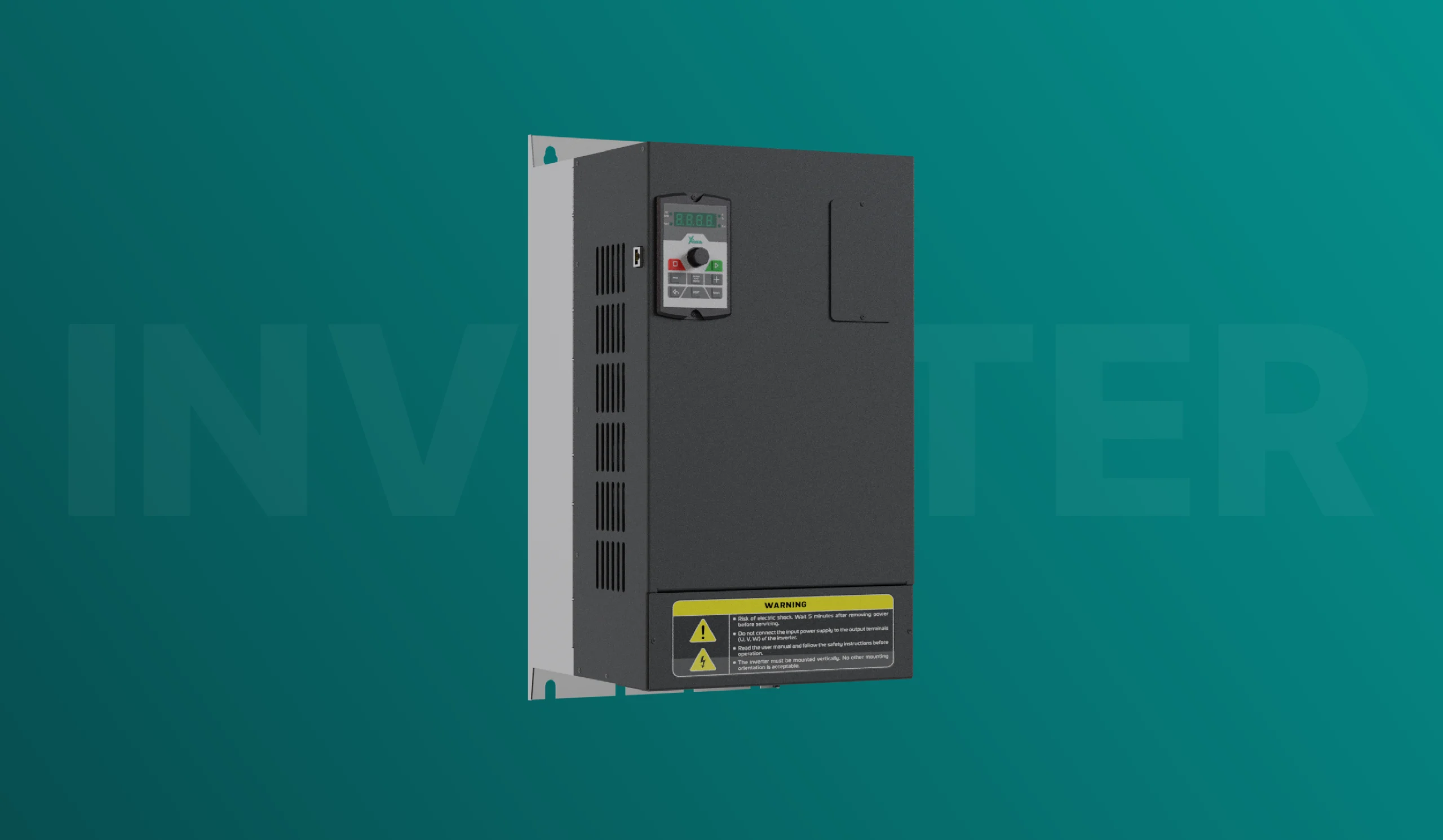
An inverter, also known as a Variable Frequency Drive (VFD), motor drive, or motor speed controller, is an electronic device used to control the speed and performance of an AC electric motor by adjusting the frequency and voltage supplied to the motor.
Industrial inverters make it possible to control motor speed, provide soft starting, adjust acceleration and deceleration, manage stopping, and, in suitable models, control motor torque.
VFDs are widely used in industrial automation, pumps, fans, conveyors, production lines, elevators, lifting equipment, mixers, extruders, and solar pumping systems.
The main advantage of using an inverter is that it allows motor operation to match the actual needs of the machine or process.
For example, a building water pump does not always require maximum flow. A conveyor may need to operate at different speeds depending on production capacity. A lift requires controlled acceleration and deceleration for smoother movement.
In these applications, simply switching the motor on and off is not enough.
A correctly selected inverter can provide better process control, smoother motor operation, reduced mechanical stress, and, in suitable applications, lower energy consumption.
However, these benefits depend on choosing the right inverter based on the motor, load, power supply, operating conditions, and control requirements.
How Does an Inverter Work?
An inverter controls an AC motor by changing the frequency and voltage supplied to it.
The speed of an AC motor is directly related to the frequency of its power supply. Since utility power normally operates at a fixed frequency, motor speed cannot be continuously adjusted without changing that frequency.
A Variable Frequency Drive solves this problem by converting the incoming electrical power and generating an output with an adjustable frequency.
In a typical industrial VFD with AC input, power conversion takes place in three main stages.
1. AC to DC Conversion
The incoming AC power first enters a rectifier circuit.
The rectifier converts alternating current into direct current.
Depending on the inverter design, the input power supply may be single-phase or three-phase.
2. DC Link or DC Bus
After rectification, the electrical power enters the intermediate section of the inverter known as the DC link or DC bus.
Capacitors and other components in this section help stabilize the DC voltage, reduce voltage fluctuations, and provide energy to the inverter output stage.
3. Adjustable AC Output
In the output stage, high-speed power transistors switch on and off rapidly.
The inverter control system manages this switching to produce an output with the frequency and voltage required by the motor.
This process is commonly performed using Pulse Width Modulation (PWM).
Because of PWM switching, the output voltage of a typical VFD is not a pure sine wave. Instead, it consists of high-frequency voltage pulses.
This characteristic is important when evaluating motor insulation, motor cable length, electromagnetic compatibility, and the possible need for output filters.
How Does Frequency Affect Motor Speed?
The speed of the rotating magnetic field inside an AC motor depends on the power supply frequency and the number of motor poles.
The relationship can be expressed as:
Synchronous Speed (RPM) = 120 × Frequency (Hz) ÷ Number of Poles
For example, a four-pole motor operating at 50 Hz has a synchronous speed of:
1,500 RPM
If the inverter reduces the frequency to 40 Hz, the synchronous speed becomes:
1,200 RPM
In an induction motor, the actual operating speed is slightly lower than the synchronous speed.
This difference is called slip.
For this reason, a four-pole induction motor operating at 50 Hz may have a rated speed shown on its nameplate that is slightly below 1,500 RPM.
A VFD changes motor speed by changing output frequency.
However, the permitted operating speed must remain within the limits of the motor and the driven machine.
Operating a motor at excessively low or high speeds without considering thermal and mechanical limitations can reduce performance or damage the system.
Types of Industrial Inverters
Industrial inverters can be classified in several ways.
The most important classifications are based on:
- Input power supply
- Motor control method
- Application
- Control features
- Motor and load requirements
Understanding these categories helps users select the right VFD for a specific machine or industrial application.
Single-Phase vs Three-Phase Inverters
One of the most common ways to classify industrial drives is according to their input power supply.
Single-Phase Input Inverter
In many industrial products, the term single-phase inverter refers to an inverter with a single-phase input.
For example, a drive may accept:
220 V single-phase input
and provide:
220 V three-phase output
for a compatible three-phase motor.
It is important to understand that a single-phase input does not mean the inverter is suitable for every single-phase motor.
It also does not mean that every 220 V inverter automatically produces a 380 V output.
Three-Phase Input Inverter
A three-phase inverter typically receives three-phase power and supplies three-phase output within the same voltage class.
For example, a 380 V three-phase inverter is generally used with a compatible three-phase motor and power supply system.
| Inverter Type | Typical Configuration | Important Consideration |
|---|---|---|
| 220 V single-phase input | Usually 220 V class three-phase output | Motor voltage, current, and winding connection must be compatible |
| 380 V three-phase input | Three-phase output in the same voltage class | Motor and power supply specifications must match |
Exact input and output voltage ranges must always be confirmed from the technical specifications of the specific inverter model.
The motor’s star or delta winding connection should also be determined according to the motor nameplate and manufacturer documentation.
General-Purpose vs Application-Specific Inverters
Another important classification is the difference between general-purpose VFDs and application-specific drives.
General-Purpose Inverters
A general-purpose inverter is designed for use in a wide range of industrial machinery.
Typical applications include:
- Conveyors
- Pumps
- Fans
- Mixers
- Machine tools
- General automation systems
- Production machinery
Application-Specific Inverters
Application-specific drives are designed with features optimized for particular applications.
For example, a pump inverter may include functions related to pressure control and pump management.
An elevator drive may focus more heavily on torque control, braking, smooth acceleration, and motion feedback.
Features such as the following should always be verified in the specifications of the exact model:
- Dry-run protection
- Multi-pump control
- Encoder support
- PID control
- Industrial communication protocols
- Brake control
- External keypad support
- Special pump functions
The fact that a drive is marketed as application-specific does not necessarily mean it includes every possible feature.
V/f Control vs Vector Control
The motor control method is another important factor when selecting an industrial inverter.
V/f Control
In V/f control, voltage and frequency are adjusted according to a predefined relationship.
This method is widely used in many general industrial applications.
It is often suitable for applications where extremely precise torque or speed control is not required.
Vector Control
Vector Control provides more advanced motor control by managing electrical components associated with magnetic flux and torque.
Depending on the inverter design, vector control can offer improved performance when:
- Load changes rapidly
- Higher torque is required at low speed
- Better speed regulation is needed
- More dynamic motor response is required
Vector control may operate without an encoder or with encoder feedback.
The best control method depends on the motor type, required speed range, torque requirements, control accuracy, and load characteristics.
What Is an Inverter Used For?
Industrial inverters are used in many applications where motor speed, torque, starting, stopping, or process control must be managed.
A VFD is not only used to change motor speed.
It can also be used for:
- Soft starting
- Controlled acceleration
- Controlled deceleration
- Torque management
- Pressure control
- Flow control
- Process automation
- Energy optimization
- Motor monitoring
Inverters for Pumps and Booster Pump Systems
Pumps are among the most common applications for Variable Frequency Drives.
In water supply systems, required flow and pressure can change throughout the day.
Operating a pump continuously at maximum speed may not match actual system demand.
A pump inverter allows motor speed to change according to pressure or flow requirements.
In a booster pump system, a pressure sensor measures system pressure and sends a signal to the controller or inverter.
The VFD then adjusts motor speed to keep pressure close to the desired setpoint.
Correct pump inverter operation depends on factors such as:
- Pump selection
- Pressure sensor selection
- Motor specifications
- Minimum and maximum speed
- Control-loop settings
- Operating pressure range
- System design
Features such as sleep mode, dry-run protection, or multi-pump control should be checked according to the inverter model.
Inverters for Fans and Ventilation Systems
Fans and HVAC systems are another major application of VFD technology.
Required airflow may change depending on:
- Operating hours
- Room conditions
- Environmental temperature
- Production load
- Ventilation demand
A fan inverter allows motor speed and airflow to be adjusted according to actual demand.
When lower fan speed is acceptable, variable-speed operation may reduce energy consumption.
However, minimum fan speed and the required airflow range must remain compatible with the process.
Inverters for Conveyors and Production Lines
Production lines often require precise coordination between different machines and conveyor sections.
A conveyor inverter allows transport speed to be adjusted according to production requirements.
VFDs can also make conveyor startup smoother by controlling acceleration.
Important factors when selecting an inverter for a conveyor include:
- Load weight
- Starting torque
- Conveyor inertia
- Number of starts
- Operating hours
- Changes in load
- Required speed range
A lightly loaded conveyor does not have the same inverter requirements as a conveyor that must start under a heavy load.
Inverters for Mixers, Extruders, and Process Machinery
In mixers, extruders, and other process machines, motor speed may affect product quality, production capacity, and process stability.
A VFD allows operators or automation systems to adjust motor speed during different stages of production.
For these applications, motor power alone is not enough to select the correct drive.
Other important factors include:
- Starting torque
- Continuous torque
- Possible overloads
- Operation at low speed
- Operating cycle
- Process speed requirements
Inverters for Elevators, Lifts, and Cranes
Elevators, lifts, hoists, and cranes require controlled motion.
Acceleration, deceleration, speed control, and torque control can all affect movement quality.
The inverter must also work correctly with other components such as:
- Mechanical brakes
- Motor feedback systems
- Encoders
- Safety systems
- Motion controllers
Some lifting applications generate regenerative energy during deceleration or downward movement.
For this reason, the drive’s method of handling regenerative energy must be evaluated.
A braking resistor or another braking solution may be required.
An inverter does not replace the mechanical load-holding brake or other safety systems required by the lifting equipment.
Inverters for Solar Water Pumps
A solar pump inverter is designed to operate a pump motor using energy supplied by photovoltaic panels.
The inverter must be selected according to:
- Pump requirements
- Motor voltage
- Motor current
- Pump power
- Solar array configuration
- DC input voltage range
- Operating conditions
Not every general-purpose industrial inverter can be connected directly to solar panels.
Direct solar operation should only be used when supported by the inverter manufacturer.
Main Benefits of Using an Inverter
The advantages of using a Variable Frequency Drive depend on the application.
In some systems, the main benefit is speed control.
In others, it may be pressure regulation, smoother machine operation, reduced starting stress, or energy savings.
Better Process Control
A VFD allows motor speed to be adjusted according to actual process requirements.
This can improve control of:
- Water flow
- Airflow
- Conveyor speed
- Production rate
- Mixing speed
- Machine cycle speed
Correctly selected and configured drives can improve process stability and reduce the need for mechanical adjustment methods.
Soft Motor Starting
Direct-on-line starting can cause high starting current and sudden torque changes.
An inverter allows motor acceleration to be controlled gradually.
This can reduce mechanical stress on components such as:
- Belts
- Couplings
- Gearboxes
- Shafts
- Bearings
- Transmission systems
The actual benefit depends on the type of load and proper acceleration settings.
Controlled Motor Stopping
Some machines cannot simply be switched off and allowed to coast to a stop.
A VFD allows the motor deceleration time to be controlled.
This makes stopping behavior more consistent with machine requirements.
However, an extremely short deceleration time can cause regenerative energy to return to the drive.
High-inertia applications may therefore require a braking resistor or another braking method.
Integration with PLC and Automation Systems
Modern industrial inverters can often receive commands from:
- Push buttons
- Potentiometers
- Sensors
- PLCs
- Industrial controllers
- Communication networks
This allows the drive to become part of a larger automation system.
Depending on the model, the inverter may provide digital inputs, analog inputs, relay outputs, monitoring signals, and communication protocols.
Compatibility with the control system should always be checked before selection.
Motor Monitoring and Fault Detection
Industrial drives typically provide operating information such as:
- Output frequency
- Motor current
- Operating status
- Alarm status
- Fault codes
This information can be useful for troubleshooting and performance monitoring.
Built-in protections may also detect conditions such as:
- Overcurrent
- Overload
- Overtemperature
- Abnormal operating conditions
However, inverter protection functions do not replace correct electrical panel design or appropriate external protection devices.
Limitations and Important Considerations When Using an Inverter
Although VFDs offer many benefits, they also introduce technical requirements that must be considered.
Motor Cooling at Low Speed
Many motors use a cooling fan mounted directly on the motor shaft.
When motor speed decreases, fan speed also decreases.
If the motor operates for long periods at low speed and high load, the available cooling may become insufficient.
In such applications, independent motor cooling may be required.
Motor Insulation and Cable Length
The PWM output of the inverter creates fast voltage changes.
Motor cable length and motor insulation characteristics can influence electrical stress on the motor.
Depending on the application, it may be necessary to evaluate:
- Motor insulation suitability
- Cable length
- Output filters
- Manufacturer recommendations
Electrical Noise and EMC
VFD installations can generate electrical noise.
Cable routing, grounding, shielding, and panel design can affect electromagnetic compatibility.
Improper installation may interfere with sensors, communication systems, PLCs, or other control equipment.
Correct Drive Configuration
Even a properly selected inverter may perform poorly if configured incorrectly.
Important settings include:
- Motor nameplate data
- Acceleration time
- Deceleration time
- Minimum frequency
- Maximum frequency
- Control mode
- Command source
- Speed reference
Drive parameters should reflect the actual motor and load.
Does an Inverter Save Electricity?
One of the most common questions about Variable Frequency Drives is whether an inverter reduces electricity consumption.
The answer depends on the load and operating conditions.
Energy savings are usually more significant when process demand changes and motor speed can be reduced.
Centrifugal pumps and fans are common examples.
Instead of running continuously at maximum speed and restricting flow using a valve or damper, the inverter can reduce motor speed according to actual demand.
However, if a motor always operates at full speed and full load, adding a VFD does not necessarily create significant energy savings.
The inverter itself also has electrical losses.
To estimate potential energy savings, several factors should be evaluated:
- Daily operating hours
- Time spent at partial load
- Actual power consumption
- Previous control method
- Required operating speed
- Process demand profile
Reducing motor starting current should not be confused with reducing total daily energy consumption.
In many applications, better process control and lower mechanical stress may be more important than energy savings.
Inverter vs Soft Starter: What Is the Difference?
An inverter and a soft starter are both used with electric motors, but they serve different purposes.
The main difference is that a Variable Frequency Drive can continuously control motor speed during operation.
A soft starter is mainly designed to reduce electrical and mechanical stress during motor startup and, in suitable models, during stopping.
| Feature | Inverter / VFD | Soft Starter |
|---|---|---|
| Main function | Controls motor frequency and voltage | Controls voltage during startup and stopping |
| Continuous speed control | Yes | No |
| Soft starting | Yes | Yes |
| Typical application | Variable-speed processes | Fixed-speed motors |
| Important selection factors | Speed, torque, control features | Starting conditions and duty cycle |
If a motor must operate at different speeds, a VFD should be evaluated.
If the motor normally operates at a fixed speed and the primary concern is startup current or mechanical stress, a soft starter may also be considered.
The final decision should be based on torque requirements, operating cycle, starting frequency, load conditions, and total project cost.
How to Choose the Right Inverter
Selecting the right inverter is one of the most important steps in designing a reliable motor control system.
Motor power in kilowatts should not be the only selection criterion.
The following factors should also be evaluated.
1. Check the Motor Nameplate
Before selecting an inverter, record the motor nameplate data.
Important information includes:
- Motor power
- Rated current
- Rated voltage
- Rated frequency
- Rated speed
- Winding connection
The inverter output current must be sufficient for the motor and the expected operating cycle after considering any required derating.
Two motors with the same power rating may have different rated currents and operating requirements.
2. Identify the Load Type
The inverter must be matched to the machine being driven.
Determine:
- What equipment the motor drives
- Whether the motor starts under load
- Load inertia
- Required starting torque
- Operating hours
- Number of starts
- Load variation
Choosing an inverter one size larger is not a substitute for proper engineering selection.
Continuous current capacity and overload capability should match the actual application.
3. Check Input Voltage and Motor Voltage
The inverter input voltage, power supply, and motor voltage must be compatible.
Before purchasing the inverter, verify:
- Number of supply phases
- Supply voltage
- Inverter input voltage
- Inverter output voltage
- Motor rated voltage
- Motor winding connection
Changing a motor from star to delta or vice versa should only be done according to the motor nameplate and manufacturer documentation.
4. Define the Required Speed Range
Some applications require only moderate speed adjustment.
Others require:
- High torque at low speed
- Fast response to load changes
- Accurate speed control
- Wide speed range
In such cases, the inverter control method becomes more important.
If encoder feedback is required, encoder compatibility and the required interface or option card should be determined during the selection stage.
5. Evaluate Braking and Regenerative Energy
Some loads return energy to the inverter during deceleration.
This is common in:
- High-inertia machinery
- Lifting systems
- Elevators
- Hoists
- Rapid deceleration applications
The required braking solution should be selected according to the amount of energy, stopping time, and frequency of the operating cycle.
6. Check Inputs, Outputs, and Communication Protocols
Industrial automation projects often require the drive to communicate with other equipment.
Before choosing a VFD, check:
- Digital inputs
- Digital outputs
- Analog inputs
- Analog outputs
- Relay outputs
- Sensor compatibility
- Communication protocols
Sensor voltage and signal type should also be compatible with the inverter.
7. Consider Environmental and Installation Conditions
Environmental conditions can affect drive selection and capacity.
Important factors include:
- Ambient temperature
- Altitude
- Dust
- Humidity
- Panel ventilation
- Enclosure size
- Motor cable length
Access to technical documentation, support, spare parts, and repair services should also be considered.
For accurate inverter selection, useful project information includes:
- Motor nameplate photo
- Machine application
- Input power supply
- Required speed range
- Operating hours
- Starting conditions
- Stopping requirements
- Load characteristics
What Determines the Price of an Inverter?
The price of an industrial inverter depends on several technical factors.
These may include:
- Output power
- Output current
- Voltage class
- Overload capacity
- Motor control method
- Communication capabilities
- Built-in functions
- Accessories
- Technical support
When comparing inverter prices, the cost of the drive itself should not be the only consideration.
A complete VFD installation may also require:
- Electrical panel
- Cooling or ventilation
- Input protection
- Power cables
- Control cables
- Filters
- Braking resistor
- Expansion cards
- External keypad
- Commissioning
The most economical inverter is not necessarily the model with the lowest purchase price.
A suitable drive should meet the technical requirements of the machine while also providing acceptable installation, maintenance, and lifecycle costs.
Important Inverter Installation Tips
Correct inverter installation is essential for reliable operation.
Always follow the installation manual for the exact inverter model.
Do not assume that all VFDs have the same installation requirements.
Important installation factors include:
- Required clearance around the drive
- Maximum ambient temperature
- Derating conditions
- Panel airflow
- Enclosure protection rating
- Environmental contamination
- Cable routing
- Grounding
- Shield connections
Power cables and control cables should be routed according to manufacturer recommendations.
During commissioning, important parameters normally include:
- Motor nameplate data
- Command source
- Speed reference
- Minimum frequency
- Maximum frequency
- Acceleration time
- Deceleration time
If the inverter supports motor identification or Autotune, the procedure should be carried out according to the manufacturer’s instructions and only when machine conditions are safe.
Normal motor starting and stopping should be performed through an appropriate drive control method.
Switching the connection between the inverter and motor while the system is operating can cause problems unless the system is specifically designed for this purpose.
Before working on the drive power circuit, disconnecting the input power alone is not enough.
The DC bus may remain charged after power is removed.
Always follow the manufacturer’s specified discharge time and voltage verification procedure.
Common Inverter Selection and Installation Mistakes
Many inverter problems are caused by incorrect selection, installation, or parameter configuration.
Common mistakes include:
- Selecting a VFD only according to motor power
- Ignoring rated motor current
- Ignoring overload requirements
- Assuming every single-phase motor can be controlled by a single-phase input inverter
- Setting acceleration time too short
- Setting deceleration time too short
- Operating at low speed for long periods without checking motor cooling
- Ignoring motor cable length
- Ignoring environmental conditions
- Copying parameters from another machine
- Repeatedly resetting faults without finding the cause
When a fault occurs repeatedly, record:
- Fault code
- Motor current
- Machine load
- Operating speed
- Time of occurrence
- Operating condition
Always interpret fault codes using the manual for the exact inverter model.
A fault number or fault name may not have the same meaning across different drive brands or models.
Zima Inverter Series
Zima offers industrial and application-specific inverter series designed for different motor control requirements.
The product family can be selected according to the intended application.
| Zima Series | Main Application |
|---|---|
| G Industrial Series | General industrial machinery and automation applications |
| P Pump Series | Pumps, booster pump systems, and water supply applications |
| L Elevator and Lift Series | Elevator and lifting applications |
| S Solar Pump Series | Solar-powered pumping systems |
Selecting the appropriate inverter series is only the first step.
The exact Zima inverter model should be selected according to:
- Motor current
- Motor voltage
- Input power supply
- Load type
- Required control method
- Operating conditions
- Communication requirements
Accessories such as external keypads, encoder cards, braking components, and other expansion options should also be evaluated during the selection process.
Frequently Asked Questions About Inverters
What is an inverter?
An inverter is an electronic motor control device that adjusts the frequency and voltage supplied to an AC motor. It can be used to control motor speed, acceleration, deceleration, and, in suitable applications, motor torque.
What is a VFD?
A VFD, or Variable Frequency Drive, is a drive that controls AC motor speed by changing the frequency of the electrical power supplied to the motor.
In industrial applications, the terms VFD, inverter, motor drive, and variable speed drive are often used for the same type of equipment.
Are an inverter and a VFD the same?
In common industrial terminology, inverter and VFD are often used to describe the same motor speed control device.
In technical contexts, the exact terminology may depend on the product and application, but throughout this guide they refer to the same type of equipment.
Can an inverter run a three-phase motor from a single-phase supply?
Yes, provided the drive is designed with a single-phase input and three-phase output and the motor specifications are compatible.
Motor voltage, motor current, winding connection, inverter capacity, and available power supply capacity must all be checked.
Can a VFD control a single-phase motor?
Not every single-phase motor can be controlled using a standard VFD.
Many drives described as single-phase inverters actually use single-phase input power and provide three-phase output.
Single-phase motor compatibility depends on the motor type and the drive manufacturer’s specifications.
Does an inverter increase motor power?
No. An inverter does not provide unlimited additional motor power.
Available motor torque and power depend on motor capacity, inverter capacity, operating speed, and thermal conditions.
Increasing inverter output frequency does not automatically increase the motor’s allowable power.
Can a VFD save energy?
A VFD can reduce energy consumption in suitable applications where motor speed can be reduced according to process demand.
Pumps and fans are common examples.
However, energy savings depend on operating conditions and are not guaranteed in every application.
Does an inverter reduce motor starting current?
An inverter can provide controlled motor acceleration and may reduce the high starting current associated with direct-on-line starting.
However, reduced starting current should not be confused with reduced total energy consumption.
Can an inverter extend motor life?
Controlled acceleration and smoother operation may reduce mechanical stress on the motor and driven equipment.
However, motor life also depends on correct inverter selection, proper installation, cooling, motor insulation, cable conditions, and suitable parameter settings.
Does every inverter need a braking resistor?
No.
A braking resistor is only required in applications where regenerative energy and stopping requirements create a need for additional braking capacity.
The required resistance and power rating must be compatible with the inverter.
Can one inverter control multiple motors?
In some applications, one inverter can operate multiple motors if the drive manufacturer supports the arrangement.
However, total current, individual motor protection, load conditions, and control limitations must be considered.
A single common drive output does not provide independent speed control for each motor.
How to Select the Best Inverter for Your Application
The best inverter for an industrial application should be selected based on the requirements of the machine rather than motor power alone.
A complete inverter selection should consider:
- Motor rated current
- Motor voltage
- Motor power
- Power supply
- Load type
- Required torque
- Speed range
- Operating cycle
- Acceleration requirements
- Deceleration requirements
- Regenerative energy
- Control method
- Inputs and outputs
- Communication protocols
- Environmental conditions
- Installation requirements
An inverter that is properly matched to the motor and machine can provide more effective speed control, smoother operation, improved process performance, and, in suitable applications, lower energy consumption.
For Zima inverter selection, provide the technical team with a photo of the motor nameplate together with information about the machine application, power supply, operating speed, working hours, load conditions, and stopping requirements.
This information can be used to identify the appropriate Zima inverter series, capacity, control features, and required accessories.
Products
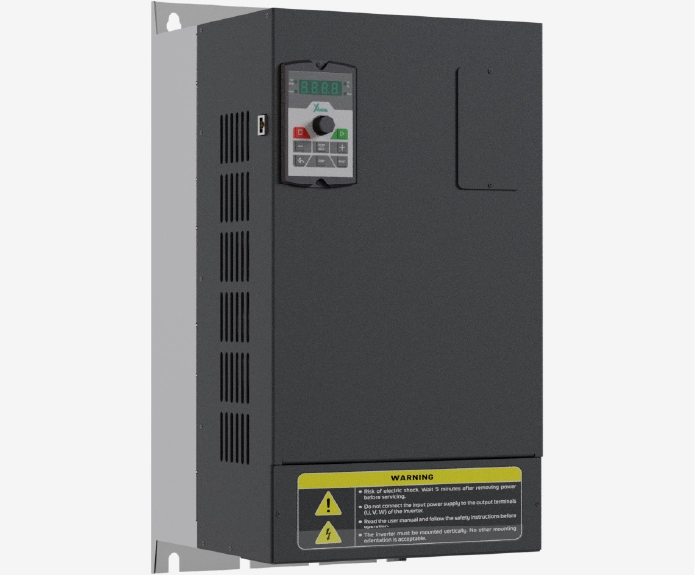
55 kW Three-Phase Solar Pump Series Inverter
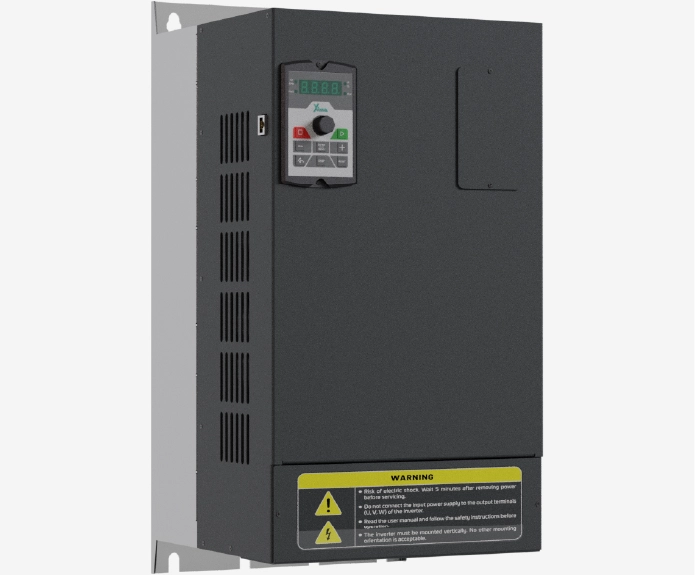
45 kW Three-Phase Solar Pump Series Inverter
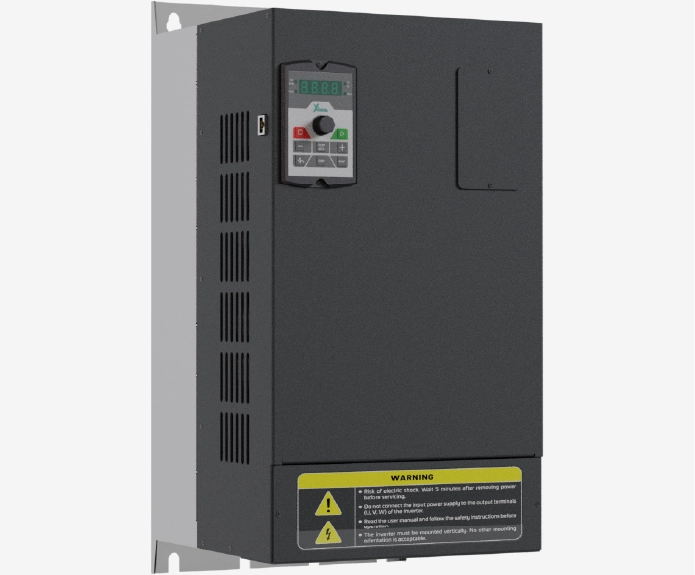
37 kW Three-Phase Solar Pump Series Inverter
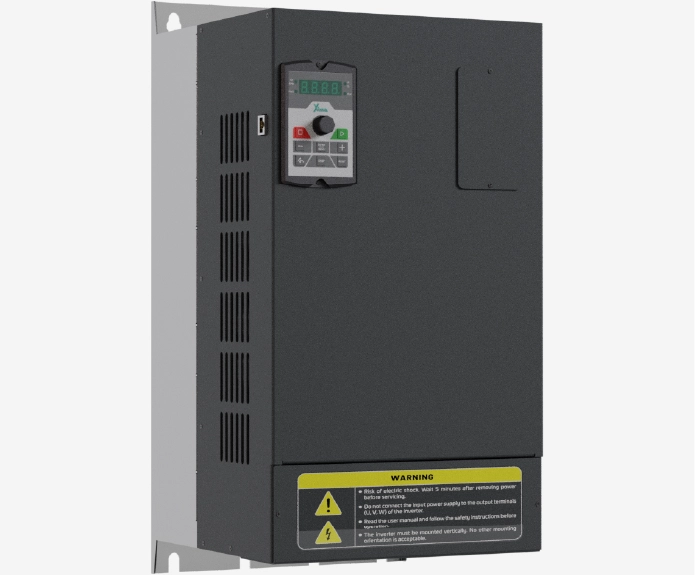
55 kW Three-Phase Industrial Series Inverter
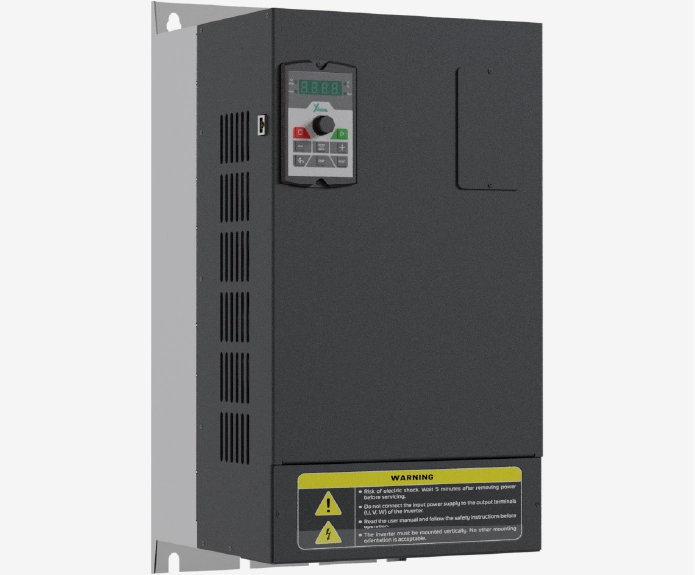
45 kW Three-Phase Industrial Series Inverter
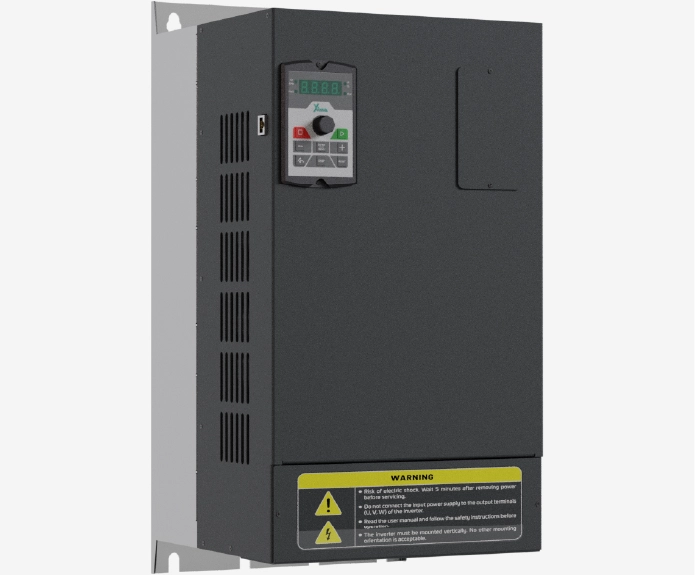
37 kW Three-Phase Industrial Series Inverter
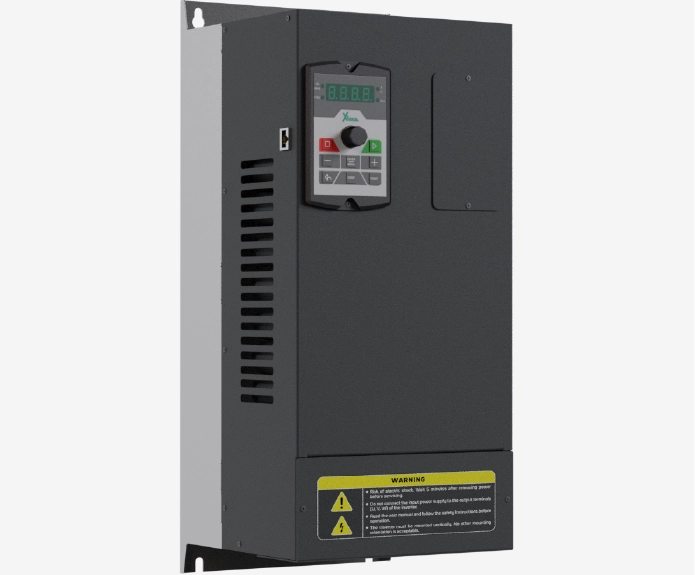
30 kW Three-Phase Solar Pump Series Inverter
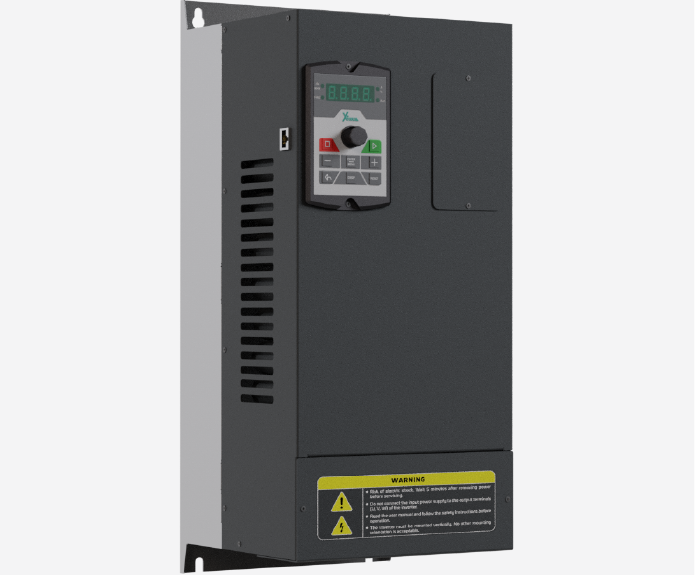
22 kW Three-Phase Solar Pump Series Inverter
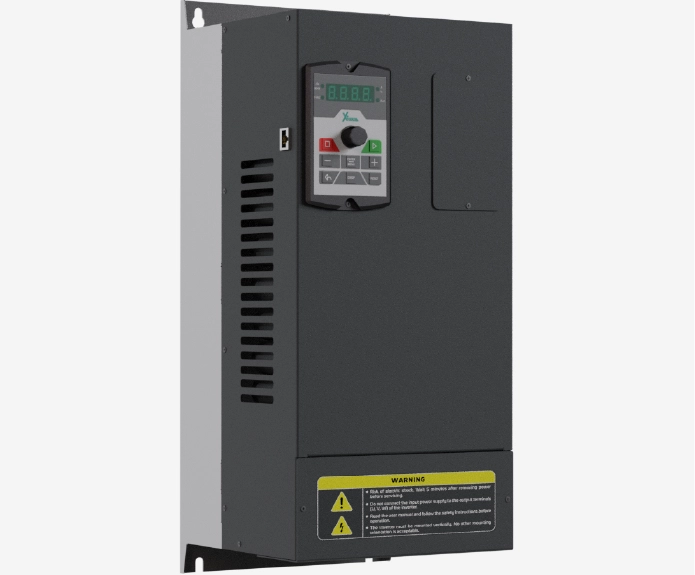
18.5 kW Three-Phase Solar Pump Series Inverter
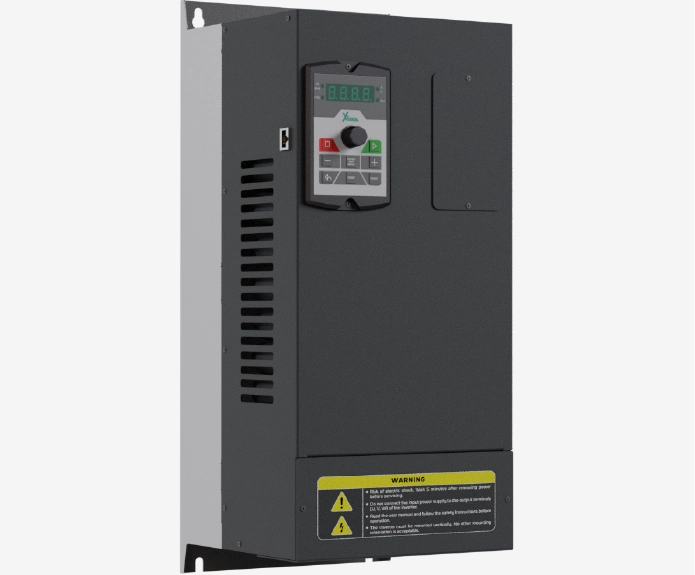
User Comments
Comments
2مرسی از مقاله خوبتون
خیلی اطلاعات مفیدی بود، ممنونم.